


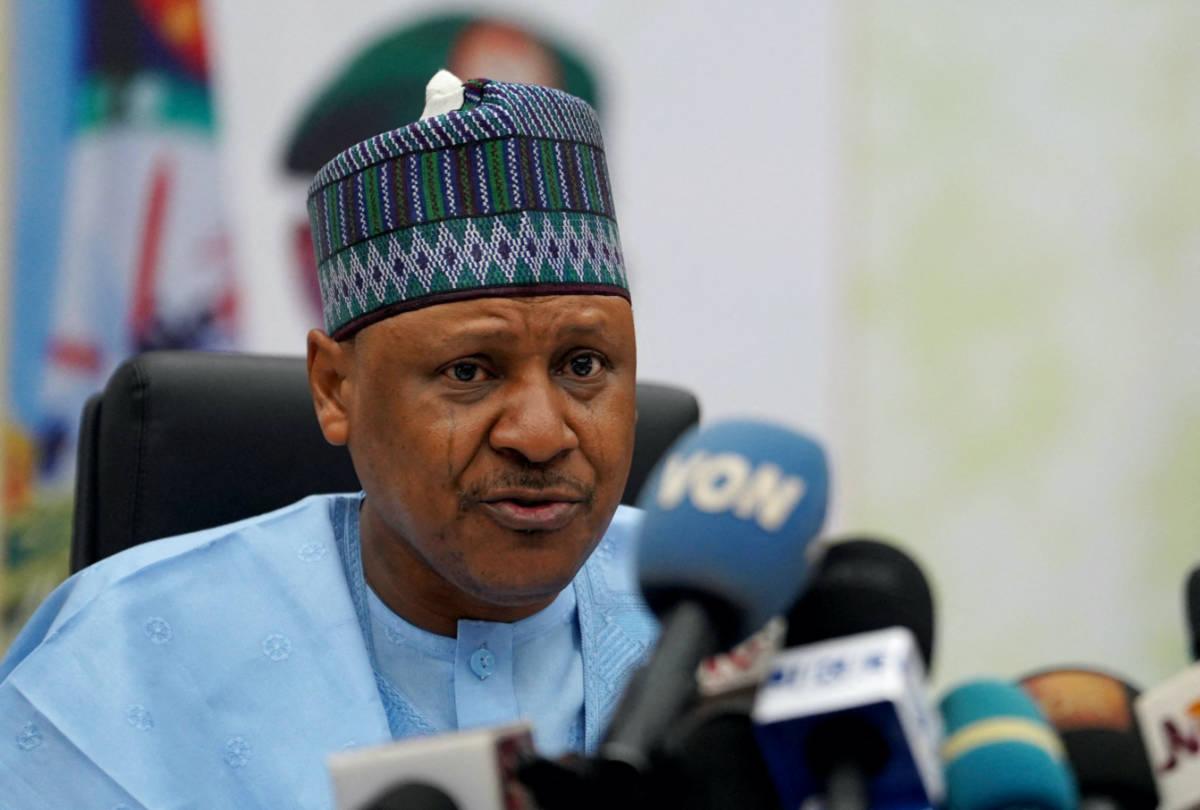
Nigeria’s Minister of Information and National Orientation, Mohammed Idris, has called for deeper collaboration among member countries of the Developing-8 (D-8) to strengthen media systems, combat misinformation and enhance regional cohesion.
Idris made the call while addressing ministers, media leaders and senior policymakers at the D-8 Media Forum in Baku, Azerbaijan.
Speaking on the theme “Fostering Dialogue, Collaboration, and Regional Cohesion”, he noted that cooperation among developing nations in the information and media space has become essential in a rapidly changing global communication landscape marked by digital disruption and rising information disorder.
Represented by the Executive Secretary of the Nigerian Press Council, Nze Dili Ezughah, Idris emphasised that with the D-8’s combined GDP exceeding $8 trillion and intra-group trade accounting for 10 per cent of global trade, media cooperation plays a critical role in shaping public understanding, promoting transparency and supporting development.
He highlighted several homegrown innovations and reforms undertaken by Nigeria over the past year, offering practical lessons for other developing countries. These include the establishment of the UNESCO-backed International Media and Information Literacy Institute (Category 2), the first in Africa, which aims to serve as a global hub for training, research, and digital safety, equipping journalists and citizens with tools to combat misinformation. Idris appealed to D-8 member states to partner with Nigeria in curriculum development, capacity-building and joint research.
He explained that Nigeria has made significant progress in digital identity and data governance, registering more than 100 million digital identities. He added that this strong digital infrastructure can help D-8 countries connect their media systems to verified identity databases, which would make it easier to prevent impersonation and reduce the spread of fake news.
Recognising the rising influence of creative industries on global diplomacy, Idris highlighted the rapid growth of Nigeria’s film, music, and digital storytelling sectors, noting that these industries, supported by policy reforms and innovation hubs, have strengthened Nigeria’s global image while providing jobs for millions of young people.
The minister explained how economic reforms such as subsidy rationalisation and foreign-exchange correction have improved the communication environment by enabling more accurate reporting and increasing public confidence in government information.
Idris outlined several proposals for strengthening cooperation within the D-8, including:
•Developing shared ethical frameworks for digital media.
•Launching joint media literacy programmes for youth, journalists, policymakers, and vulnerable groups.
•Conducting collaborative research on artificial intelligence in media, especially verification tools and digital safety protocols.
•Expanding cross-border media exchanges, fellowships and newsroom partnerships.
•Deepening cooperation in the creative and digital content industries across member states.
He reiterated Nigeria’s readiness to work with member states to deepen dialogue, strengthen public trust and enhance regional stability. Idris said that the D-8 is more than an economic bloc, describing it as a community of nations with shared aspirations and developmental realities.
He emphasised that cooperation in media and information is vital to building informed citizens, cohesive societies, and resilient economies.
The minister further reaffirmed Nigeria’s commitment to utilising homegrown solutions and innovative approaches to promote regional stability and development.