


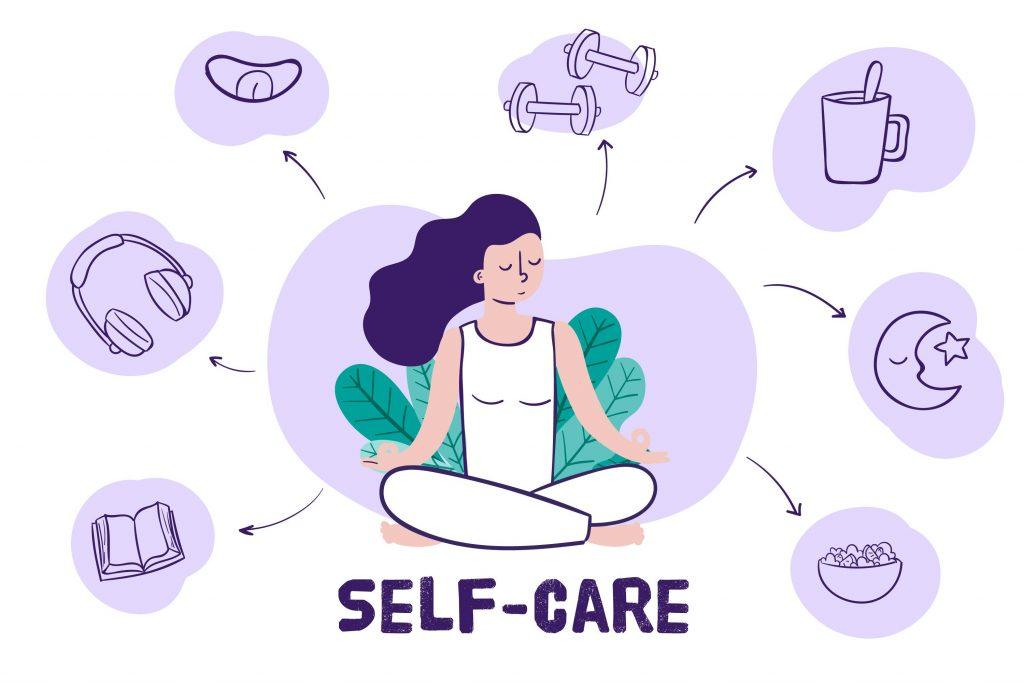
In a major effort to embed self-care within Nigeria’s healthcare system and enhance public health outcomes, the Nigerian government, in collaboration with international health organisations, has urged the media to spearhead national advocacy and public engagement on self-care practices.
The call was made during a virtual media workshop hosted by White Ribbon Alliance Nigeria (WRA Nigeria), with support from the Federal Ministry of Health and Social Welfare (FMOH&SW) and the Self-Care Trailblazer Group (SCTG).
Themed “Media as a Catalyst for Advancing Self-Care for Sexual, Reproductive, and Maternal Health (SRMH) in Nigeria,” the workshop brought together journalists, development partners, and government officials dedicated to promoting accessible, people-centred health strategies.
Self-Care: A Critical Public Health Priority
Dr Samuel Oyeniyi, Director of Reproductive Health at the FMOH&SW, highlighted that while self-care is not new to Nigerian society, it must be formally integrated into national health systems through policy, planning, and public communication.
“Self-care is something we’ve practiced informally for generations, from home remedies to personal hygiene, but we must move beyond tradition and embed self-care into national health systems with structured guidelines and support; the media plays a critical role in taking this message to all corners of the country,” he said.
He noted that Nigeria has developed strategies, policies, and guidelines to promote self-care in areas such as reproductive, maternal, adolescent, child, and elderly health, stressing that empowering individuals to take responsibility for their health is essential for achieving universal health coverage (UHC).
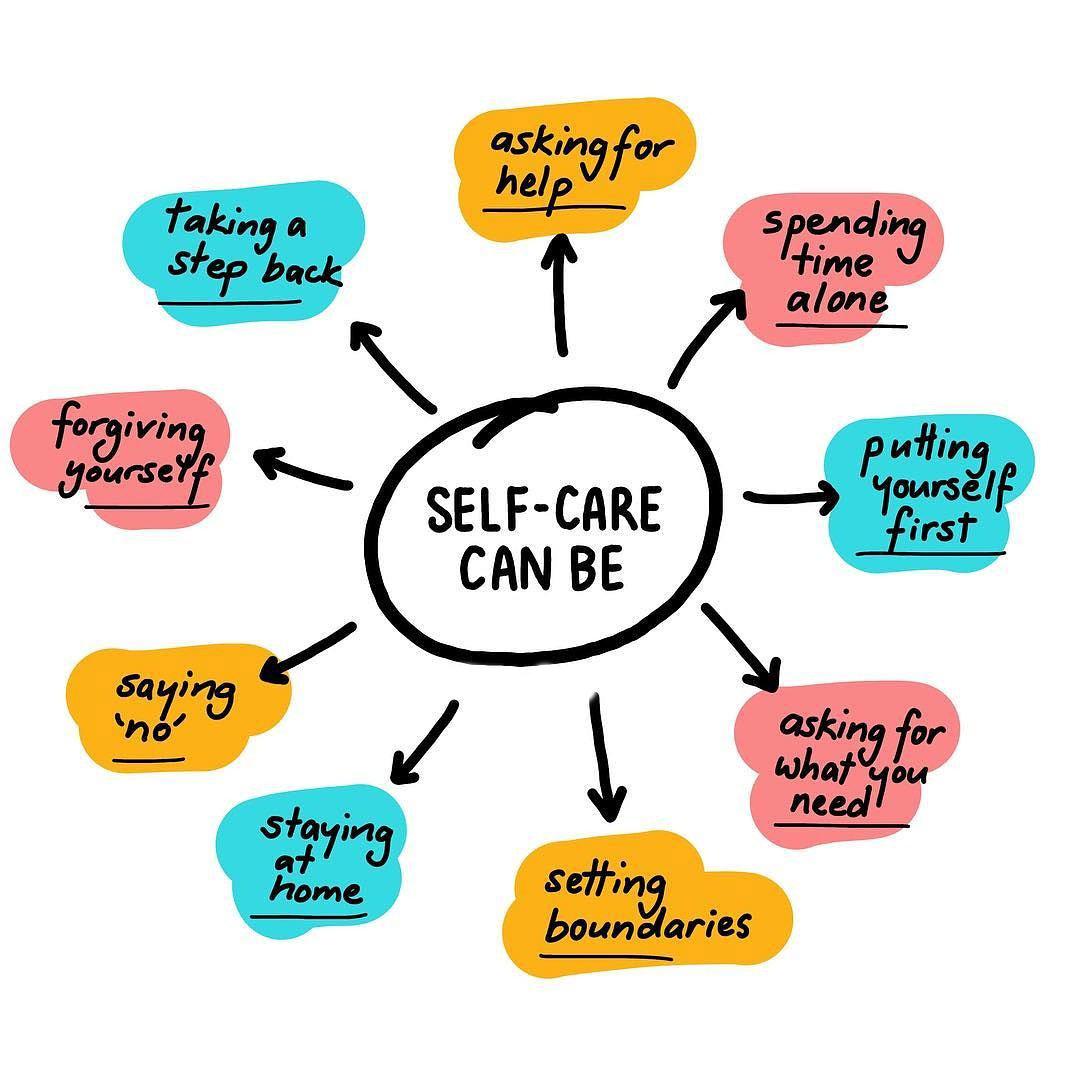
Media as Partners, Not Just Messengers
Dr Femi James, representing WHO Nigeria, described journalists as key stakeholders and influencers.
“You have platforms that reach millions; you can shape public perception, correct misinformation, and influence behavioural change. There’s no way we can drive this self-care agenda without your voice,” he said.
He highlighted that self-care reduces the strain on health facilities, particularly in underserved and remote communities, and strengthens resilience during crises, such as the COVID-19 pandemic, which exposed weaknesses in healthcare delivery.
Read Also: Nigeria’s Exclusive Breastfeeding Rates Remain Stagnant – UNICEF
Addressing Stigma and Misconceptions
Samsu Gombwer, Program Advisor at IPAS Nigeria, underscored the media’s role in breaking down barriers to self-care services, particularly in sexual and reproductive health.
“There’s still stigma and silence around issues like contraception, menstrual health, and abortion care. The media is a powerful tool for dismantling this stigma by sharing accurate information and for letting people know where and how to access services. IPAS is committed to walking this journey with you,” he said.
He urged journalists to present self-care as a fundamental human right, especially for women, girls, adolescents, and vulnerable groups.
A Global Movement, a Local Mission
George Kapiyo of the Self-Care Trailblazer Group (SCTG) framed the workshop as part of a global movement to centre people in health decision-making.
“This is not just another webinar or capacity-building session; this is the beginning of a long journey, one that we are proud to walk with White Ribbon Alliance Nigeria and the Nigerian media,” he said.
He noted that media advocacy is one of the most effective tools for raising public awareness of self-care and holding policymakers accountable, citing SCTG’s global efforts.
The workshop equipped journalists with evidence-based resources, tools, and case studies to report accurately and ethically on self-care initiatives.
Journalists were encouraged to highlight community-driven self-care stories, clarify misconceptions, promote behavioural change through inclusive messaging, and engage policymakers through constructive journalism.
Participants pledged to integrate self-care themes into their reporting, collaborate across media platforms, and amplify marginalised voices who would benefit most from improved self-care access.
With Nigeria’s health system still recovering from the challenges of COVID-19, the Nigerian government and its partners stressed that self-care must be embedded in the national health framework as a complementary, sustainable solution to achieve health equity.
“Let this be the beginning of sustained collaboration between the media and health stakeholders,” Dr Oyeniyi said.
“Together, we can make self-care not just a strategy, but a culture.”