

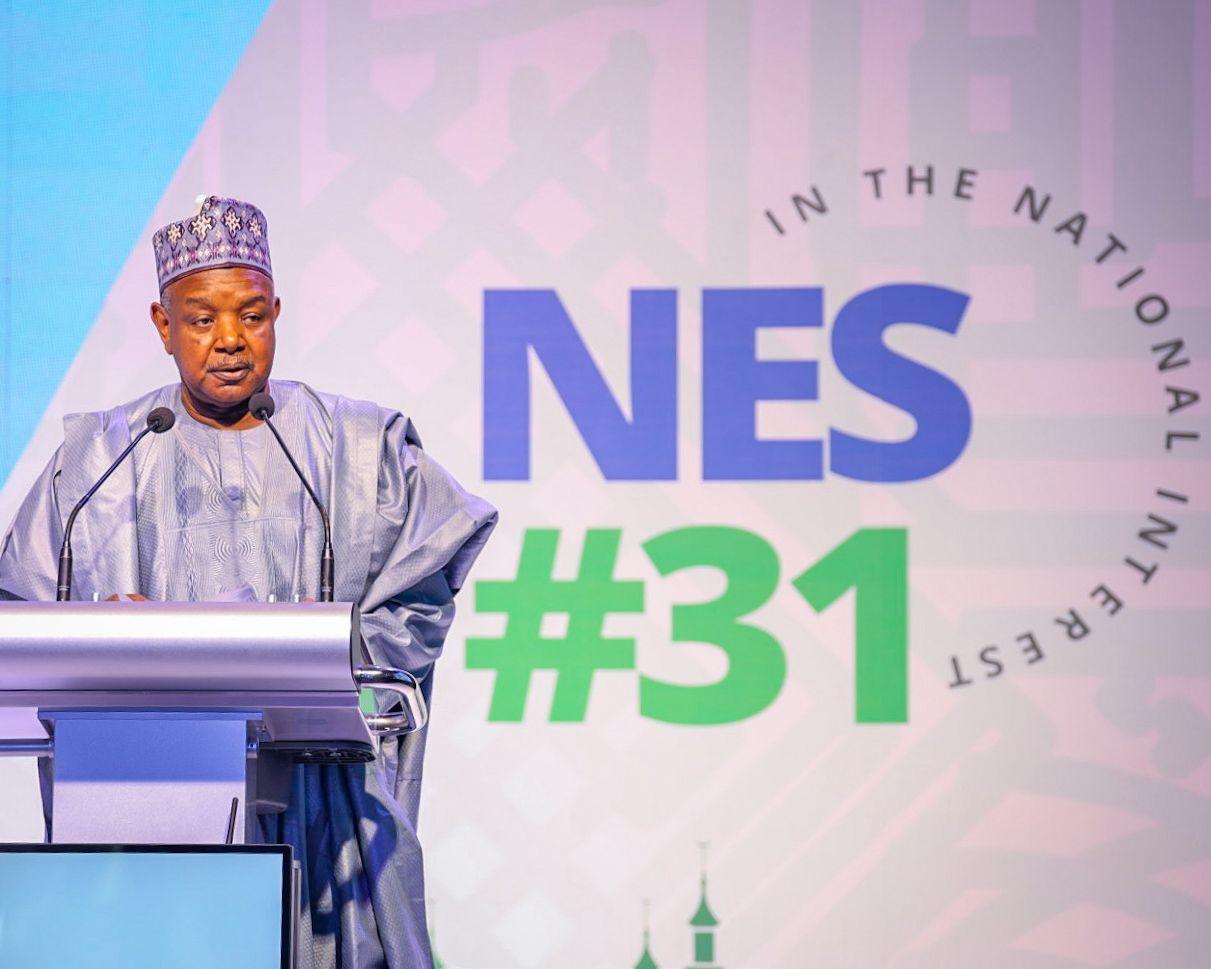
The Nigerian government has expressed it’s unwavering commitment to fostering sustainable inclusive economic growth, enhancing macroeconomic predictability, and improving the welfare of citizens.
The Minister of Budget and National Planning, Senator Abubakar Bagudu gave the assurance at the 31st Nigerian Economic Summit in Abuja, themed : The Reform Imperative: Building A Prosperous And Inclusive Nigeria By 2030.
Senator Bagudu said the economic reforms and policy initiatives being implemented by government are designed to address structural weaknesses, enhance productivity, and position Nigeria for long-term prosperity.
He added that “the result of last two years have given us confidence. While we recognize the short-term hardships on our people, we are confident that our policies will yield tangible benefits over time.
The stabilization of the exchange rate, declining inflationary pressures, and improvements in fiscal management are already setting the stage”.
The Minister speaking on the role of private sector in economic development said the Government and Private sector are partners, adding that the private sector now drives the economy and has become an engine of growth.
“This was acknowledged in various Development Plans and Policies of government in recent times.
The National Development Plan, 2021-2025 made the private sector the key driver of the economy by allocating an investment size of 86% of the total plan size to the private sector.”
Senator Bagudu highlighted the efforts of the current administration, stressing that it has implemented bold and courageous reforms aimed at stabilizing the economy, enhancing the fiscal space, and addressing insecurity, as captured in the Renewed Hope Agenda and the 8 – Priority Areas of government.
“These measures were crucial to averting a fiscal crisis and laying the foundation for long-term economic growth and development.
However, we recognize that these reforms came with short-term challenges for households and businesses. ”
He said government is determined to ensure that the challenges are confronted and addressed.
He said the current administration recognizes the need for stable policies, consistent regulations, and an improved business environment to boost investor confidence and reduce uncertainty.
“The government is actively working to streamline regulatory frameworks, eliminate bureaucratic bottlenecks, and create a more predictable and enabling environment for investment.
The government’s policy responses and economic interventions in fiscal sector as enunciated in the Four Tax Reforms Acts are strategically aimed at strengthening revenue mobilization for sustainable economic growth and development.
We have been prioritizing monetary and fiscal policy coordination to stabilize the macroeconomic parameters.
Our revenue diversification strategy includes boosting non-oil revenue, supporting the manufacturing sector, and driving digital transformation.
Public infrastructure and investment initiatives are underway in transport, power, and the digital economy to enhance economic productivity.
Furthermore, we are implementing targeted programs to support vulnerable populations, improve education and healthcare, and develop essential skills.
Enhancing agricultural growth and productivity remain essential to generation of sustainable inclusive growth.
This objective is being supported by the institutional realignment that include the creation and funding of the livestock ministry, funding of the National Agricultural Development Fund, recognizing Fisheries as part of the Blue and Maritime potential as well as recapitalizing of the Bank of Agriculture.”
The Summit is an annual event organised by the Federal Ministry of Budget and Economic Planning working in partnership with the Nigerian Economic Summit Group (NESG).
Victoria Ibanga