

Nigeria’s National Emergency Management Agency (NEMA) and the World Bank have launched a joint pilot programme in Kano State, Northwest Nigeria, aimed at reducing the impact of flooding and other environmental hazards.
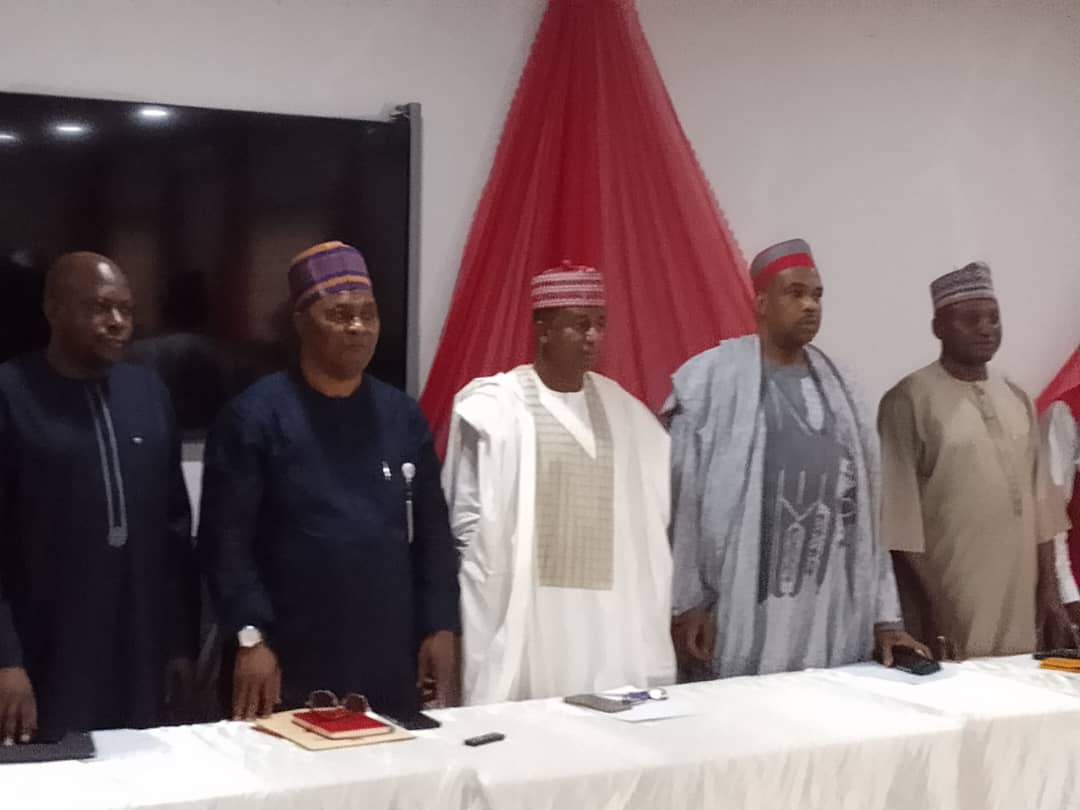
At a two-day stakeholder workshop in Kano, Director-General of NEMA, Mrs Zubaida Umar, represented by the Director of Planning, Research, and Forecasting, Onimode Bandele, said the programme includes evacuation readiness, infrastructure risk assessments, and collaboration with state ministries.
Also, the World Bank Senior Disaster Risk Management Specialist, Mr Francis Nkoka, emphasised that proactive measures can significantly cut disaster-related losses.
“The goal is to strengthen emergency coordination, refine disaster management mechanisms, and integrate preparedness into Kano’s broader development agenda.”
He added that the World Bank’s partnership with NEMA reflects a growing international focus on climate adaptation and resilience, especially in regions facing recurrent floods and rapid urbanisation.
According to Nkoka, “aligning disaster risk reduction with economic planning is critical for safeguarding both people and local economies.”
Kano State Governor, Abba Kabir Yusuf, represented by Commissioner for Humanitarian Affairs, Adamu Aliyu Kibiya, reaffirmed the state’s commitment to sustainable infrastructure and safety measures, citing ongoing road construction, drainage expansion, and the provision of life-saving equipment.
The workshop drew broad participation from NEMA, the Kano State Emergency Management Agency (SEMA), and other partners, underscoring the need for collaborative frameworks to address disaster risks.
The initiative, part of the Emergency Preparedness and Response (EP&R) programme, seeks to advance early warning systems, enhance community preparedness, and improve inter-agency coordination.
Kano is one of seven Nigerian states selected by the World Bank due to its heightened vulnerability to seasonal flooding.
The project forms part of the World Bank’s wider engagement in Africa, where climate-related disasters have strained public resources and threatened livelihoods.
By piloting new models in Nigeria, development partners hope to build scalable solutions that can be replicated across the continent.