

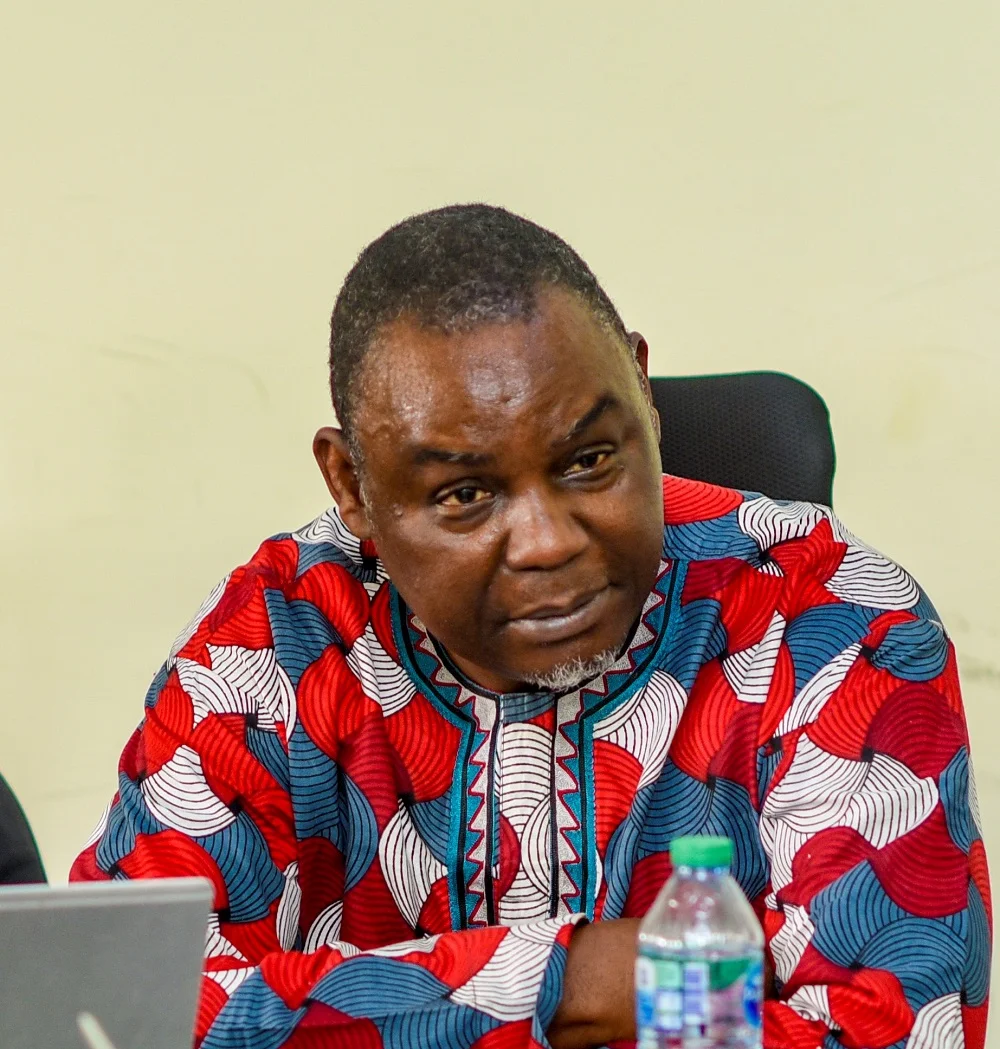
The National Coordinator of the Civil Society in Malaria Control, Immunisation and Nutrition (ACOMIN), Mr. Ayo Ipinmoye, has revealed that civil society organisations (CSOs) have successfully mobilised more than ₦5 billion in local resources to strengthen healthcare delivery across communities in Nigeria.
Mr. Ipinmoye disclosed during his presentation at the ongoing National Health Financing Dialogue, where he emphasised the significant role of community system approaches in enhancing domestic resource mobilisation for health.
Mr. Ipinmoye explained that CSOs, working through community-led monitoring models, have been able to draw support from the local private sector to address gaps in HIV, tuberculosis, and malaria interventions.
He noted that partnerships with companies such as Ashaka Cement have led to the rehabilitation and construction of health facilities and the provision of water, roofing, beds, and other essentials in underserved areas.
He emphasised that greater efficiency and accountability are critical for health financing in Nigeria.
READ MORE: NEMA, Stakeholders Validate National Disaster Risk Reduction Plan
According to him, misuse of commodities such as mosquito nets, malaria medicines, and vitamin supplements often undermines donor and government investments.
“By ensuring community ownership and accountability, CSOs have been able to reduce wastage and improve outcomes.
He stressed that mobilising volunteers for data entry, security, and basic support functions has enabled overstretched health workers to focus on providing quality care.
He also highlighted the role of evidence-based advocacy and the local media in driving accountability at the state and local government levels.
“We found that decision-makers respond faster to stories aired on community radio and local newspapers than to national coverage, because those are their constituencies,” he added.
Calling for sustainability, Mr. Ipinmoye urged the Nigerian government to adopt and fund community-led monitoring beyond donor support.
He stressed that for domestic resource mobilisation to be effective, local ownership and partnerships between communities, civil society, and the private sector must remain at the heart of health financing reforms.