

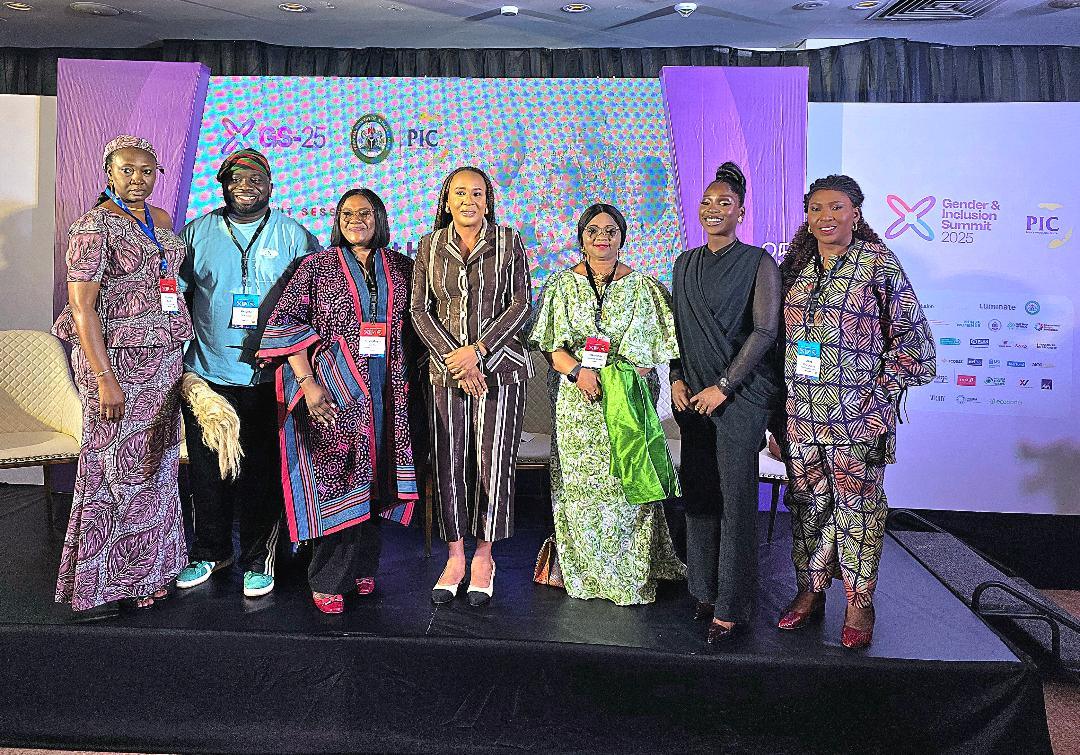
The Nigerian Government is finalising a holistic, comprehensive National Family Policy to strengthen cohesion, equity and justice in homes across the country.
Speaking at the GS-25 Plenary Session on “Equity Begins at Home: Families as the Foundation for a Just and Resilient Society,” Special Assistant, Technical, Women Affairs and Community Engagement to the Minister of Women Affairs and Social Development, Jummai Idonije, disclosed that the policy was now a priority.
“…under the Renewed Hope agenda of President Bola Ahmed Tinubu, GCFR… We have moved the ministry to that area. Right now, we are in the process of finalising the family policy. This arises from the fact that the mandate of the ministry has now been extended. It was there, but it was silent,” she said.
She added that the scope has widened to cover vulnerable groups nationwide:
“… it is supposed to be a ministry of women’s affairs and social development, and so right now we’re looking at the issues of the women, the children, the family and the vulnerable. To do all of these, we’re putting in place a lot of SOPs, the standard operating procedures.”
On implementation reach, she explained:
“…Under the Renewed Hope Social Intervention Project 774, it’s going all around 774 local governments under our dynamic Honourable Minister of Women Affairs, who has all of this under her control.”
On GBV eradication progress, she said:
“Where we were, five years ago, is not where we are today. Society is changing, but we must not let anyone violate our sisters or brothers. Equity must start from the family.”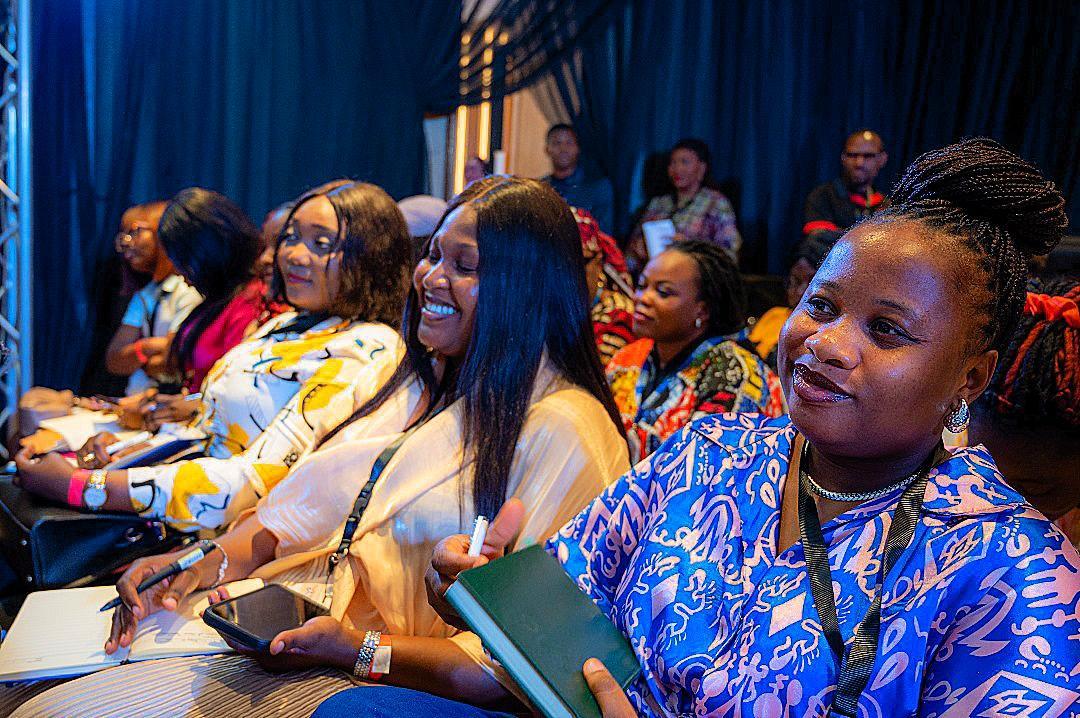
Home, the First School
In her submissions, Chioma Momah, Head of Policy and Public Affairs at Guinness Nigeria, said families must instil fairness and resilience from the cradle.
“The home is the first school of policy, governance and values. While we wait for government policies, we must model fairness and inclusion at home. Teach both boys and girls resilience, empathy and courage; they will carry these into public life. Everyone we see that’s doing the wrong thing as an adult, it started from the home.”
Also, Community and Social Media influencer, Kelechi Anyikude, drawing from his UK and Nigerian experiences, stressed the importance of role modelling:
“There are no really gender specific roles, to be honest. Train children to see balance as normal. Train them to be able to challenge barriers as well, and break barriers if they can. Just equip them with that mindset… Train them to be polite, to be respectful, to go for their goals, not that you should restrict them.”
“Equity starts from you, even before you have a family. Equity starts from you not saying, I must have a male child…. Everybody’s important. Every child is important,” he added.
Meanwhile, Family Psychologist, Oluwatoyin Ogunkanmi, urged parents to treat each child as unique, encourage open conversations, affirm strengths, assign roles by ability, not gender, create discipline structures, and honour everyone, noting that children raised without equity at home will reflect bias in society.
“What you model, what you teach your children, is what they go out there to do,” Ogunkanmi said.
Also speaking, social Media influencer and Actor, Tomike Adeoye, urged participants to recognise the power of their influence:
“From someone who has millions of followers on social media platforms, I know that your voice is powerful. And I don’t want you to wait until you have millions of followers on social media before you use your voice… No voice is too small. If we are to make a difference, it starts from home. So I want you to know that your voice is very powerful and is very important.”
Discriminatory Norms
Stakeholders also voiced strong concerns about culture, inheritance, and faith practices that disempower women. They recognised families as the bedrock of justice and equity in society, advocating for policies and cultural shifts that leave no member behind.
Glory Uzomaka said:
“There has to be balance. We have to find a faith balance, where the leaders of faith preach to the men and the women, without bias…”
Pastor Deborah Alegbemi called for capacity building: “Faith communities must nurture equity, because justice at home reflects God’s design for society.”
Sweet Okundaye decried discriminatory inheritance cultures in some parts of the country.
Also, Ismaila Abdullahi urged an end to the culture of silence in abusive marriages:
“ I think women need to speak up honestly, let her express whatever she’s going through, and then give her the needed support…”
Sarah Obiora called on traditional leaders in the FCT to include women in leadership roles to strengthen traditional justice systems.