

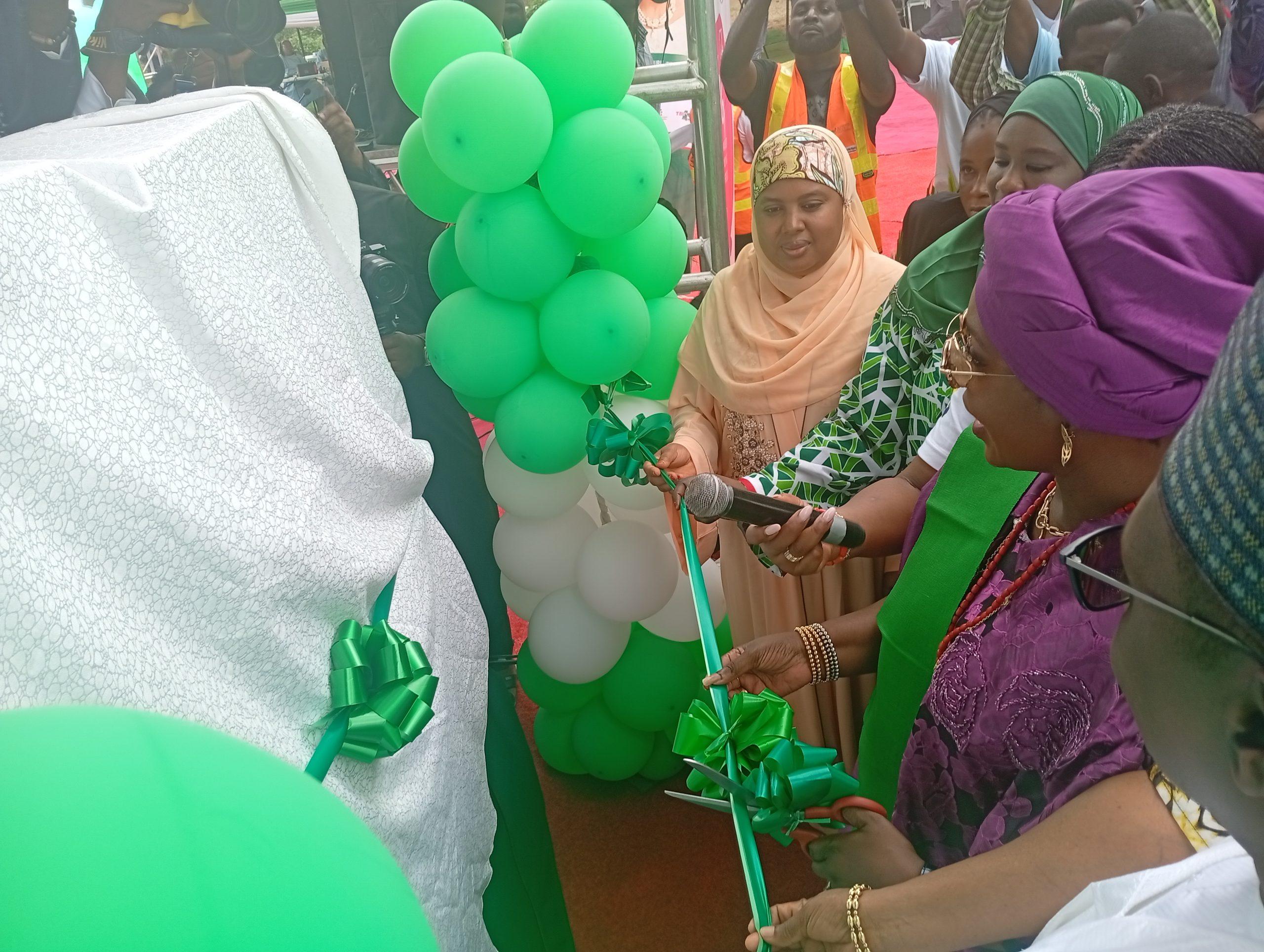
In a major step towards eliminating tuberculosis (TB) in Nigeria by 2030, the Nigerian government has commissioned new molecular diagnostic machines aimed at enhancing early detection and treatment, particularly in underserved areas.
The initiative, which falls under the First Lady’s Renewed Hope Initiative, seeks to bridge existing gaps in access to TB diagnosis and care.
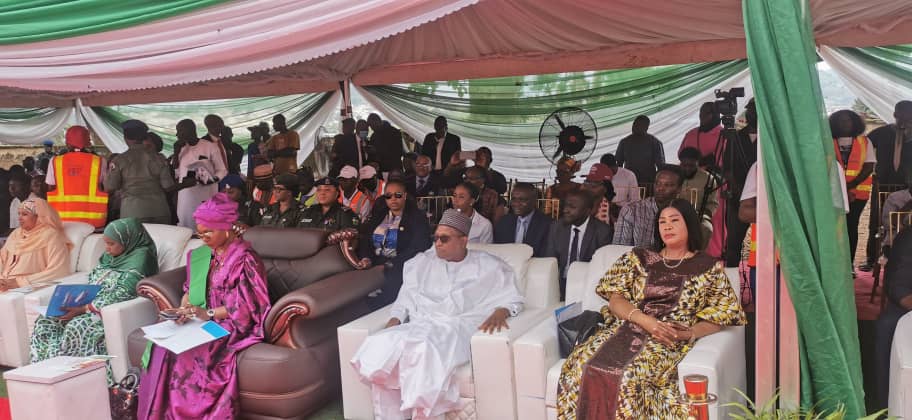
The commissioning ceremony took place at the Dutse Primary Health Centre in Abuja, with the First Lady, Senator Oluremi Tinubu, represented by the First Lady of Kwara State, Ambassador Professor Olufolake Abdulrazaq.
Professor Abdulrazaq, who also serves as the Stop TB Champion for Kwara State and Coordinator of the Renewed Hope Initiative in the North Central region, reiterated the administration’s commitment to eradicating TB.
“Earlier this year, during the World TB Day outreach, a pledge of ₦1 billion was made through the Renewed Hope Initiative,” she said.
“I am pleased to see this pledge materialise.”
Professor Abdulrazaq lamented the continued loss of lives to TB—despite it being curable—largely due to limited access to diagnostic equipment.
“These machines will facilitate rapid and accurate TB detection, helping to break the chain of transmission,” she added.
She also commended the leadership of the Coordinating Minister of Health and Social Welfare, Professor Muhammad Ali Pate, for his dedication to strengthening Nigeria’s health system, and called on stakeholders to ramp up domestic resource mobilisation for TB response.
Acknowledging the efforts of the Stop TB Partnership Nigeria and the National Tuberculosis and Leprosy Control Programme, she said: “Together, we will build a Nigeria where no life is lost to TB, and where health is a right, not a privilege.”
In his remarks, Professor Muhammad Ali Pate reaffirmed the Federal Government’s resolve to end TB by 2030, stating that “this is a promise made and a promise kept.”
Read Also: 100-Bed Mother and Child Hospital Commissioned in Akwa
He disclosed that the First Lady had donated ₦1 billion in 2024 and another ₦1 billion in 2025 to support the cause, describing the latest commissioning as proof of her unwavering dedication.
“She is not just our national TB champion—she is Africa’s regional champion and a global advocate,” he said.
“Her efforts are bringing meaningful relief to many.”
Professor Pate highlighted that the Ministry of Health is complementing these efforts by integrating TB care into primary healthcare, ensuring access to drugs, diagnostics, and trained personnel.
“President Tinubu is revolutionising healthcare,” he added.
“Over 36 million visits were made to primary healthcare centres in the first quarter of 2025 alone. Antenatal care is expanding, telehealth is being launched, and diagnostic capabilities are being upgraded.”
He thanked the FCT administration and development partners for their continued support, adding, “Together, we are laying the foundation for a healthier Nigeria.”
Earlier in her welcome address, Acting Chair of the Stop TB Partnership Nigeria, Dr Queen Ogbuji-Ladipo, said the machines, including GeneXpert technology, were procured using a ₦1 billion donation from the First Lady during the 2025 World TB Day outreach.
“These machines deliver accurate results in under two hours and are capable of detecting drug-resistant strains. This means patients can begin treatment sooner, which will help reduce transmission and save lives,” she said.
Dr Ogbuji-Ladipo stressed the importance of increasing domestic funding, particularly in light of declining donor support, urging communities and leaders to unite behind the campaign: “Yes, we can end TB. We fit do am!”
The Mandate Secretary for Health and Environmental Services in the Federal Capital Territory, Dr Adedolapo Fasawe, also expressed appreciation for the First Lady’s contributions, noting that her commitment was genuine and non-partisan.
“This is not just another talk show,” she stated.
“Just like Nigeria defeated polio, we can defeat TB—through the collective efforts of healthcare workers, traditional rulers, religious leaders, communities, and the media. TB treatment is free; no one should die from it.”
Dr Fasawe also underscored the importance of early detection and public education, noting that TB can affect parts of the body other than the lungs and may not always present with a cough.
She likened the importance of behaviour change around TB to Nigerians’ eventual adoption of seatbelt use, driven by persistent advocacy and enforcement.