

The Nigerian Government has commenced the implementation of a 40 per cent increase in the Consolidated Academic Allowance (CAA) for lecturers in federal universities across the country.
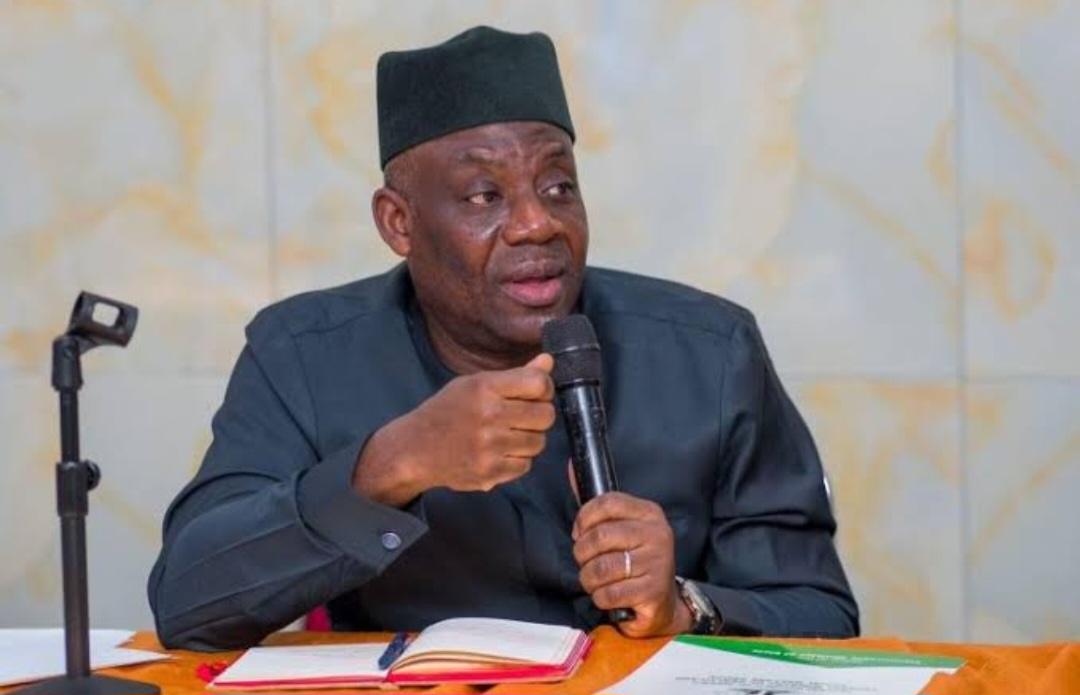
This was disclosed in a statement issued by the Minister of Education, Dr. Tunji Alausa.
According to the minister, the development follows the signing of a revised agreement between the Federal Government and the Academic Staff Union of Universities (ASUU) on January 14, 2026, aimed at addressing long-standing welfare concerns and curbing recurring industrial actions in public universities.
Dr. Alausa confirmed that the Federal Government has fully met its obligation under the agreement, with the allowance increase taking effect from January 1, 2026.
“The Federal Government has fulfilled its obligation under the agreement by approving the 40 per cent Consolidated Academic Allowance (CAA) increase for ASUU members, with effect from January 1, 2026,” he said.
He noted that some federal universities have already reflected the increment in their salary payments, while others are in the process of doing so.
The minister said that formal notifications are being issued to all federal universities to ensure the uniform integration of the increase into their payroll systems nationwide.
Dr. Alausa further directed vice-chancellors to ensure strict compliance with the approved framework for the Consolidated Academic Tools Allowance and emphasized the need for prudent financial management to guarantee the smooth and successful rollout of the policy.
According to him, the payment has been duly captured and circularised by the National Salaries, Incomes and Wages Commission (NSIWC) and incorporated into the 2026 national budget in line with statutory requirements.
The revised ASUU agreement comes after years of strained relations between the union and the Federal Government, marked by frequent nationwide strikes over poor welfare provisions, funding shortfalls, and policy disagreements in public universities.
Despite several agreements aimed at resolving these issues covering improved funding, better working conditions for lecturers, and the creation of a more conducive academic environment—industrial actions have remained a recurring challenge.
ASUU embarked on an indefinite strike in 2010 that lasted over five months due to the government’s failure to implement the 2009 agreement.
This was followed by a 59-day strike in 2011 over similar concerns.
The longest strike occurred in 2013, lasting about five and a half months, triggered by non-payment of earned allowances and inadequate funding for university revitalisation.
In 2014, the union declared a one-week warning strike to protest the continued neglect of the 2009 agreement and a 2013 Memorandum of Understanding.
Further strikes took place in 2017, 2018, and 2020, each lasting several weeks or months, over issues such as poor funding, the introduction of the Integrated Payroll and Personnel Information System (IPPIS), and the establishment of new universities without adequate resources.
The most recent major strike began in February 2022 and lasted over five months.
In October 2025, ASUU also embarked on a two-week warning strike, which was later suspended after negotiations with the Federal Government.
The implementation of the 40 per cent CAA increase is seen as a significant step toward rebuilding trust between the government and university lecturers and stabilising Nigeria’s public university system.