

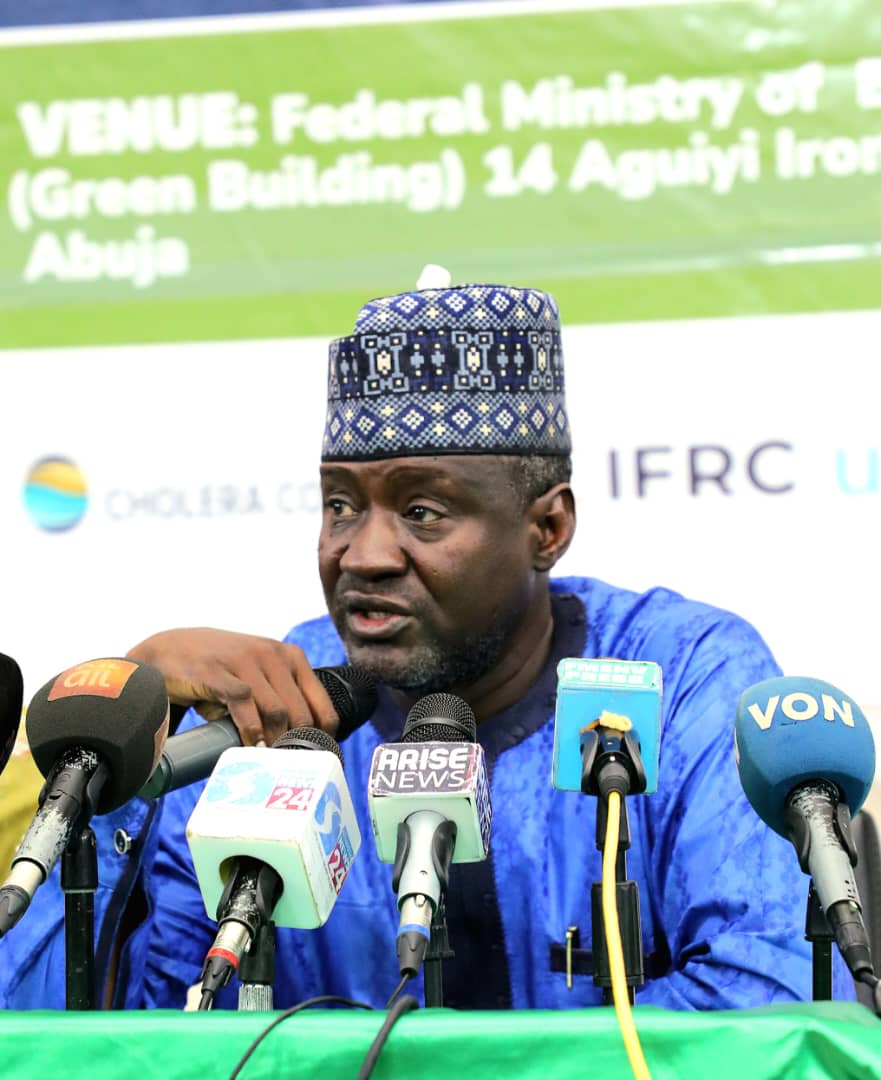
The Nigerian government has renewed its collective commitment to ensuring that every citizen both in rural and urban areas has access to safe, clean, and sustainable toilet facilities.
The government said that, working together, Nigerians can build a nation where open defecation becomes a thing of the past and where every community enjoys the benefits of improved sanitation, good health, and environmental sustainability.
This commitment was reiterated by the Minister of Environment, Mr. Balarabe Lawal, during the commemoration of the 2025 World Toilet Day in Abuja, with the theme: “Sanitation in a Changing World”, and the tagline, “We’ll Always Need a Toilet.”
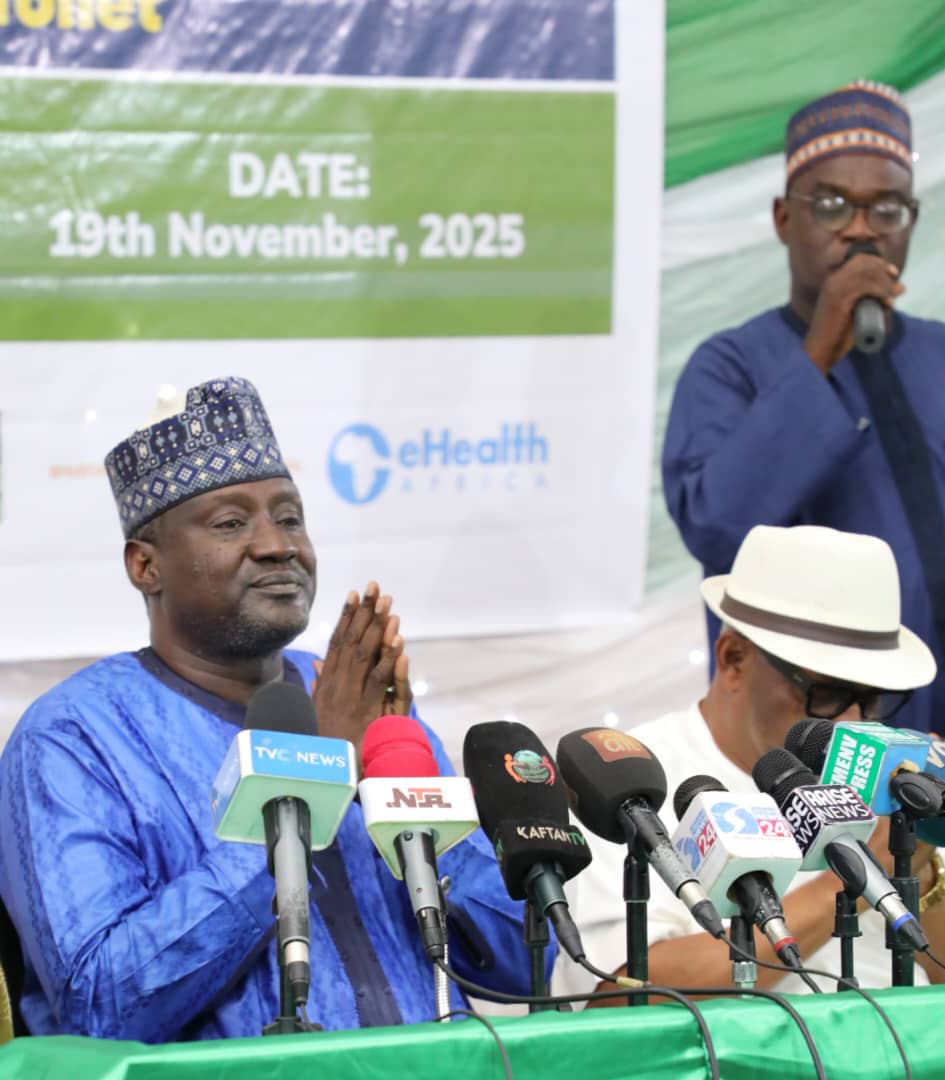
Represented by the Permanent Secretary in the Ministry Mahmud Kambari, the Minister underscored the critical need for resilient sanitation systems as Nigeria’s population grows and climate change intensifies.
He emphasised that “access to safe and clean toilets remains a fundamental human right essential for protecting health, preserving dignity, and safeguarding the environment.”
“Despite global progress, 4.5 billion people still lack safely managed sanitation while 892 million practice open defecation, posing serious public health challenges,” the Minister stated.
Highlighting ongoing national efforts, the Ministry pointed to several key interventions, including: “The Clean and Green Programme, promoting access to safe and adequate toilets in public places;
Construction and rehabilitation of toilets in strategic locations across the country,
Community-based interventions aimed at eliminating open defecation, capacity building for Environmental Health Officers and Sanitation Desk Officers across the 36 States and FCT; National WASH policy is being develop by National stakeholders to address sanitation holistically.,” he said
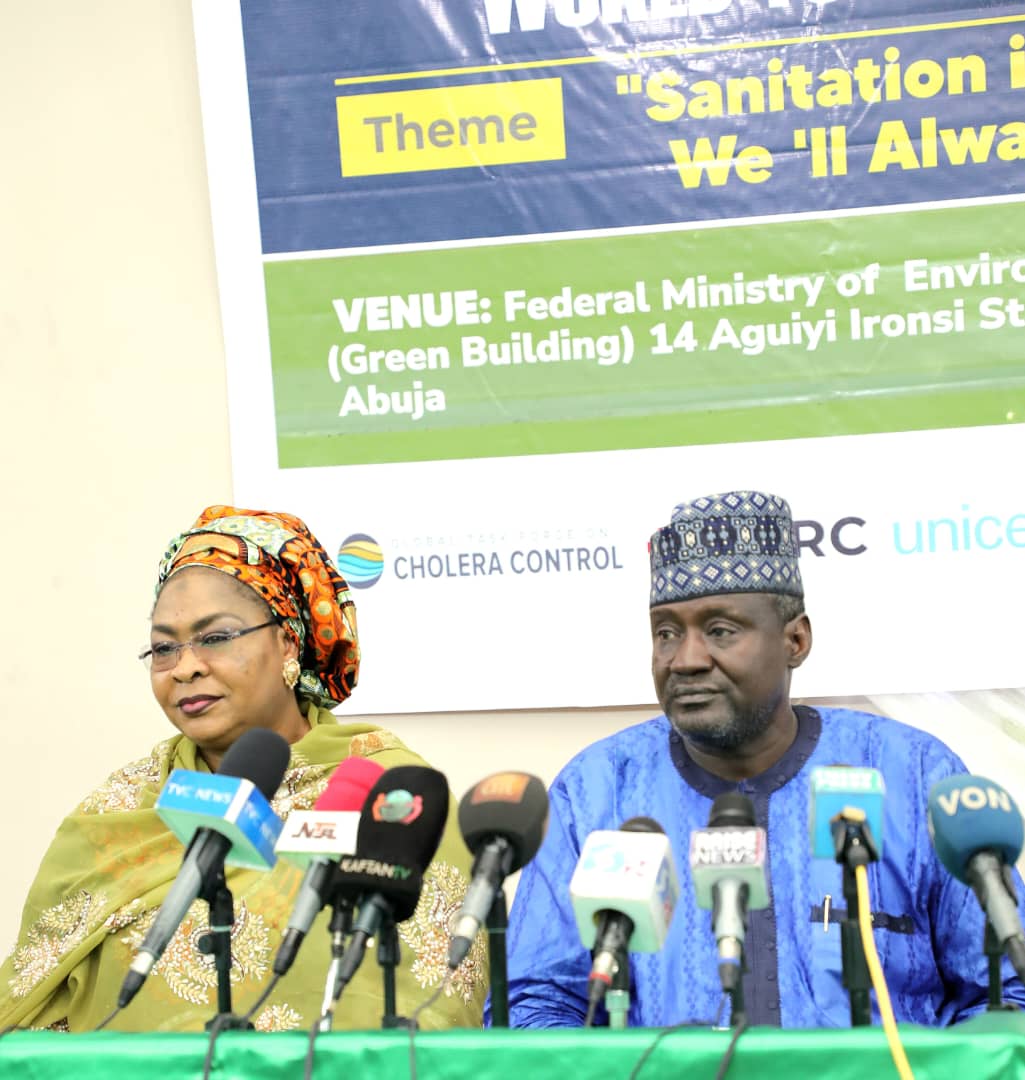
The Minister stressed that the Nigerian Government remains committed to tackling sanitation challenges and achieving an Open Defecation-Free (ODF) Nigeria by 2030.
“This commitment is further demonstrated through the Presidential Declaration of a State of Emergency on Water, Sanitation, and Hygiene (WASH) and the signing of Executive Order No. 009 (2019) titled “The Open Defecation Free Nigeria by 2025 and Other Related Matters”, which is currently under review.” he said
Lawal also urged State and Local Governments to prioritize sanitation in their development plans and to enforce existing sanitation laws, regulations, and standards.
According to the Minister, “toilet is not just a convenience, it is a lifeline for health, safety, and dignity. Access to toilets means access to a cleaner environment, better health outcomes, and sustainable development.”
The Senior Programme Manager of the Water Programme, Centre for Science and Environment (CSE) India, Mrs. Susmita Sengupta, reaffirmed the organisation’s readiness to support Nigeria in developing technical guidelines that will strengthen sustainable sanitation practices.
She also underscored the importance of developing strong communication materials for advocacy, noting that communities must understand the link between sanitation, health, and women’s dignity.
“Whenever resources such as water, land, and funding are available, communities should be supported to identify and adopt suitable sanitation options at the local level,” she explained.
The Secretary General of the Nigerian Red Cross Society (NRCS), Dr. Abubakar Kende, stressed the need for urgent action to expand access to safely managed sanitation, especially in the face of challenges such as aging infrastructure, rising demand, climate change, and growing inequality.
He noted that the Global Taskforce for Cholera Control (GTFCC) Country Support Platform—hosted within the International Federation of Red Cross and Red Crescent Societies (IFRC)—has been working with the Ministry of Environment and other agencies to develop and launch the National Strategic Plan of Action on Cholera Control (NSPACC), which places strong emphasis on sanitation and hygiene as key pillars in preventing disease outbreaks.”
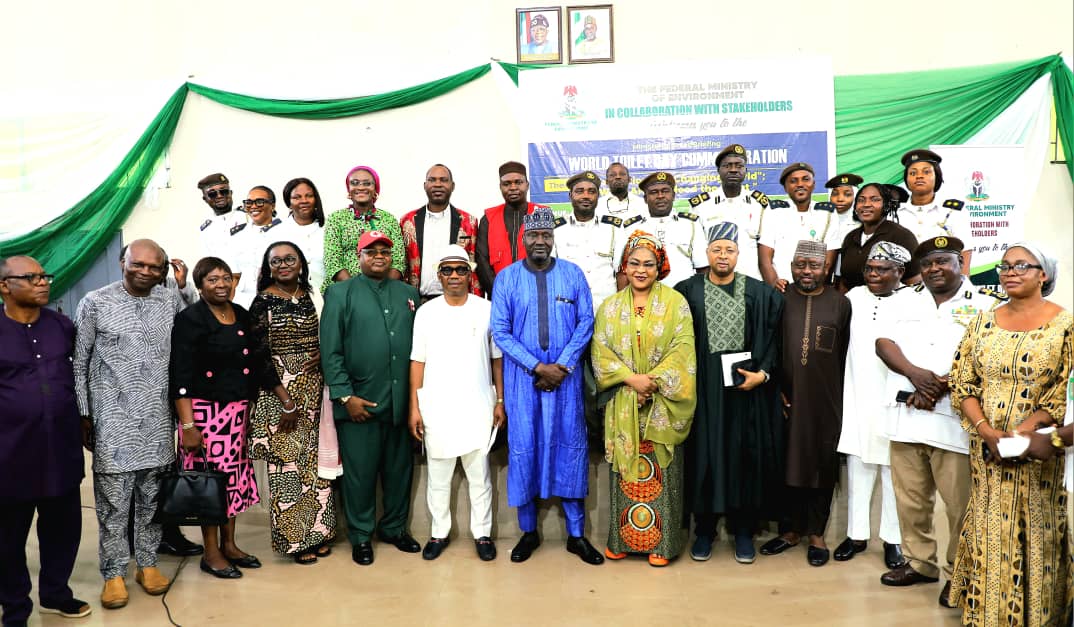
The Registrar of the Environmental Health Council of Nigeria (EHCON), Dr. Yakubu Baba, called for urgent action toward achieving a cleaner and more dignified environment for all Nigerians.
He reaffirmed the Council’s commitment to promoting safer and cleaner environments and warned that poor sanitation remains a leading cause of child mortality across the country.
The event was organised by the Federal Ministry of Environment in collaboration with the Cholera Control platform, the International Federation of Red Cross and Red Crescent Societies (IFRC), Nigerian Red Cross Society NRCS and UNICEF.
The major highlight of the 2025 commemoration was Community Engagement and Sensitisation Campaign and the Commissioning of a New Public Toilet Facility at Orange Market, one of the busiest commercial hubs in the Abuja–Nasarawa corridor.
The newly constructed facility includes gender-separated units, reliable water supply, handwashing stations, and proper fecal sludge management systems. It is expected to significantly reduce open defecation and improve hygiene in the market.