

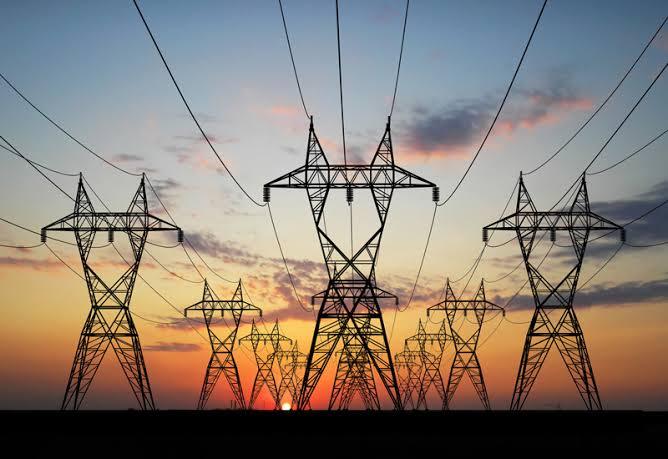
The Nigerian Government has reaffirmed its commitment to creating an enabling environment for private sector participation in the Power sector to accelerate reforms and improve electricity supply across the country.
Nigeria’s Minister of Power, Adebayo Adelabu, made this known during a facility tour of Genesis Energy’s power project at the Port Harcourt Refinery in Rivers State, southern Nigeria.
Speaking during the visit, Adelabu praised the collaboration between Genesis Energy and NNPC, describing it as ‘a model of public-private partnership capable of significantly boosting electricity sufficiency, reliability, and efficiency nationwide.’
“All we need to do as the government is to make sure we provide a conducive atmosphere for private sector investors to thrive. They should feel confident about bringing in new investments and assured of recovering those investments,” the Minister said.
Adelabu explained that his visit was aimed at fast-tracking efforts to channel excess power from the refinery to the national grid, a move expected to improve overall grid supply and reduce power shortages.
He said; “My visit here is to inspect the facilities and evaluate how the excess power being generated can be effectively fed into the national grid. We aim to conclude all necessary agreements within 90 to 180 days. The key focus now is on finalising infrastructure arrangements that will enable efficient off-take of power from the refinery.”
Adelabu also highlighted the need for sound commercial agreements, including the pricing and tariff structure for selling power to the Port Harcourt Electricity Distribution Company (PHEDC), to ensure affordability for end-users while maintaining sustainability for investors.
According to him, “pricing must be reasonable for the consumers while ensuring the investor sees value. I believe we can conclude this quickly. Now that I’m here, we will track the process and ensure this project takes off very soon.”
Adelabu reiterated the Nigerian Government’s readiness to support private sector players, pointing to key reforms that are already underway.
He said; “There are a few major steps we’ve taken. Firstly, we have just launched the National Integrated Electricity Policy (NIEP), the most comprehensive power sector policy in over two decades. It clearly outlines the roles and expectations of both government and private players, removing ambiguity for investors.”
He also noted that the regulatory environment has become more consistent and investor-friendly, making it easier for new entrants to participate in the power sector value chain.
“Whatever the government needs to do to encourage private sector involvement, we are ready to do. The capital investment required in the power sector is far too large for the government alone. Attracting private sector capital is therefore crucial for stable and uninterrupted electricity for households, businesses, and industries,” Adelabu stressed.
During the tour, the Minister expressed satisfaction with the current state of the Genesis Energy facility, emphasising its impressive performance and reliability since inception.
The Minister said; “I am impressed with the operational condition of the facilities. Given their age and usage, their current state shows quality maintenance and performance. The plant has operated with over 99 per cent availability since 2014 and has recorded zero lost-time injury incidents. What remains is to ensure that the excess energy generated is efficiently evacuated to where it’s needed most.”
Adelabu said the project could serve as a proof of concept for similar initiatives across the country, especially given plans for a 120MW expansion and new transmission infrastructure to distribute power not only to Port Harcourt but nationwide.
He said; “This project, if successful, will pave the way for more. The proposed expansion to 120MW is a step in the right direction, and the commitment to build accompanying transmission infrastructure will ensure that more Nigerians benefit from a reliable power supply.”
The Genesis Energy plant at the NNPC Port Harcourt Refinery is an 84MW gas-fired power project powered by three GE TM2500+ gas turbines, with at least two turbines running concurrently and one on standby.
Dedicated to the refinery, the facility ensures a stable electricity supply critical to refining operations and now stands poised to contribute surplus power to the national grid.
The facility, operated in partnership with the Nigerian National Petroleum Company Limited (NNPC), a state-owned oil and gas company, is a key part of Nigeria’s strategy to make good use of extra energy in ways that would benefit the entire nation.