


Legislators across Nigeria have been called upon to play a more proactive role in championing immunisation in their communities, as part of a broader effort to build a sustainable vaccine financing model in the country.
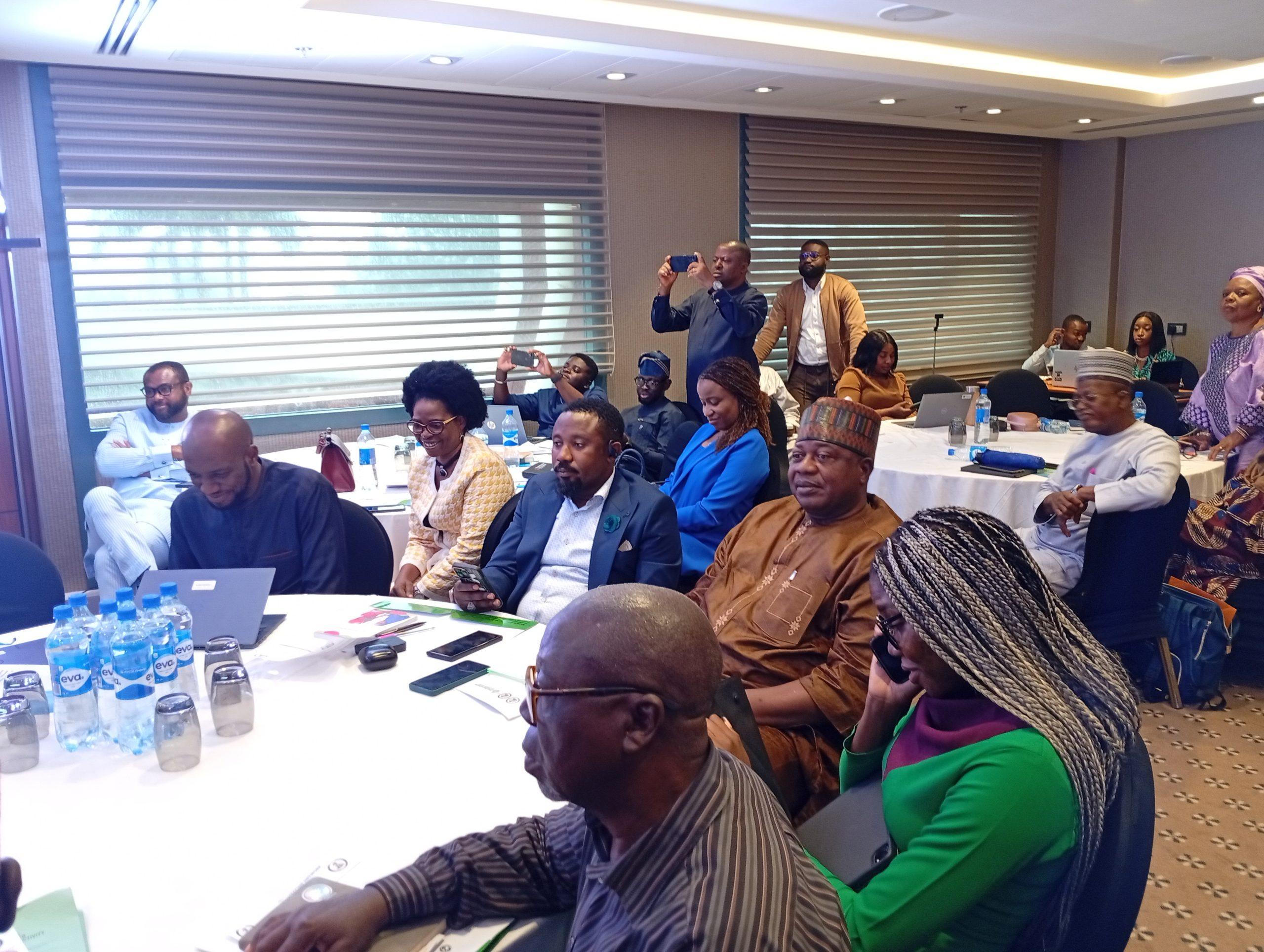
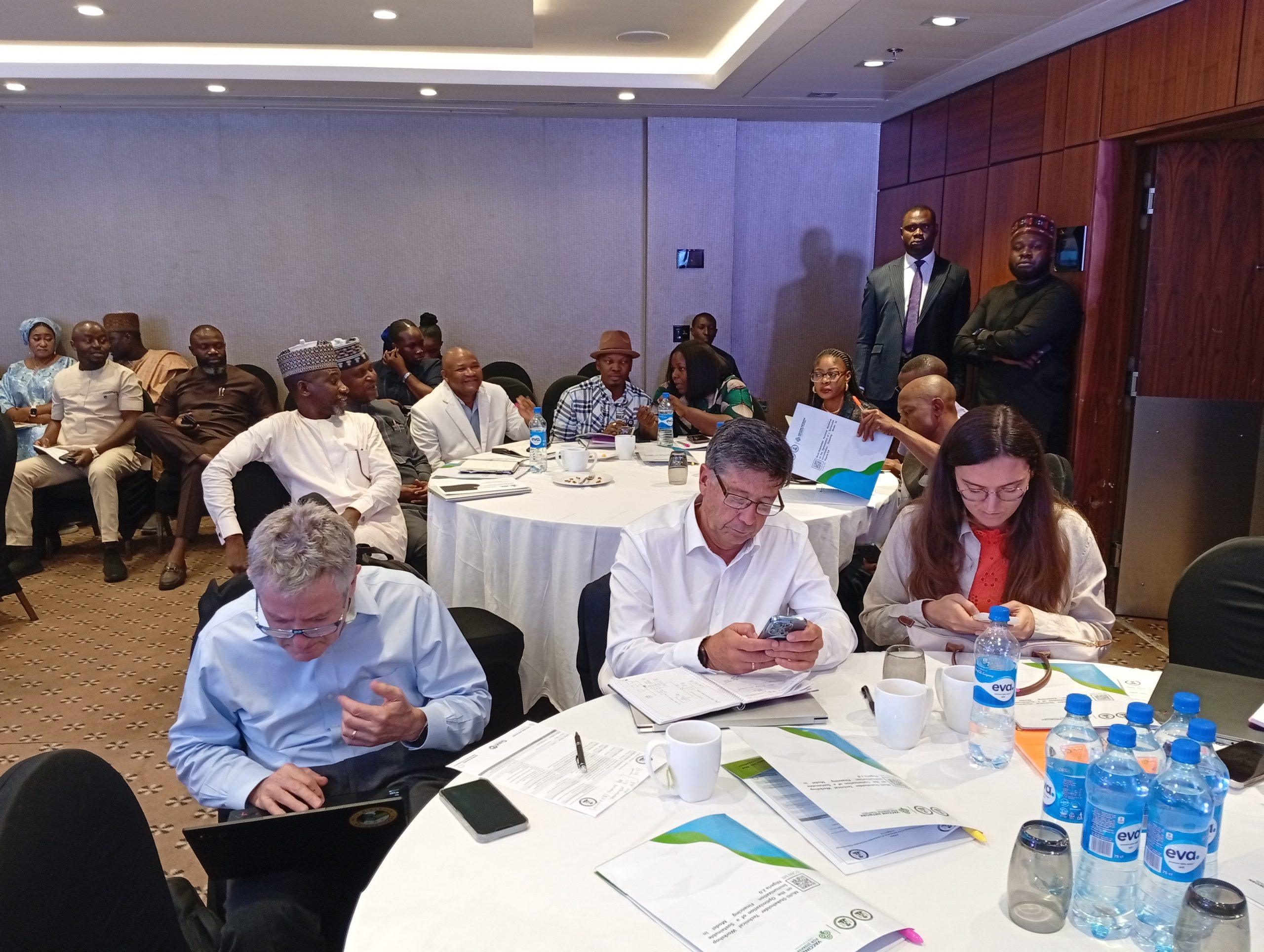
This call was made during a multi-stakeholder technical workshop on the optimisation of sustainable immunisation financing in Nigeria, held recently in Abuja.
Speaking at the event, the Special Adviser to the President on Health, Dr Salma Anas, stressed the critical role of legislative advocacy and oversight in ensuring the success of immunisation programmes.
She urged lawmakers to monitor vaccine delivery meticulously—“step by step, up to the mouth of the baby”—to guarantee accountability and full coverage.
Read Also: Nigeria Disburses ₦32 Billion for Healthcare Access
As representatives of the people, legislators are well-placed to identify zero-dose areas and ensure that no child is left behind.
Dr Anas suggested that lawmakers’ performance should be partly evaluated based on health outcomes in their constituencies.
“How many children in your community are vaccinated?” she asked, proposing that maternal and child health achievements, such as reducing mortality and promoting safe deliveries, should influence electoral outcomes by 2027.
Chairman of the House Committee on Healthcare Services, Hon. Amos Magaji, reiterated the National Assembly’s commitment to a sustainable immunisation financing model, especially in light of dwindling donor support.
He said, “Optimising a sustainable immunisation financing model in Nigeria is crucial for maintaining high coverage and preventing outbreaks of vaccine-preventable diseases, especially as donor funding declines.”
Magaji cited Section 5(I)(i) of the National Health Act 2014, which mandates immunisation for children under five and pregnant women, underscoring the legal imperative to strengthen vaccination efforts.
He, however, lamented the underfunding of immunisation initiatives and Nigeria’s over-reliance on external donors, which he said had created complacency towards domestic funding responsibilities.
To address this, he advocated for increased budgetary allocation to immunisation via the Basic Health Care Provision Fund (BHCPF), alongside private sector engagement and innovative financing mechanisms.
“Sustainable financing requires a multi-sectoral and multi-level approach that combines public investment, private innovation, legal safeguards, and community ownership,” he added.
Chairman of the Senate Committee on Health, Senator Ipalibo Harry, described it as unacceptable that Nigeria remains among countries with the highest burden of low childhood immunisation rates.
She called for collaborative action to address this gap and praised the House Committee for initiating the timely and strategic dialogue.
Similarly, Deputy Chairman of the Senate Committee on Primary Healthcare and Communicable Diseases, Senator Tony Nwoye, urged Nigerians to prioritise immunisation as a first-line defence.
“Immunisation is the beginning of a resilient healthcare system. It remains one of the most cost-effective and life-saving interventions,” he said, warning that over-reliance on external funds threatens the gains already achieved.
Senator Nwoye advocated for a domestically funded and sustainable immunisation framework to ensure uninterrupted access to vaccines and services across the country.
Earlier, Mrs Chika Offor, Chief Executive Officer of the Vaccine Network for Disease Control (VNDC), warned that unpredictable funding would continue to hinder immunisation progress.
She said, “Only predictable and sustained funding can reduce the number of zero-dose children. At present, we are facing a diphtheria outbreak, and this will continue unless vaccines are made readily available.”
Offor expressed satisfaction with the commitment shown by stakeholders and said she hoped the discussions would translate into actionable steps.
The workshop concluded with a unified call for policy coherence, resource mobilisation, and accountability frameworks to secure Nigeria’s immunisation future in the post-donor era.