

Hauwa Mustapha, Kano
Stakeholders in Nigeria’s environmental sector in collaboration with United Nation Children’s Fund UNICEF, have called for action towards country’s plastic pollution and climate challenges eradication in government, private sector, and communities.
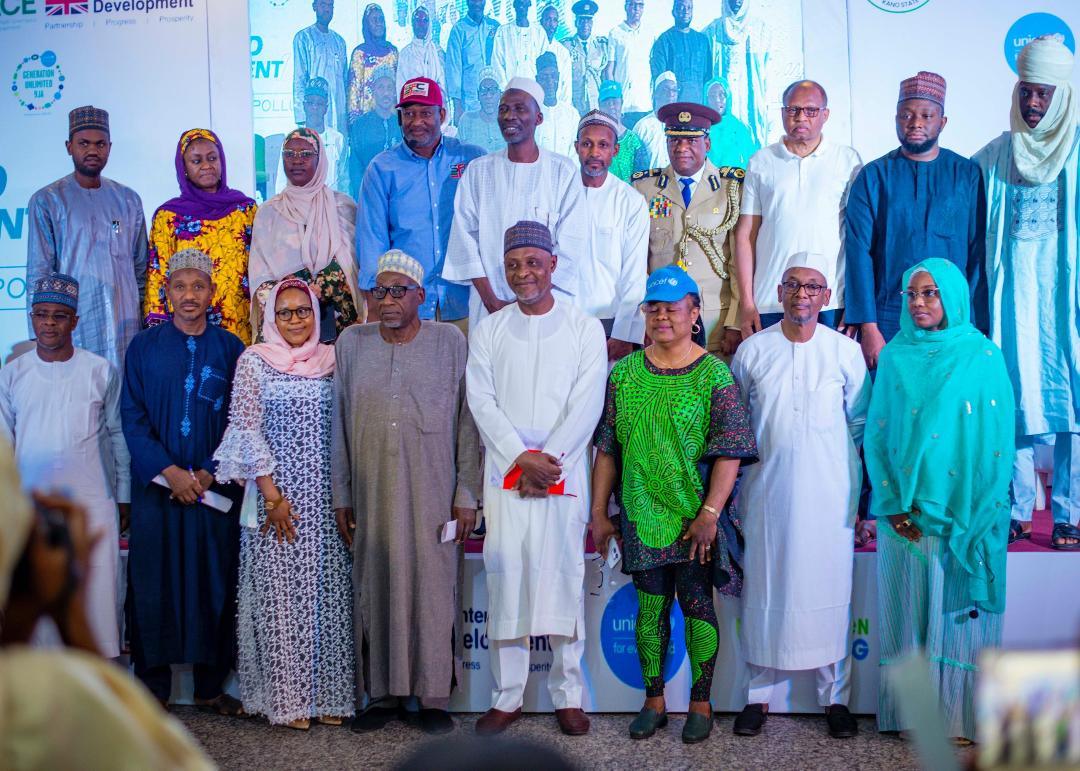
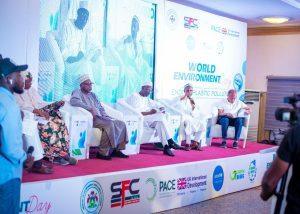
This call to action was part of key notes during a panel discussion titled “Strategies for Reducing Plastic Pollution,” held in Kano as part of activities marking World Environment Day 2025, organized by Kano MoECC, SFC, PACE, UNICEF, Green Rising, and Generated Unlimited 9JA.

The discussion focus on the importance of prioritizing recycling, supporting circular economy initiatives, and empowering young people to transform Nigeria’s waste crisis into an opportunity for sustainable growth.
The Chief of UNICEF Field Office Kano, Mr. Rahma Rihood Mohammed Farah, stated that climate change threatens children’s health, education, and future opportunities, and urged the government to place children and youth at the centre of climate policy.
Mr. Farah, disclosed that climate change negatively affects children’s nutrition and cognitive development, undermining the country’s future workforce
He warned that Nigeria could lose up to 30% of its GDP if climate change remains unaddressed.
The Team Lead Partnership for Agile Governance and Climate Engagement PACE Kano, Malam Auwalu Hamza, disclosed the importance of fostering functional systems to enhance climate resilience, support democratic institutions, and promote inclusive, sustainable economic growth.
The Director of Climate Change (MoECC) Mal Umar Saleh Anka, representing the Ministry of Environment, explained that plans have reached an advanced stage to establish a circular economy hub that will train producers and polluters in sustainable recycling practices.
Professor Abdulazeez U. Raji, Dean of the Faculty of Earth and Environmental Sciences Bayero University Kano, explained that the scale of plastic use in Nigeria is 9.2 billion tons produced globally since 1950.
Mr Raji, called on industries to take responsibility for their environmental impact, adding, that eco-friendly packaging is no longer a trend but a necessity.
The event featured exhibitors show casing some product made out of the used plastic materials and a debate by secondary school students on the role of government and businesses in reducing plastic waste pollution and award presentations to deserving individuals for their contributions to environmental sustainability.
Oyenike Oyeniyi