

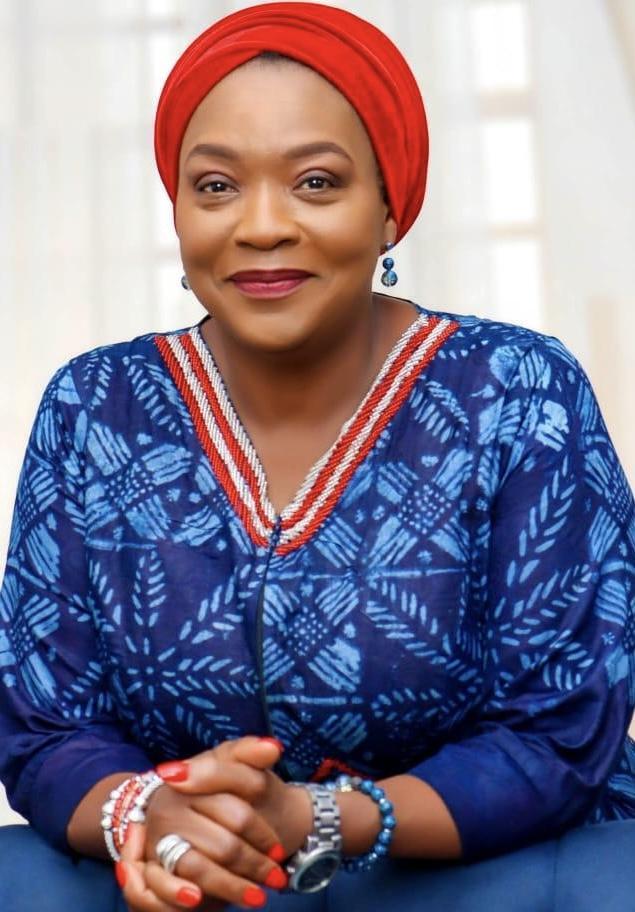
Nigerians, as well as global partners, have been urged to support national rebuilding efforts through expertise, skills, strength, and financial contributions to empower women, children, and vulnerable populations across the country.
The Chair of the Board of Directors of Women Radio, Toun Okewale-Sonaiya, made the call while speaking at the second edition of Nigerian Women’s Day during the 70th Commission on the Status of Women (CSW70) in New York.
Framing the dialogue around 31 years of progress, resilience, impact, and renewed hope for Nigerian women, she acknowledged the negative perceptions about the country but stressed that transformative change must come from Nigerians and friends of Nigeria.
“There are many negatives about Nigeria at home and abroad. But no one will make a change in Nigeria except for Nigerians and friends of Nigeria.”
Describing national transformation as a collective responsibility, Sonaiya emphasized that every individual contribution represents a piece of a broader national effort.
“Your positive contribution is like a piece of a jigsaw. Bit by bit we will build a bigger positive Nigeria.”
She highlighted the Renewed Hope Social Impact Interventions and the nine-point “WomanAgenda” developed by the Federal Ministry of Women Affairs and Social Development, aimed at empowering 50 million Nigerians, particularly disadvantaged women across the country’s 774 local government areas.
Read Also: President Tinubu Launches $540M Women Empowerment Programme, Targets 25M Nigerians
Nigeria Showcases Women Empowerment Framework at Cairo Conference
Sonaiya also noted the significant barriers faced by women and vulnerable groups, including lack of electricity, limited access to finance and internet services, poor healthcare, restricted educational opportunities, and limited representation in leadership.
Among the flagship programmes she spotlighted was PowerHer774, a clean energy access initiative targeting one million women and their households to tackle energy poverty and support women-led businesses through LPG access.
She also highlighted the Women Agro Value Expansion (WAVE) programme targeting three million women farmers to transition from subsistence agriculture to agro-entrepreneurship through agro-industrial villages across local government areas.
“Imagine each LGA having fish pond, a poultry. There will be enough to subsidise for the community and enough to sell.”
Other initiatives referenced include the National Child Advancement and Achievement Programme for vulnerable and out-of-school children, Digital Harmony targeting five million women and girls for digital literacy, and Women Economic Villages designed to promote women entrepreneurs and artisans.
Women in Politics
On women’s political participation, she underscored the importance of the SheRuns initiative, which targets five million young and aspiring women leaders.
Sonaiya noted that Nigeria currently has nine female deputy governors, the highest number recorded, but stressed the need for greater representation.
“At the moment we have nine female deputy governors, the highest we’ve had. But we want more. If we put the energy we all put into the Special Seats Bill Reserved for Women into SheRuns, we will galvanise and push for women to be at the table and not to be eaten like the menu.”
She expressed hope that Nigeria could elect its first female governor in 2027, pointing to the Deputy Governor of Ogun State as a strong contender.
“The deputy governor of my state Ogun has served excellently for eight years; she is a good candidate for Nigeria’s first elected female governor hopefully under SheRuns.”
Calling for stronger partnerships, Sonaiya urged Nigerians and friends of Nigeria to support the programmes through expertise, collaboration, and financial contributions.
“We need your expertise, we need your skills. We need your strength. We need your money within and beyond Nigeria.” she appealed.