

The Nigerian Institute of Public Relations (NIPR) has outlined an agenda aimed at repositioning Nigeria’s global image, strengthening national reputation management, and deepening collaboration with the media, announcing free professional training for journalists as part of its 2026 roadmap.
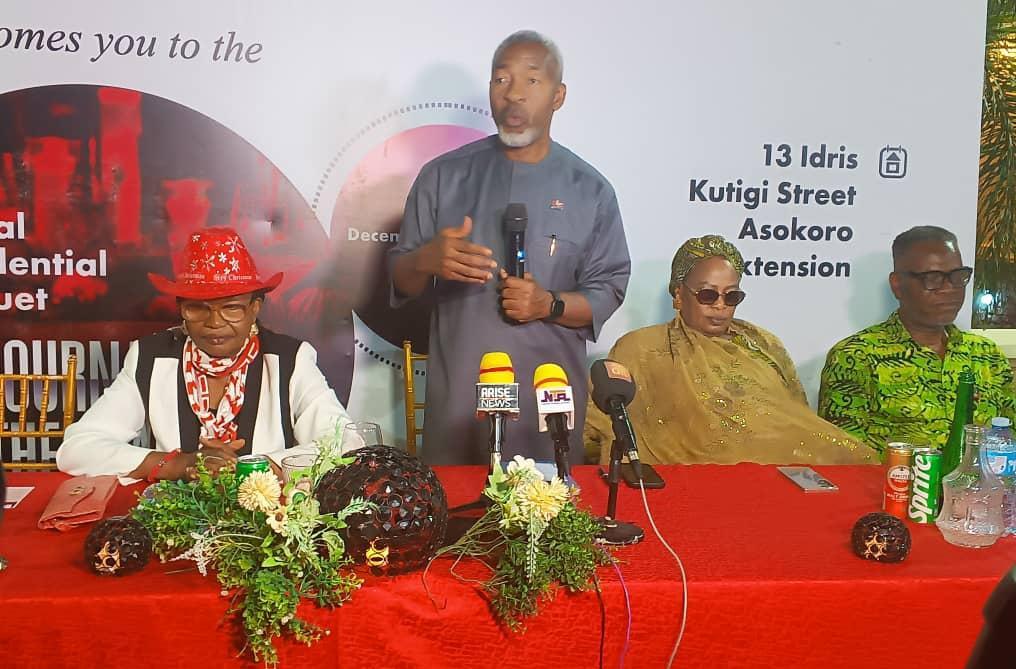
Speaking during a media engagement in Abuja, the president of the institute, Dr Ike Neliaku, said the purpose of the engagement was to consolidate a strategic partnership with journalists, whom he described as indispensable to nation-building and reputation management.
He commended media organisations for three years of consistent professionalism and support given to the institute, as well as for enhancing national development.
“We appreciate you first as individuals and friends, and secondly for representing your organisations very well. In the last three years we have worked together, and I have never received any report against any of you for doing anything unprofessional. That tells me you have always done your work well,” he said.
He explained that NIPR deliberately sought a partnership with journalists because the council realised early that it could not effectively serve the nation alone. According to him, the collaboration was designed not only to help the institute deliver on its mandate but also to add long-term value to journalists’ careers.
“The public relations profession is a global brand. Journalists retire at 60 in public service, but public relations is a profession you can practise for life. As long as human beings exist, relationships must be managed, reputations must be built, and perceptions must be handled,” he said.
The NIPR president noted that membership of the institute comes with international recognition through the Global Alliance for Public Relations and Communication Management, giving Nigerian practitioners professional leverage in more than 126 countries. He cited a recent example involving United Nigeria Airlines, whose inaugural flight to Ghana benefited from the support of NIPR members in that country.
“That is the strength of this profession. Once you finish active journalism, you can open a consultancy. We are now consulting for reputation-building, stakeholder engagement, consensus-building, community relations, and peace-building. This is where your experience becomes invaluable,” he said.
Also Read: NIPR, Experts Advocate Partnership For National Unity
In a significant policy decision, he announced that the NIPR council had approved a free professional training programme for journalists who work closely with the institute.
“Council has approved that NIPR should mount a professional training programme for journalists, free of charge. What we ask is that you come together, identify the areas you want to be trained in, and let us design a fit-for-purpose programme,” he said.
He also used the occasion to speak personally about leadership and legacy, stressing that his focus was on finishing his tenure strongly rather than seeking an extension.
“I am not contemplating a tenure extension. What I need is your support and prayers to finish well. Some leaders start well and finish poorly. I don’t want that story,” he said.
Looking ahead to 2026, the NIPR president said the institute would unveil Nigeria’s first national perception and reputation survey report on January 15, developed in collaboration with Reputation Perception Services. He described reputation as a neglected national asset.
“Reputation is a capital asset for individuals, organisations, and nations. But lately, our reputation gate has been left unmanned. That is why all kinds of narratives have filled the space,” he said.
He lamented that international focus group discussions held as part of the survey revealed that Nigeria’s image abroad suffers from poor visibility of leadership, despite the country’s diversity and cultural richness. The findings, according to him, would help Nigeria identify areas requiring urgent attention. He therefore called for national unity and a rethinking of Nigeria’s self-image.
“We must not allow ethnicity or religion to define us. Other countries have challenges, but they manage their narratives better. The time has come for Nigerians to see themselves first as Nigerians and to work together to build the nation,” he added.
He ended by giving major highlights of the year, which include Nigeria’s hosting of the World Public Relations Forum, expected to attract delegates from more than 126 countries. The event will also feature the inauguration of the University of Public Relations and Leadership, which is the first of its kind in the world.
The agenda also includes the Nigeria Reputation Summit; the unveiling of the NIPR Prize Awards for Public Relations, Innovation, Creativity and Excellence on January 25, the NIPR International Women’s Day in March; a youth fireside chat with the French Ambassador; and the third Nigeria Public Relations Week scheduled for April in partnership with the Kaduna State Government.
The Nigeria Spokespersons Summit in June, a series of national lectures, and the inauguration of the NIPR national secretariat, with support from the Federal Radio Corporation of Nigeria and the Minister of Information,” he added.
The event brought together different media partners of NIPR across the Federal Capital Territory (FCT).