

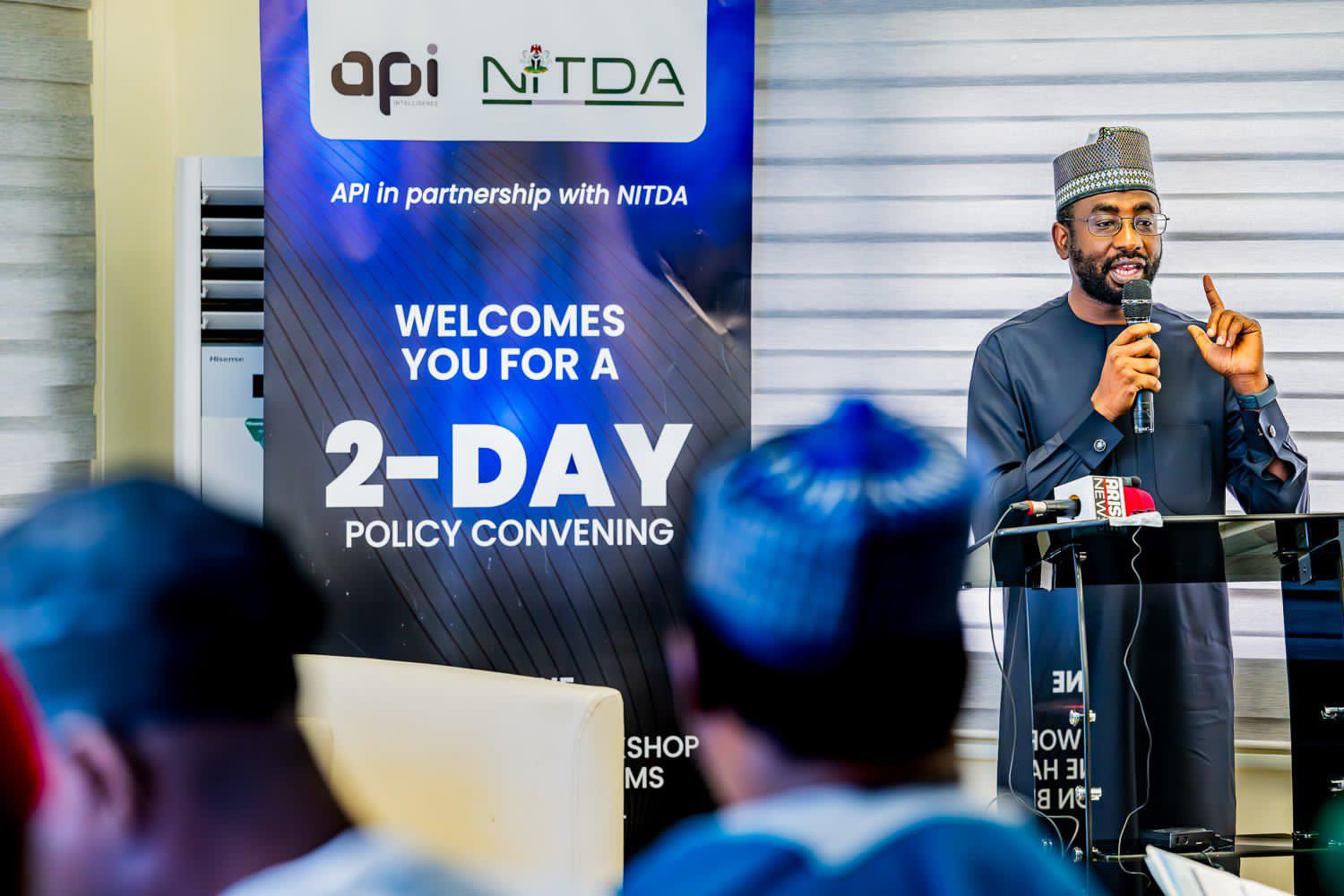
In a bid to confront the growing threat of harmful online content, the National Information Technology Development Agency (NITDA), in collaboration with Advocacy for Policy and Innovation (API), hosted a one-day stakeholder workshop in Abuja to advance discussions on the draft Online Harm Protection (OHP) Bill.
READ ALSO: NITDA Champions Gender Inclusion in Nigeria’s AI, Digital Economy
The event gathered a wide range of participants including platform policy leaders, civil society advocates, academics, and government regulators to address pressing issues such as cyberbullying, gender-based violence, disinformation, hate speech, and digital exploitation.

Delivering the keynote address titled “Strengthening Trust and Accountability in Nigeria’s Digital Future,” NITDA Director General Kashifu Inuwa emphasized the need for a fresh regulatory approach that protects users while safeguarding freedom of expression.
The draft bill proposes establishing an Online Safety Council, implementing platform accountability measures, and creating redress mechanisms for victims all within a framework that respects democratic and civic freedoms.
“Today, the biggest question is: to what extent should our lives be directed and controlled by powerful digital systems and under what conditions?” Inuwa asked. “These systems filter what we see, prescribe what we know, and influence what we think, even shaping our decisions during elections. This is unaccountable power in the hands of private individuals.”
He noted that a white paper, developed collaboratively by government, civil society, academia, and the tech industry, was issued in December 2023. “We must move beyond self-regulation by big tech,” he said. “True democratic regulation requires inclusive input and legally binding rules.”
API Co-Founder Victoria Manya also underscored the urgency of legislative action. “The cost of inaction is high. Every day, Nigerians face harassment, exploitation, misinformation, and algorithmic bias. The solution isn’t a moral panic, but a rights-based framework grounded in local realities and informed by global best practices,” she said.
She highlighted that the Online Harm Protection White Paper emerged from months of collaborative consultations and emphasized that the proposed bill is still evolving hence the importance of continued dialogue.
Participants at the workshop commended the transparent and inclusive drafting process, calling for continued openness, inclusion of marginalized voices, and fair, timely redress mechanisms.