


Nigeria’s Minister of State for Agriculture, Senator Sabi Abdullahi, has stated that the Northern region stands to benefit the most from President Bola Ahmed Tinubu’s ongoing Renewed Hope agricultural initiatives.
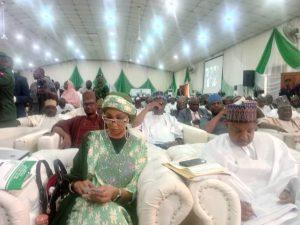
Speaking during a plenary session at the two-day interactive forum on Government-Citizens Engagement held in Kaduna, Senator Abdullahi noted that the region, regarded as the backbone of Nigeria’s food production, is strategically positioned to lead in the implementation of the administration’s agricultural agenda.
The engagement, themed “Assessing Electoral Promises: Fostering Government-Citizens Engagement for National Unity,” brought together stakeholders to promote transparency, accountability, and inclusive governance.
According to the Minister, President Tinubu’s government is committed to transforming Nigeria’s food systems, making the country’s agriculture globally competitive and integrated into the global food value chain.
Abdullahi acknowledged current challenges such as food crisis, inadequate irrigation infrastructure, and a low farmer-to-extension officer ratio, but assured that the declaration of a state of emergency in the sector was a decisive step toward scaling up food production.
“The government is driving all-year-round farming through targeted programs aimed at boosting the cultivation of wheat, rice, and other essential crops,” he said, citing Jigawa State as the largest producer of wheat in Nigeria.
Livestock and Irrigation Development
He further praised President Tinubu for establishing the Ministry of Livestock Development, describing it as a bold move to revitalize the livestock sector, grow the economy, and reduce conflicts between farmers and herders.
On water and environmental development, the minister revealed that several dam projects have been executed to enhance irrigation farming and improve access to clean water and sanitation, especially in the northern region.
Also speaking at the session, the Minister of Livestock Development, Idi Muktar Maiha, outlined the benefits of the newly created ministry, emphasizing its role in advancing national development and agricultural sustainability.
Lateefah Ibrahim