

Nigeria’s indigenous telecommunications company, ntel, has announced plans to officially re-enter the nation’s telecoms market in the first quarter of 2026.
The plans mark a major comeback under a renewed strategy that prioritizes innovation, inclusion, and sustainability.
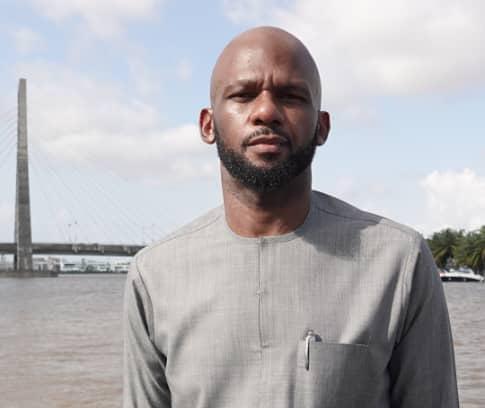
The company’s Chief Executive Officer, Soji Maurice-Diya, confirmed the development during the Technology Times Thought Leadership Series, a platform that brings together decision-makers shaping Nigeria’s digital transformation to share insights and foresight on technology and policy innovation.
Maurice-Diya, who leads NatCom Development & Investment Limited (trading as ntel), described the comeback as “the beginning of a new chapter not just for ntel, but for Nigeria’s telecoms industry as a whole.”
He said; “the new ntel will adopt a digital-first, infrastructure-light MVNO model, focusing on strategic partnerships, digital innovation, and efficient service delivery rather than extensive physical infrastructure.”
“We are not returning to be another operator chasing millions of subscribers.
“We are coming back to serve a new generation of Nigerians who value innovation, efficiency, and authenticity in their digital experience. Our comeback will be defined by focus, speed, and value creation,” Maurice-Diya said.
Innovation-Driven Re-entry
According to the ntel CEO, the company’s re-entry strategy emphasises partnership over ownership, platforms over towers, and experiences over expansion.
He explained that ntel would leverage existing wholesale network agreements and spectrum-sharing arrangements to deliver affordable and innovative data, content, and enterprise solutions without duplicating infrastructure.
“We have learned that success in the modern telecoms landscape is not about how much spectrum you own—it’s about how intelligently you use it,” Maurice-Diya noted.
He said the company would target youth-driven digital inclusion, providing affordable data and next-generation digital services aimed at bridging Nigeria’s innovation divide.
“Our youths are digital natives, the most connected, creative, and ambitious generation in our history. ntel will be their platform to learn, build, and thrive in the new digital economy,” he explained.
Strengthening the Digital Economy
Maurice-Diya situated ntel’s return within Nigeria’s broader digital economy strategy, emphasizing the critical role of telecoms as the foundation of national competitiveness.
He said; “Telecoms is the spine of the digital economy. Without robust connectivity, digital transformation cannot scale,”
Maurice-Diya also called for greater coordination among key agencies including the Ministry of Communications, Innovation and Digital Economy, the Nigerian Communications Commission (NCC), NITDA, and the Central Bank of Nigeria (CBN), to ensure coherent policies that accelerate innovation and investment.
“We must harmonise digital policy to reduce friction, simplify compliance, and create predictability for investors. The digital economy is too important to be fragmented,” he stressed.
Thought Leadership Series
The Technology Times Thought Leadership Series serves as a bridge between innovation, industry, and informed public discourse. It is hosted by Technology Times, Nigeria’s trusted voice on technology innovation and digital transformation since 2004.
The series features one-on-one interviews, panel discussions, and insights from business and policy leaders shaping Nigeria’s digital future.
Mercy Chukwudiebere