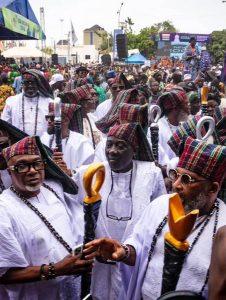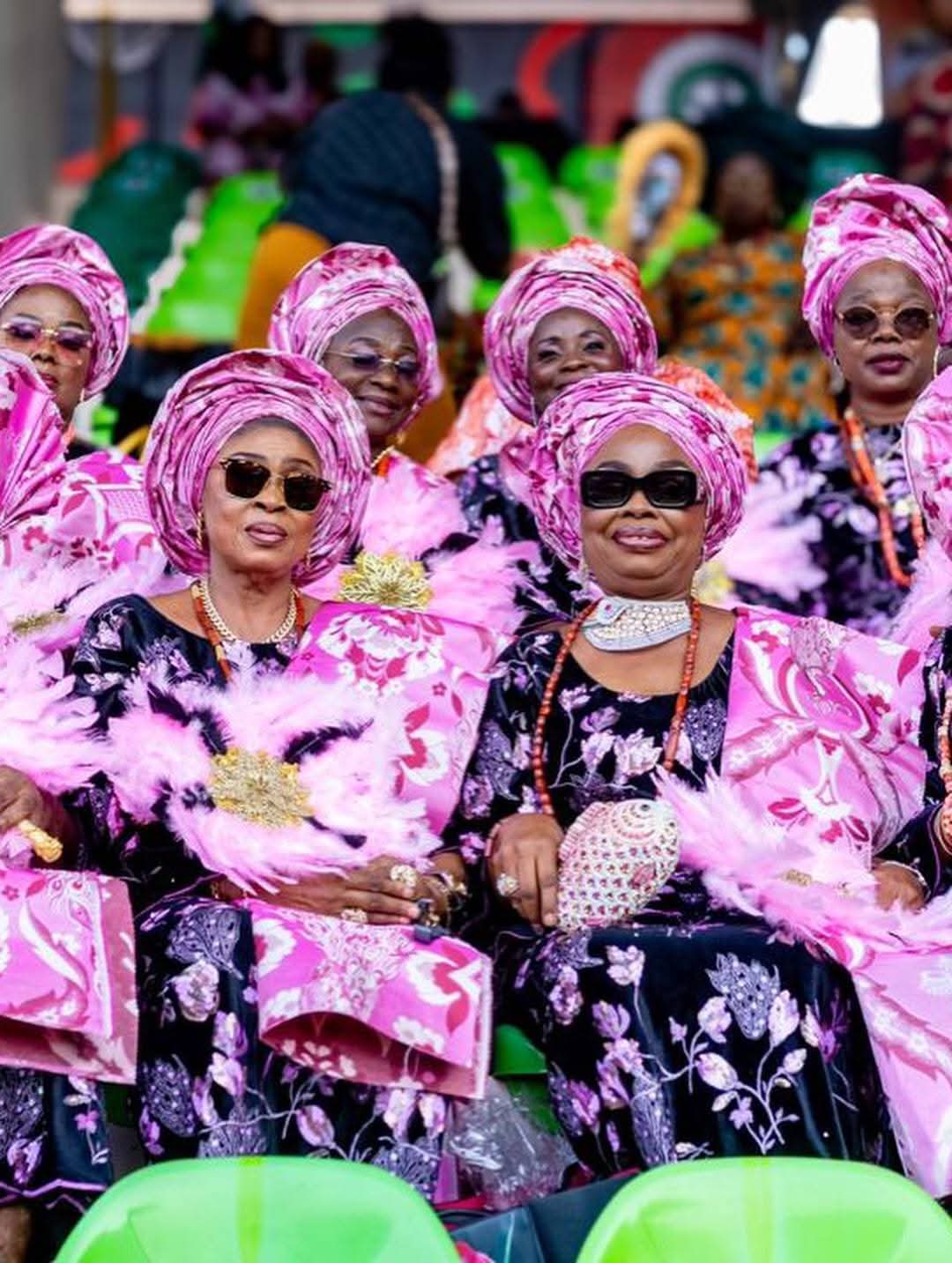
The Egba people, a major subgroup of the Yoruba people in Ogun State, south-west Nigeria, gathered on Saturday at the historic Ake Palace in Abeokuta for the grand finale of the 39th Lisabi Festival.
The event marked the culmination of a vibrant week-long cultural celebration honouring Lisabi, an 18th-century Egba hero and military strategist who led a successful resistance against the oppressive rule of the Oyo Empire.
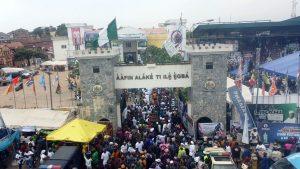
Lisabi’s legacy remains central to Egba identity, symbolising courage, unity, and self-determination. Today, the festival serves both as a historical commemoration and a powerful expression of cultural pride.
Abeokuta, whose name means “under the rock,” holds deep significance in Egba history. The city is famed for landmarks such as Olumo Rock, which once served as a natural fortress for the Egba people, and has grown into a cultural hub that preserves rich Yoruba traditions and produces notable figures.

Throughout the festival week, activities showcased Egba heritage, including traditional drumming, dances, masquerade performances, and displays of indigenous crafts.
The grand finale drew dignitaries, traditional rulers, and members of the global diaspora, reflecting the festival’s growing international appeal. The presence of the Paramount ruler, the Alake of Egbaland, Oba Adedotun Aremu Gbadebo, alongside other traditional leaders, reinforced the importance of leadership in preserving cultural identity.
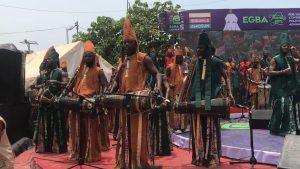
Beyond celebration, the Lisabi Festival promotes tourism, boosts the local economy, and fosters unity among Egba sons and daughters worldwide.
As global interest in African heritage continues to rise, the festival stands as a vivid example of how communities preserve their history while engaging a modern, international audience.