

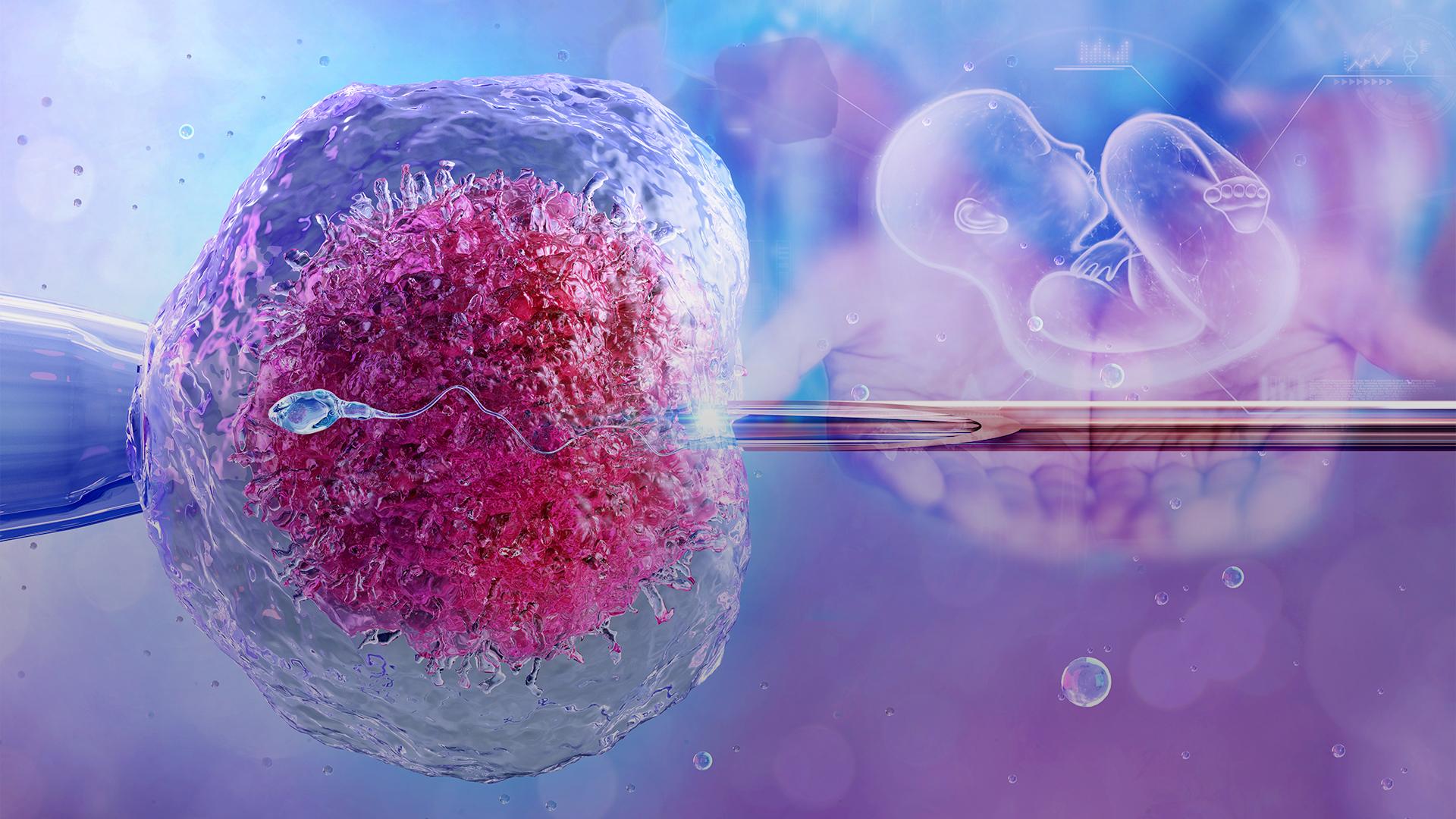
New figures from the Human Fertilisation and Embryology Authority (HFEA) reveal that nearly one in every classroom in the United Kingdom is now made up of children born through in vitro fertilisation (IVF).
According to the HFEA’s latest report, almost 21,000 babies were born via IVF in 2023, up from 8,700 in 2000. IVF births now account for 3.1% of all UK births, rising from 1.3% at the start of the millennium.
This equates to one in 32 UK births in 2023 being a result of IVF, compared to one in 43 in 2013.
“IVF is helping more people have babies, including patients of different ages and family types,” said Julia Chain, Chair of the HFEA.
“These findings highlight the changing landscape of the UK fertility sector and how it could develop in the years to come.”
The equivalent of one child in every class is now being born via IVF, according to new figures.
Despite this rise, “funding has dropped quite dramatically over the last ten years,” says Claire Ettinghausen, from the Human Fertilisation and Embryology Authority.
#R4Today pic.twitter.com/xdSiAx02DD— BBC Radio 4 Today (@BBCr4today) June 26, 2025
Fertility Treatment Trends
The report outlines that 52,400 patients underwent more than 77,500 IVF cycles at UK clinics in 2023. Women aged 40 to 44 accounted for 11% of IVF births, up from 4% in 2000, representing 0.5% of all UK births.
The data also show a growing interest in egg freezing, with 6,900 women freezing their eggs in 2023, up from 4,700 in 2022. However, uptake of frozen eggs for treatment remains relatively low.
In addition, around 820 babies were born through donor insemination (DI) during the same period.
Read Also: FCTA Concludes Cancer Care Assessment in Abuja
NHS Funding Declines
The report also highlights a decline in NHS-funded IVF treatments, dropping from 35% in 2019 to 27% in 2023 across the UK.
The breakdown by region shows significant disparities:
- Scotland: 54% of IVF cycles were NHS-funded
- Northern Ireland: 49%
- Wales: 33%
- England: 24%
Racial Disparities and Satisfaction Gaps
The HFEA expressed serious concern over racial disparities in IVF outcomes. Asian and Black patients continue to experience lower birth success rates compared to White and mixed-ethnicity patients.
“Our recent survey also found that Asian and Black patients are less likely to report being satisfied with their fertility treatment,” Ms Chain added.
National Fertility Concerns
Data from the Office for National Statistics (ONS) show that the fertility rate in England and Wales dropped to 1.44 children per woman in 2023—the lowest on record.
Call for Fairer Access
A spokesperson for Fertility Network UK described the HFEA report as an important reflection of the essential role fertility treatment plays in modern family building.
“It’s not just the scientific advances that matter, but the social impact of helping people realise their dreams of parenthood,” the charity stated.
“Delays in accessing treatment—due to long GP referrals or inconsistent NHS funding—can have a devastating emotional and biological impact. We call for fair and timely access to fertility services for all, wherever they live and whatever their background.”