

Over a third of Tuvalu’s population has applied for a groundbreaking Australian climate visa, as the tiny Pacific island nation faces the looming threat of rising seas, according to official figures released Sunday.
Tuvalu’s ambassador to the United Nations, Tapugao Falefou, told Reuters he was “startled by the huge number of people vying for this opportunity,” noting widespread interest in which applicants would be selected as the island’s first official climate migrants.
Home to just 11,000 people across nine low-lying atolls between Australia and Hawaii, Tuvalu is among the countries most at risk from climate change. Scientists predict that large parts of it could be underwater by mid-century due to accelerating sea-level rise.
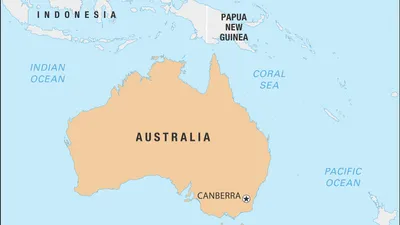
Since applications for the visa opened this month under the 2023 Falepili Union treaty with Australia, 1,124 individuals have applied, bringing the total number of prospective migrants—including family members—to 4,052. The application window closes on July 18. The program is capped at 280 visas annually to help prevent brain drain and ensure sustainable migration, Australian officials have said.
The visa grants Tuvaluan citizens the right to live, work, and study in Australia, with access to public healthcare and education on par with Australian residents.
“Moving to Australia under the Falepili Union treaty will in some way provide additional remittance to families staying back,” Ambassador Falefou said.
Tuvalu’s main atoll, Funafuti—where 60% of the population resides—is particularly vulnerable. NASA scientists estimate that half of Funafuti could be submerged daily by 2050 if sea levels rise by one metre. In a worst-case scenario of a two-metre rise, 90% of the atoll would be underwater.
Tuvalu, with an average elevation of just two metres above sea level, has already experienced a 15 cm rise over the past 30 years, 50% higher than the global average. To adapt, the country has constructed 7 hectares of artificial land and plans to build more, aiming to preserve habitable space through the end of the century.
reuters/s.s