


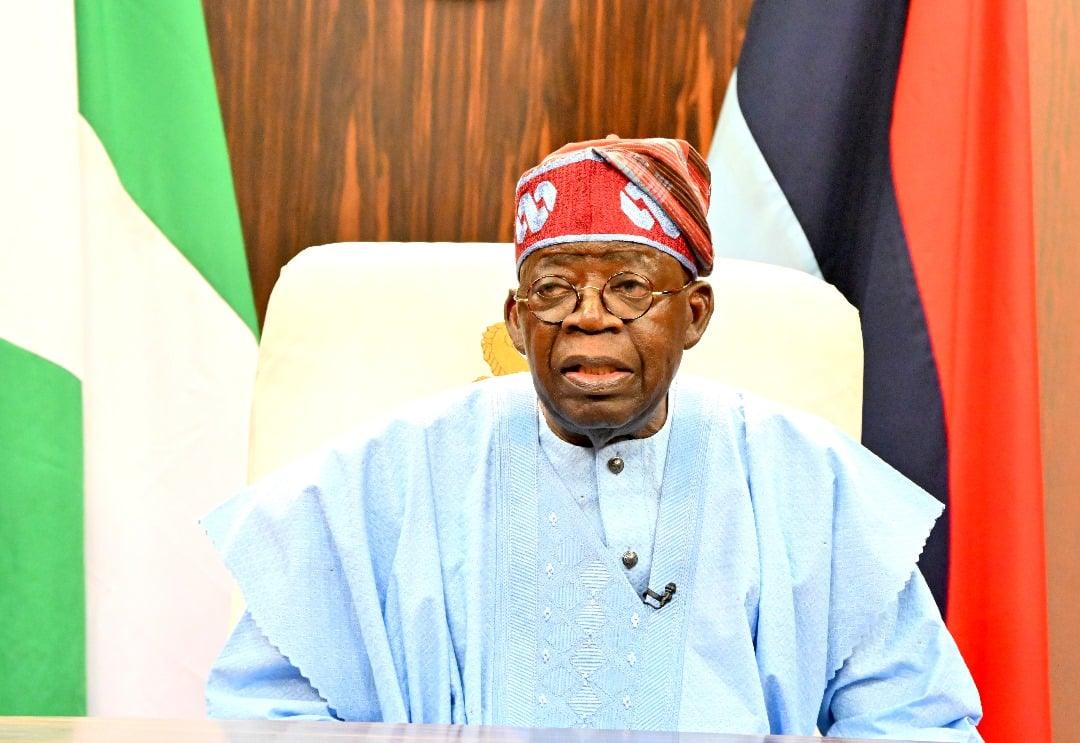
President Bola Ahmed Tinubu has directed the Minister of Education, Dr Tunji Alausa to take all necessary measures to end the ongoing strike by the Academic Staff Union of Universities (ASUU), underscoring his administration’s commitment to keeping Nigerian students in school.
Minister of Education, Dr Tunji Alausa, disclosed this after a meeting with the President at the State House, Abuja.
He assured Nigerians that the government has met virtually all of ASUU’s demands and is intensifying dialogue to resolve any lingering issues.
According to the Minister, “The President has mandated us that he doesn’t want ASUU to go on strike, and we’re doing everything humanly possible to ensure that our students stay in school. We’ve met literally all their requirements and have returned to the negotiation table. The President even spoke with the leadership this morning. We will resolve this.”
Dr Alausa described the recent six-day industrial action as “unnecessary,” reiterating that the government remains open to engagement.
He said his visit to the President was to brief on the current situation and to seek further concessions aimed at ensuring lasting stability in the education sector.
The Minister commended President Tinubu’s “fervent and benevolent love for education and human capital,” stressing that the administration’s focus on human capital development cuts across education, healthcare, and social protection.
Clearing misconceptions about a purported four-week ultimatum and claims of government neglect, Dr Alausa explained that the Federal Government has overhauled its negotiation structure for tertiary institutions.
He said, “Previously, separate committees handled universities (ASUU), polytechnics (ASUP), and colleges of education (COHESU), and they were not coordinated we’ve now created a unified platform”
The Minister emphasised that dialogue remains the government’s preferred approach, saying, “There is no ultimatum. I spoke with the president of ASUP yesterday, and everything is calm. They understand this is a listening government that is determined to resolve their problems.”
ASUU had recently raised concerns over salary arrears, promotion delays, and inadequate funding as reasons for its industrial action.
The government maintained that these issues have been largely addressed, while discussions continue to ensure full compliance and lasting peace in the tertiary education system.
Beyond education, Dr Alausa highlighted broader national reforms under President Tinubu’s leadership, citing a 4.23 per cent GDP growth rate, the removal of fuel subsidy abuses, the introduction of new tax laws, and extensive infrastructure investments.
He noted that these measures are part of a wider strategy to strengthen the economy and create an enabling environment for educational advancement and human capital development.