

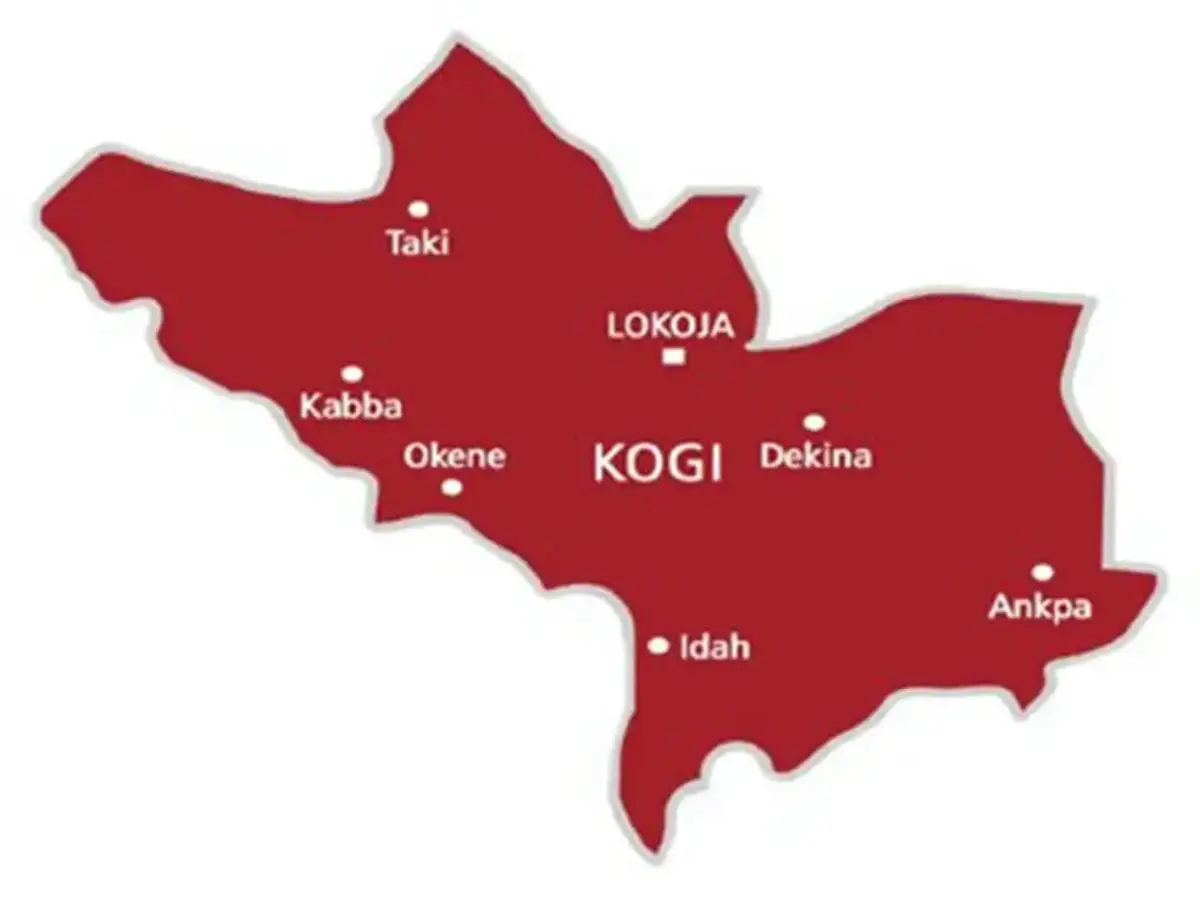
Kogi State Governor, Ahmed Ododo, has clarified that his recent executive proclamation on security protocols in the state is not a declaration of a state of emergency but a set of measures aimed at strengthening security and cracking down on criminals.
The clarification was contained in a statement by the Special Adviser on Media to the Governor, Ismaila Isah, who explained that the proclamation was a lawful constitutional step designed to enhance security coordination and protect lives and property in the state.

Governor Ododo said the action falls within his powers as the Chief Security Officer of the state under Section 14 subsection 2(b) of the 1999 Constitution of the Federal Republic of Nigeria, as amended.
He explained that the proclamation seeks to improve collaboration among security agencies without suspending constitutional rights or declaring a state of emergency.
According to the Governor, the measures include verification of security operatives, mandatory identification checks and the prosecution of individuals found aiding or abetting criminal elements such as bandits and terrorists.
He said the initiative was also intended to curb the activities of fake security personnel and strengthen the overall security architecture of Kogi State.
The Governor warned that individuals or organisations supporting criminal activities would be treated as enemies of the state and prosecuted in line with applicable laws.
He stated that properties used in the commission of such crimes would be forfeited to the Kogi State Government.
The measures, he said, are backed by relevant constitutional provisions as well as the Kogi State Anti-Kidnapping, Robbery and Terrorism Law of 2016, which empowers the state to seize assets used in the perpetration of violent crimes.
Governor Ododo expressed appreciation to security agencies for their efforts and reassured residents of his administration’s commitment to peace and security.
Recall that the Governor, on Tuesday rolled out the security protocols following the recovery of a large cache of weapons by security agencies acting on intelligence.
PIAK