

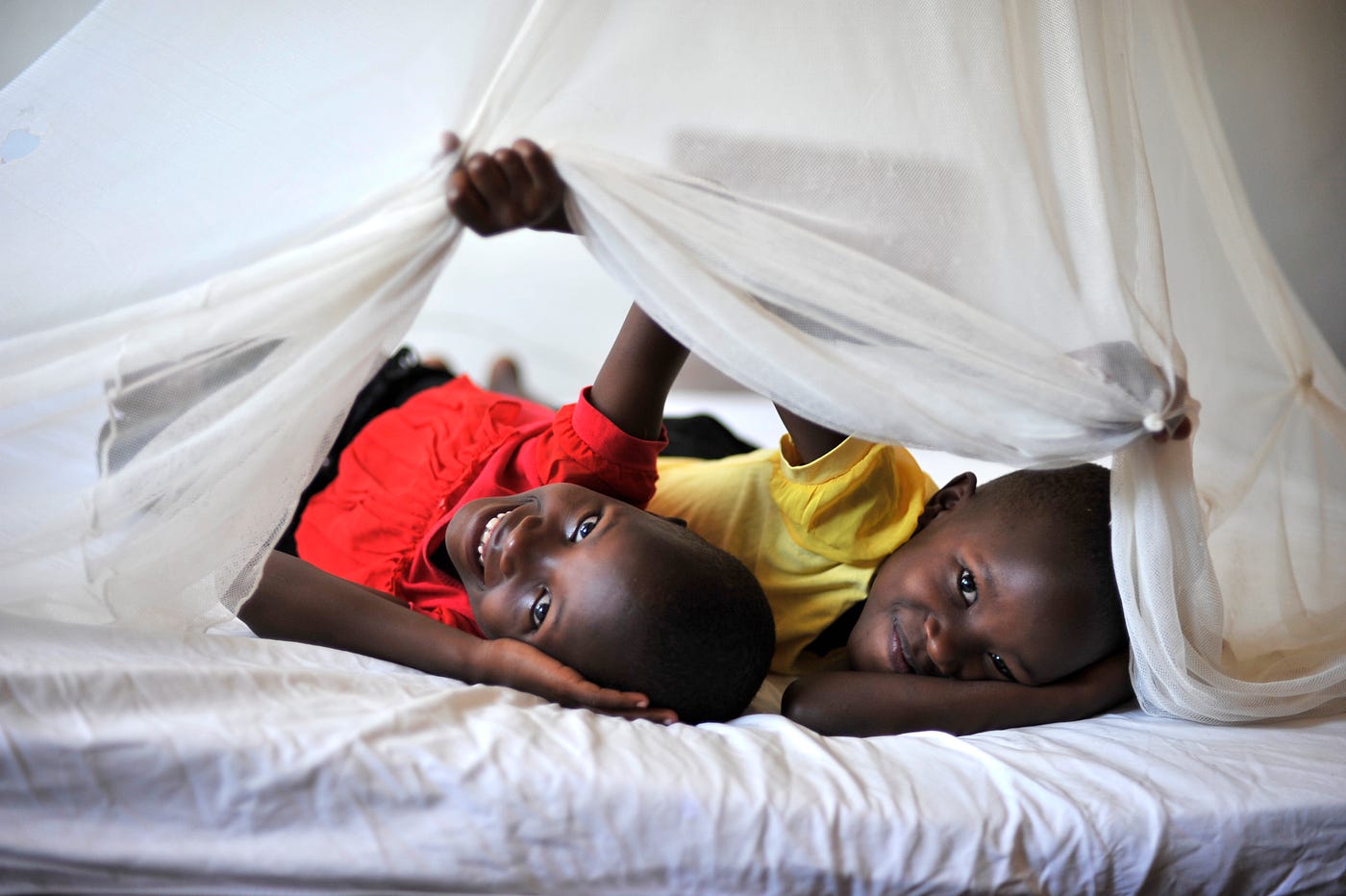
Dr Chukwudi Njelita, Chief Medical Director of Rock Foundation Hospital, Awka, has advised Nigerians to sleep under insecticide-treated nets to protect themselves from mosquito bites and the increased risk of malaria during the rainy season.
Speaking in an interview on Tuesday in Awka, Dr Njelita noted that malaria is caused by the “Plasmodium parasite,” which is transmitted through the bite of infected female Anopheles mosquitoes.
“With the rainy season now upon us in many parts of the country, there will be a higher incidence of malaria due to an increase in mosquito activity,” he said.
“I advise everyone to sleep under treated mosquito nets. Those who do not have should endeavour to acquire them, and those who have should ensure they use them.”
Call for Environmental Sanitation
The medical expert also emphasised the importance of environmental hygiene, especially during the rainy season, when stagnant water often collects in gutters and open spaces.
“Such conditions promote the breeding of mosquitoes. We must take proactive measures to clear blocked drains and eliminate stagnant water pools to prevent mosquito proliferation,” he said.
He explained that mosquito bites serve as the medium for transmitting malaria parasites from person to person, thereby escalating the incidence and prevalence of the disease during this season.
Malaria Risk in Vulnerable Groups
Dr Njelita raised concerns over the heightened vulnerability of pregnant women and children under five, who typically have lower immunity.
“Malaria is particularly dangerous for pregnant women because the parasite can attack the placenta, where nutrients are exchanged between mother and baby,” he warned.
He urged expectant mothers to begin antenatal care early and to start intermittent preventive therapy (IPT) from the 16th week of pregnancy as part of their protection.
Recognising Malaria Symptoms
He encouraged the public to seek prompt medical attention if they experience symptoms such as general weakness, headache, bitter taste in the mouth, loss of appetite, and muscle pain.
Dr Njelita stressed that while food and fruits can help boost immunity, they do not cure malaria. Prevention remains the most effective strategy, especially through the use of treated nets and avoiding mosquito bites.
“Malaria prevention is better, cheaper, and safer than cure,” he concluded.