

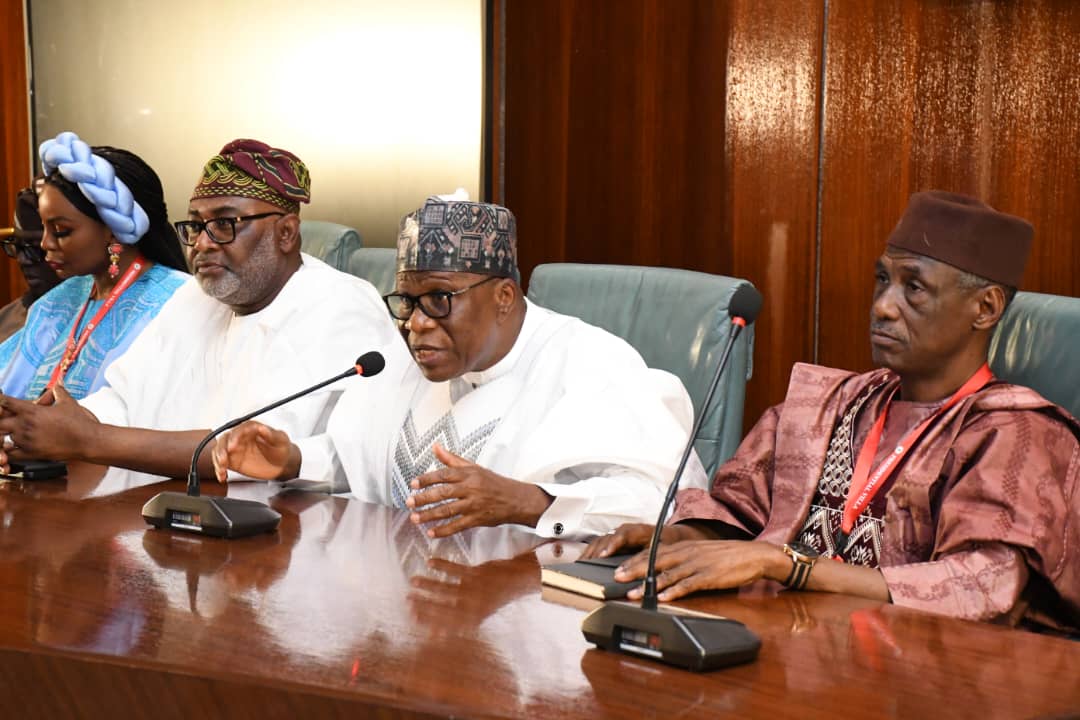
Nigeria’s Minister of Regional Development, Dr Abubakar Momoh, has announced that the seven Regional Development Commissions will deepen collaboration with state governments to strengthen security and fast-track infrastructure development across the country.
Dr Momoh disclosed this while briefing State House Correspondents after leading the Chairmen and Managing Directors of the Commissions to a meeting with President Bola Ahmed Tinubu at the Presidential Villa, Abuja, on Monday.
He explained that the discussions with the President centred on the commissions’ achievements, challenges, and strategic plans for regional growth and stability.
“We briefed Mr President on our progress and challenges. He gave us his attention, which we appreciate, and we remain hopeful that collaboration will soon deliver improved, tangible results across regions,” he said.
The Minister stressed that commissions would work hand-in-hand with governors to complement federal and state efforts in tackling insecurity while advancing key infrastructure in their respective regions nationwide.
He noted that deteriorating road networks had long been a concern but expressed optimism that joint maintenance and rehabilitation efforts by state governments and development commissions would reduce the problem significantly.
“If state governments maintain roads consistently, and development commissions assist in rehabilitation, the long-standing issues with bad roads will be reduced, opening communities for business, social services, and secure transportation,” he said.
Addressing development challenges
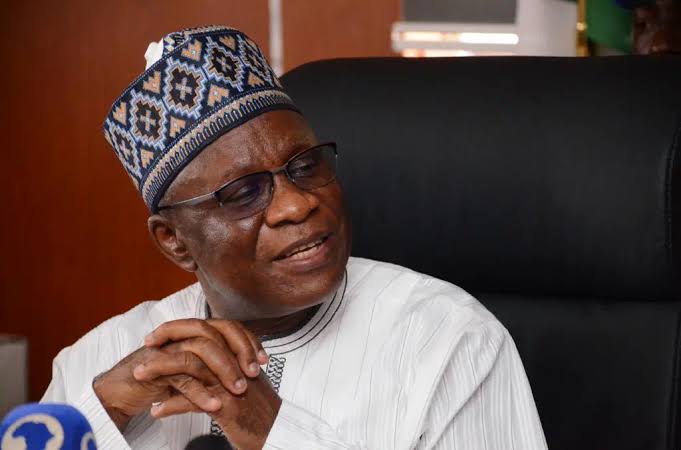
The Minister of State for Regional Development, Uba Maigari Ahmadu, described the commissions as the administration’s “surest tool” to address Nigeria’s development challenges across sectors such as education, energy, water, and agriculture.
“These seven development commissions are central to overcoming the nation’s development obstacles.
“They are strategically positioned to implement renewable energy, agriculture, water, and infrastructure projects, bringing tangible improvements to local communities,” he said.
Ahmadu assured Nigerians that the commissions were led by experienced professionals capable of executing practical, measurable projects that positively impact communities and complement national development priorities effectively.
Project Plans and Execution by the Commissions
The Managing Director of the North-East Development Commission (NEDC), Mohammed Goni Alkali, said the NEDC had implemented a four-phase master plan focusing on security, sustainability, and infrastructure in insurgency-affected areas of the region.
“We are currently in phase three, concentrating on infrastructure” he said “Fourteen bridges and approximately eighteen roads have been constructed, opening up communities and facilitating economic and social recovery after insurgency disruptions,” he added.
Also speaking, the Managing Director of the Niger Delta Development Commission (NDDC), Dr Samuel Ogbuku, said peace in the Niger Delta was improving due to the development projects reflecting the real needs of host communities.
“Virtually every community in the Niger Delta now has ongoing projects.
“Comprehensive needs assessments and stakeholder consultations guide decisions, ensuring development interventions are relevant, sustainable, and community-driven,” he added.
He identified the NDDC’s “Operation Light Up the Niger Delta,” which restored security in previously unsafe areas by providing lighting and essential infrastructure, boosting safety and community engagement.
“We no longer plan projects in isolation. Every initiative is designed in partnership with communities and stakeholders, ensuring local participation, accountability, and sustainable development outcomes across the Niger Delta,” Dr. Ogbuku added.