

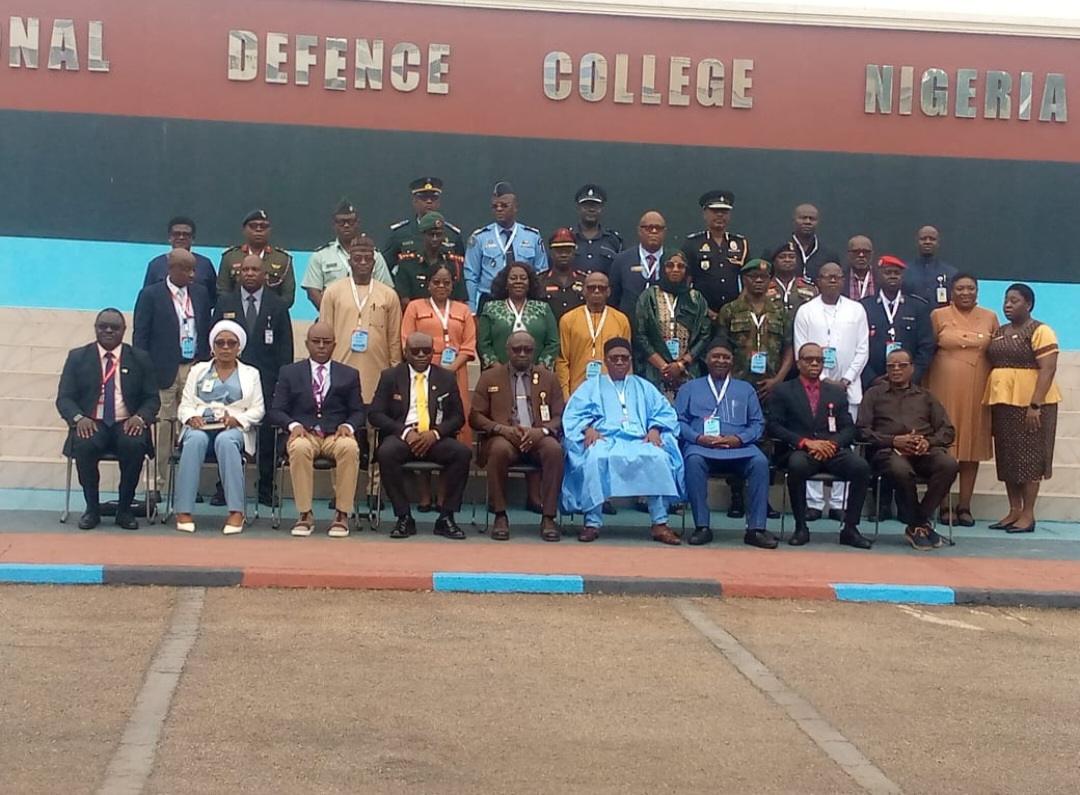
The Economic Community of West African States (ECOWAS) has emphasised the importance of training in closing capacity gaps in mission leadership and management, with a focus on equipping senior mission leaders to effectively plan, deploy, and manage multidimensional peace support operations.
During the opening ceremony of the ECOWAS Senior Mission Leaders (SML) Course 2026 in Abuja, Nigeria, ECOWAS Commissioner for Political Affairs, Peace and Security, Ambassador Abdei-Fatau Musah, represented by Acting Head of the Peace Support Operations Division, Dr. Sani Adamu said that, “The training is designed to build strategic-level capacities among participants from member states.”
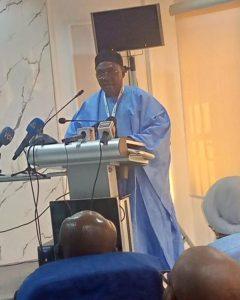
He stressed that strengthening leadership skills is essential to the success of future ECOWAS peace support missions.
Ambassador Musah explained that the initiative aims to enhance regional security, promote stability, and foster economic integration across West Africa. By equipping potential senior mission leaders with the necessary skills, ECOWAS seeks to ensure that peace support operations are better managed and more effective in addressing the complex challenges facing the region.
He further noted that the current ECOWAS management, in collaboration with regional authorities, has introduced transformative shifts by prioritising regional integration and funding social commitments.
According to him, “These efforts reflect ECOWAS’s broader vision of building resilience, strengthening governance, and ensuring sustainable peace and development in West Africa.”
He noted that the threats facing West Africa today are multifaceted, ranging from terrorism and insurgency to organised crime and political instability.
These challenges are not confined within national borders; rather, they spill across boundaries, undermining peace and stability throughout the region.
The rise of extremist groups exploiting fragile states such as Mali, Niger, and Burkina Faso highlights the urgent need for coordinated responses. Maritime piracy in the Gulf of Guinea and the growing menace of cybercrime further complicate the security landscape, demanding innovative strategies and stronger regional cooperation.
ECOWAS has demonstrated its commitment to addressing these pressing issues by accelerating the operationalisation of the Counter-Terrorism Force.
“This initiative is not only a military response but also a symbol of collective resolve among member states to safeguard their people. The success of this force, however, hinges on adequate resources, effective training, and intelligence-sharing mechanisms. By fostering unity and leveraging regional capacities, ECOWAS can ensure that its counter-terrorism plan remains dynamic, adaptable, and fit for purpose in the face of evolving threats.
“Beyond terrorism, other security concerns such as the proliferation of small arms, human trafficking, and electoral violence require equal attention. These issues, coupled with the humanitarian crisis in the Sahel where millions remain displaced, underscore the need for holistic solutions that integrate security with development,” he said.
Ambassador Musah’s call for synergy and collective planning reflects the broader ECOWAS mission: to build a secure and prosperous West Africa. By strengthening cooperation, investing in resilience, and prioritising human security, the region can chart a path toward stability and economic growth, ensuring a brighter future for its people
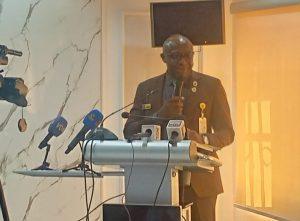
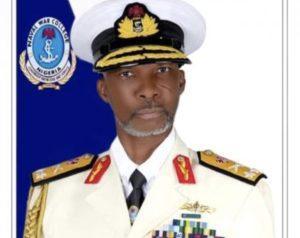
Earlier, the Commandant of the National Defence College (NDC), Rear Admiral Abdullahi Ahmed, represented by the Deputy/Course Director, Major General Kelvin Ukandu stressed that the West African region continues to grapple with complex security challenges such as terrorism, insurgency, transnational crimes, piracy, and unconstitutional changes of government.
According to him, these threats have repeatedly undermined peace and stability, often leading to political and humanitarian crises that demand the intervention of Peace Support Operations (PSO).
He noted that while PSO missions have recorded notable achievements, their effectiveness is frequently tested by the persistence of these threats, highlighting the need for strong leadership and well-prepared mission personnel.
“In this regard, the Senior Mission Leadership Course represents a vital platform for building the capacities of prospective mission leaders. Senior Mission Leaders play a central role in the planning and execution of PSO mandates, and their ability to lead effectively is critical to the success of such missions. By collaborating with the National Defence College, the ECOWAS Commission has demonstrated foresight in recognizing the importance of equipping leaders with the skills and knowledge required for pre-deployment responsibilities. This initiative not only strengthens individual competencies but also enhances the collective capacity of the region to respond to evolving security challenges,” he said.
He stated that as an ECOWAS Strategic Training Centre of Excellence, the National Defence College remains committed to supporting the Commission in hosting future events that advance peace and security across West Africa.
The College’s facilities and expertise provide a strong foundation for continuous training and professional development.
“Participants are encouraged to engage actively throughout the course, as their contributions are essential to its success. This opportunity is not only a step toward personal growth but also a collective investment in the stability and prosperity of the region,” he said.
The Course Director, Istitaus Zabadu, gave the course highlights.