

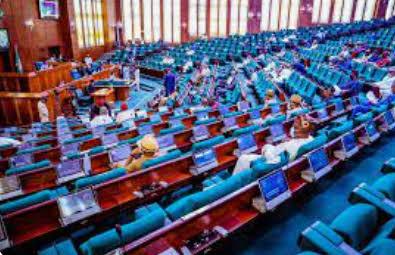
The House of Representatives says strengthening the Code of Conduct Bureau (CCB) Tribunal, and the Independent Corrupt Practices and Other Related Offenses Commission (ICPC) is crucial for combating corruption in the public sector and restoring Nigerians’ faith in governance.
The Speaker of the House of Representative, Mr. Abbas Tajuddeen made the disclosure at a public hearing on Bills seeking the amendment of the Code of Conduct Bureau and Tribunal Act held by the Committee, in Abuja.
He said that the Code of Conduct Bureau, the Code of Conduct Tribunal and the Independent Corrupt Practices and Other Related Offences Commission serve as watchdogs that enforce ethical standards among public officials, ensuring that public office is not used for personal enrichment to the detriment of the citizenry.
The Speaker stressed that, as democracy matures and the legal and governance landscape evolves, it is imperative to revisit the enabling framework guiding the institutions and strengthen them to meet contemporary challenges.
“As you are aware, corruption has had the most negative impact on our country’s development trajectory since independence in 1960. This is despite the existence of legislations that provided for anti-corruption agencies and empowered them to make every effort to ensure the eradication of this scourge from our society and guarantee that Nigerians enjoyed the benefits of their investments in democracy.
“The opportunity provided by this public hearing enables all of us to critically examine the proposed amendments and evaluate them against our collective national interest.
“We must collectively ensure that the amended Act fortifies our anti-corruption architecture, promotes quick and fair adjudication of cases, and sustains public confidence in the institutions mandated to uphold integrity in the public sector. Let us engage and dialogue for the good governance of our country.”
Public Integrity and Accountability
The Chairman, House Committee on Anti-Corruption, Mr. Kayode Akiolu said that the agencies have been making efforts to promote public integrity and accountability.
Mr. Akiolu emphasised that, corruption undermines development, erodes public trust, and weakens democratic institutions.
He said that, the the Code of Conduct Bureau, Code of Conduct Tribunal, and the Independent Corrupt Practices and Other Related Offenses Commission have long been frontline institutions in Nigeria’s efforts to promote public integrity and accountability.
He however noted that, over time, the legal framework governing these bodies has encountered various challenges that have hindered the effectiveness of their operations and, by extension, the fight against corruption.
He said, “These bills to amend the Acts are a necessary and timely response aimed at addressing identified gaps and weaknesses. Our objectives include enhancing the operational independence of these institutions, improving their investigative and adjudicatory powers, and ensuring that due process and fair hearing are respected in the handling of cases involving public officers.
“As members of the Committee on Anti-Corruption, we are fully aware that the success of this Bill depends largely on a comprehensive and transparent consultative process. That is why we have invited a broad range of stakeholders to share their insights, concerns, and recommendations. We are committed to incorporating your valuable inputs into the final version of the law to ensure that it serves both justice and national interest.”
On his part, the Chairman, Code of Conduct Tribunal, Mainasara Umar, said the proposed amendments will “collectively strengthen Nigeria’s anti-corruption framework by establishing a specialized, independent, and well-structured Court capable of ensuring swift and effective adjudication of Code of Conduct breaches.
“The reforms enhance transparency, reduce delays, and promote accountability in the public service. We urge the Committee to assist in fast-tracking the amendment process.”
The Bills include; “A bill for an act to amend the Code of Conduct Bureau and Tribunal Act, Cap. C15, Laws of the Federation of Nigeria, 2004, and other related matters. (HB. 275); A bill for an act to amend the Code of Conduct and Tribunal Act to remove spouse from the list of persons to declare their assets and for other related matters. (HB. 769) and “A bill for an act to amend the ICPC Act, 2004, to provide for compulsory counselling and training for convicts of corruption-related offenses and other related matters. (HB. 1574)”.