

By Glory Ohagwu, Abuja
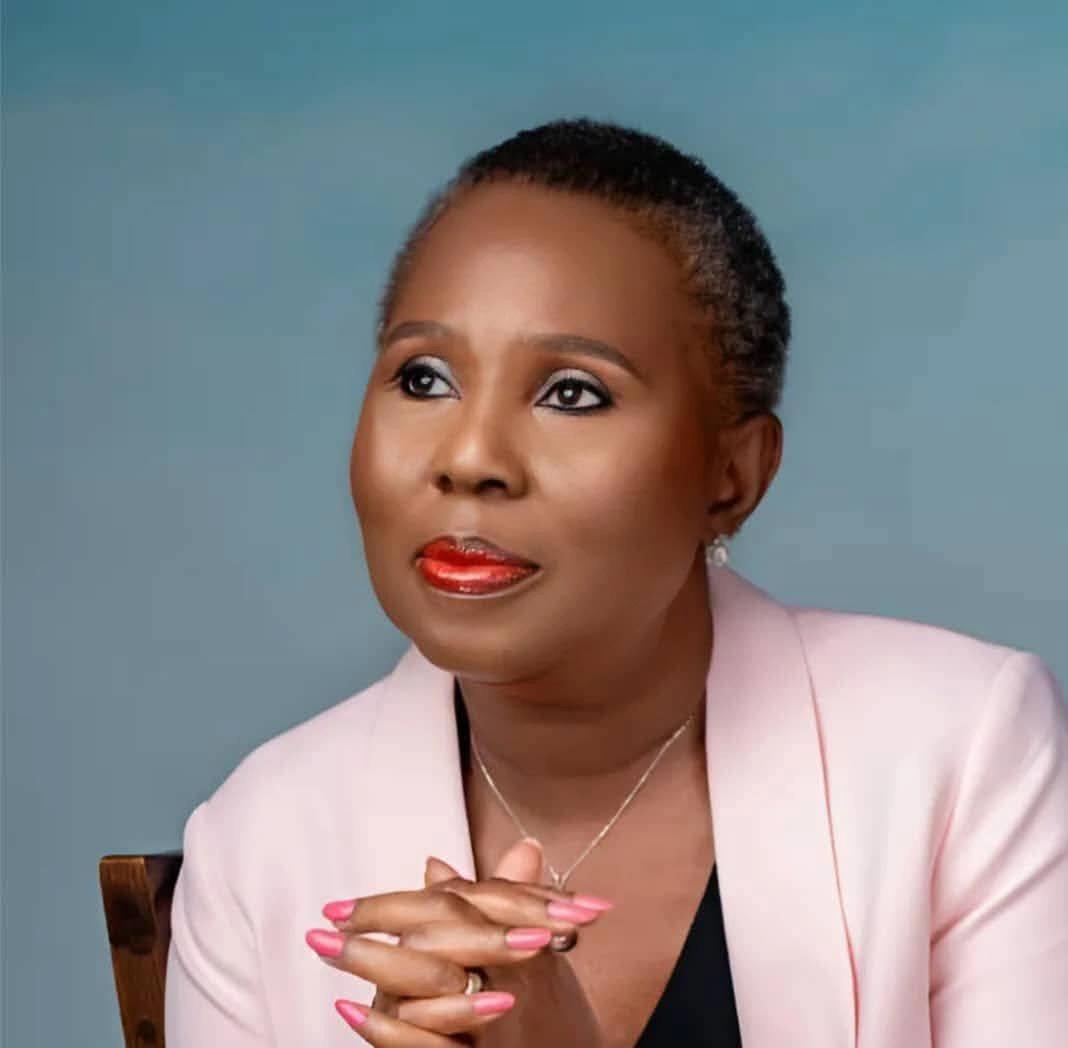
With the countdown to legislators’ vote for the Reserved Seats Bill, former Ondo State First Lady and women’s political advocate, Dr. Betty Anyanwu-Akeredolu, has said that the campaign for reserved seats for women in Nigeria’s National Assembly cannot succeed in isolation without deliberate structure, preparation, and strategy.
Commending the renewed mobilisation for the passage of the Reserved Seats for Women Bill, Anyanwu-Akeredolu said: “Reserved seats, in isolation, will not save Nigerian women in politics. Power, in politics, is never given. Power is taken. And taking power requires more than symbolic rallies or occasional protests; it requires structure, strategy, and sacrifice.”
Citing her personal experience during the March 2022 protests at the National Assembly, where women leaders including former First Lady Aisha Buhari and Dolapo Osinbajo, wife of the then Vice President, joined the push for inclusion, she recalled that despite high-profile interventions, the bill failed to pass.
“This sobering reality tells us one thing: the strategy we have relied upon is not working,” she said.
Capacity, Courage, and Readiness
According to the founder of the Betty Anyanwu-Akeredolu Foundation, since some are not naturally willing to yield political space, women must demonstrate competence, courage, and readiness to compel acceptance in the country’s political arena.
“When women show capacity, when they demonstrate competence, courage, and readiness, men have no choice but to shift. The world is changing, and the future is undoubtedly #FEMALE,” she affirmed.
She stressed the need to start early in preparing women for the 2027 elections by identifying competent aspirants across political parties and supporting them to build structures and alliances that can withstand the fierce competition of Nigerian politics.
“Politics in Nigeria is not for the faint-hearted. It requires planning, resilience, and resources… build structure, cultivate supporters, and prepare for the primaries,” she urged.
She emphasised that competent women across parties must first show genuine interest, then pursue mentorship, build alliances, and establish structures.
“Nobody wins primaries through sentiments; you win by strategy, networks, and groundwork that build a formidable structure,” she warned.
Learning from Global Examples
Anyanwu-Akeredolu pointed to global examples where reserved seats were complemented by deliberate grassroots mobilisation, citing Rwanda, Uganda, and Kenya as countries that have combined quotas with strategic preparation to raise the level of women’s representation.
“Grassroots mobilisation and deliberate grooming of women leaders have cemented their dominance… In Uganda and Kenya, reserved seats exist, but women still contest and win beyond those slots because structures have been deliberately built. Nigeria must learn this lesson: agitation for inclusion must go hand in hand with preparation for contest,” she said.
She also sounded a note of caution: “Shouting ‘reserved seats’ without simultaneously preparing women to win elections is like pouring water into a basket, it will not hold.”
She therefore urged a dual-track approach, combining continued constitutional reforms demand for reserved seats with simultaneously building a pipeline of women ready to contest and win elections under the existing system.
“This is the only way to ensure that women’s representation does not remain a hollow slogan but becomes a lived political reality,” she stressed.
Reserved Seats Bill Still A National Imperative
Campaigners, however, note that Anyanwu-Akeredolu’s advice does not diminish the urgency of the Reserved Seats for Women Bill, which seeks to create 182 additional legislative seats, 37 in the Senate and 145 in the House of Representatives and State Houses of Assembly, for four electoral cycles.
The Bill is seen as a corrective measure to redress historic imbalance, with women currently holding just an abysmal 4% of seats in Nigeria’s National Assembly.
Advocates maintain that greater women’s representation is not merely a matter of fairness but a catalyst for stronger governance, broader policy perspectives, and more inclusive national outcomes.
They argue that women’s voices in governance deliver multiplier effects across social services, education, health, economic reforms, and peacebuilding.
By ensuring women’s voices are no longer sidelined, the Reserved Seats Bill, combined with deliberate preparation and political structure could help rebalance power and reposition Nigeria’s democracy on a stronger, more inclusive foundation.
“My fellow women, I ask: are we ready to take power, or are we waiting for it to be handed to us? History will not forgive us if we fail to rethink our strategy, ” she added.
Confidence Okwuchi