

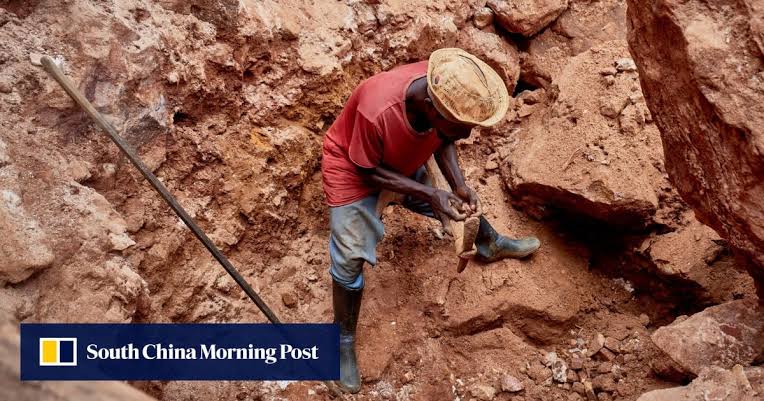
Rwanda and the Democratic Republic of Congo (DRC) are preparing to work with international partners, including the United States, to overhaul their mineral supply chains and pursue broad economic reforms.
The pledge is contained in a draft economic framework which forms part of a peace deal aimed at stabilising the region and attracting foreign investment.
READ ALSO: Rwanda Government to Accept 250 Migrants From U.S
A source familiar with the matter said both countries have agreed on the draft, which is now being reviewed by stakeholders such as the private sector, multilateral banks, and donor agencies. Congo and Rwanda are expected to meet in early October to finalise the framework before it is signed by their heads of state at a later date.
The 17-page framework follows a peace deal signed in Washington in June during talks hosted by U.S. President Donald Trump’s administration. That agreement sought to end years of fighting that have killed thousands while opening the door to billions of dollars in Western investment in a region rich in tantalum, gold, cobalt, copper, and lithium. The new draft builds on an outline reached in August, which calls for cooperation in areas including energy, infrastructure, mineral supply chains, national parks, and public health.
Neither Congo, Rwanda, nor the U.S. State Department responded to requests for comments.
According to the draft, the parties would commit to working with the United States and other international partners to develop regulatory initiatives and reforms “necessary to de-risk private sector investment cost-effectively.” These reforms aim to curb illicit trade, boost transparency, and improve conditions for investors.
The draft also proposes adopting outside oversight mechanisms, including the implementation of guidance from the Organisation for Economic Co-operation and Development (OECD). It further calls for third-party inspections of mine sites and the creation of cross-border special economic zones in partnership with the private sector.
To ensure progress, the framework sets out coordination mechanisms, including annual high-level summits on regional economic integration, steering committee sessions, and technical working group meetings.