


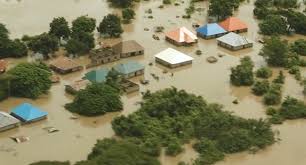
The Southern African Development Community (SADC) has mobilised its Emergency Response Team (ERT) to assist Mozambique and South Africa where weeks of intense flooding have caused widespread destruction, loss of life and major disruptions to essential services.
The deployment announced by SADC head of communication Barbara Lopi, marks the bloc’s most significant regional intervention since heavy rains began battering member states late last year.
The ERT will operate in both countries from 23 to 31 January, supporting national authorities with emergency response, early‑recovery planning, ongoing impact assessments and the development of a coordinated regional humanitarian appeal.
“These efforts aim to ensure an effective, coordinated and timely humanitarian response,” Lopi said, noting that the scale of the disaster requires sustained regional cooperation as conditions continue to evolve.
The ERT’s mandate includes assessing humanitarian needs, identifying gaps in national response capacities, and advising on targeted regional support.
The mission forms part of SADC’s broader disaster‑response framework, activated when member states face large‑scale crises.
Mozambique and South Africa have borne the brunt of the extreme weather, which has triggered river overflows, dam spillages, flash floods, and the inundation of low‑lying communities across the region.
By January 2026, more than one million people had been affected across several SADC countries, with Mozambique’s central and southern provinces – Gaza, Maputo, Sofala, Inhambane, and Manica – among the hardest hit.
The Mozambican government declared a Red Alert on 16 January as rising waters displaced communities and overwhelmed local response systems.
In South Africa, severe flooding in Limpopo and Mpumalanga provinces prompted the government to declare a State of National Disaster on 18 January following extensive damage to infrastructure and continued threats to public safety.
Lopi said the SADC Humanitarian and Emergency Operations Centre is coordinating closely with the United Nations Office for the Coordination of Humanitarian Affairs, the International Federation of Red Cross and Red Crescent Societies, the United Nations Disaster Assessment and Coordination and national disaster agencies to ensure a unified response.
AP