


The Nigerian Senate has commenced deliberations on the Factoring Regulation Bill 2024, designed to tackle the persistent issue of delayed payments that continue to hinder small businesses across the country.
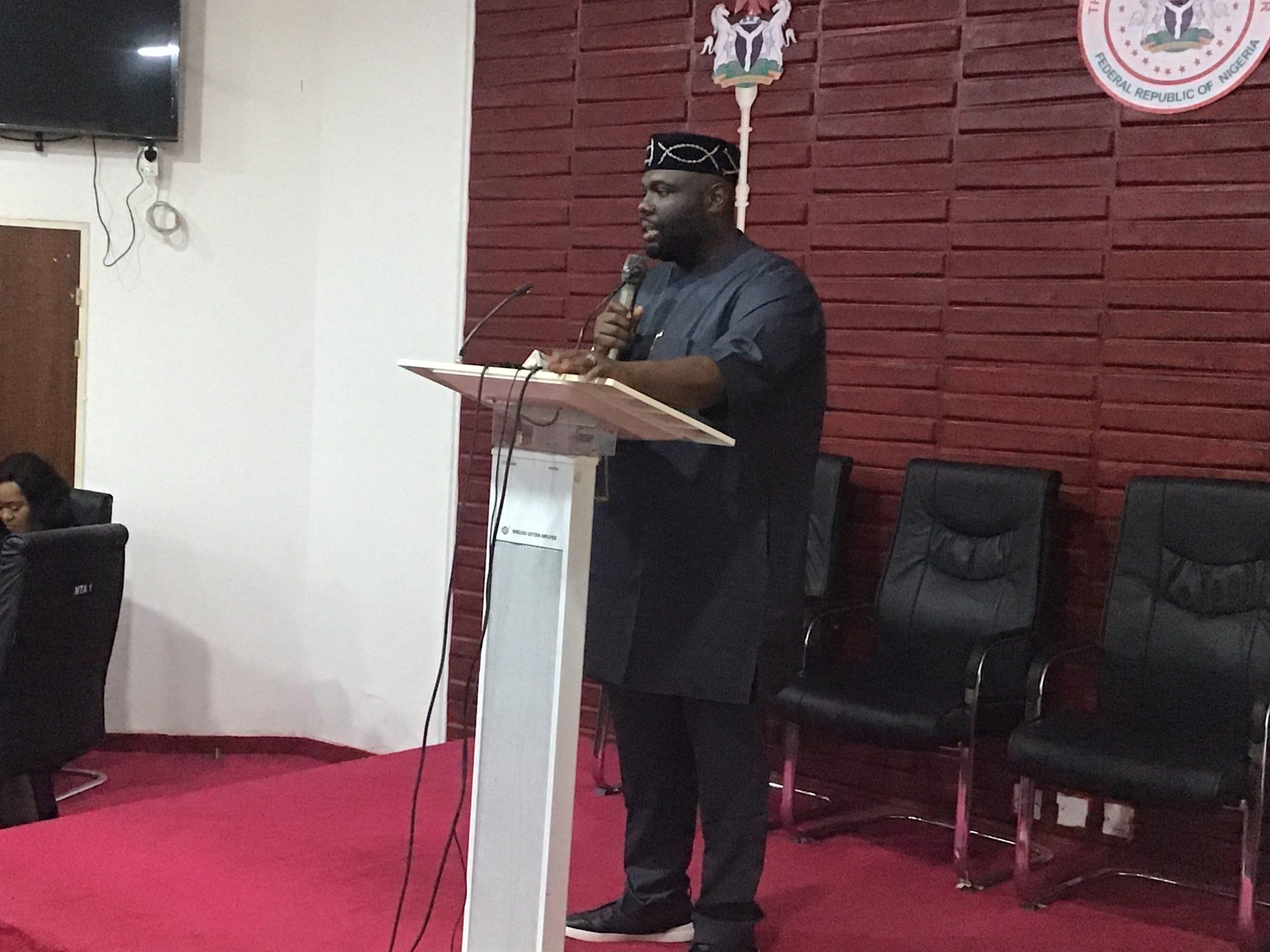
Leading the debate, Senator Asuquo Ekpenyong (Cross River South) underscored the bill’s potential to unlock over $1 billion annually for small and medium-sized enterprises (MSMEs) through the adoption of factoring.
He noted that MSMEs, the backbone of Nigeria’s economy, often face payment delays of 30, 60, or even 90 days after delivering goods and services, a situation that traps them in chronic cash flow difficulties.
“These delays,” he said, “limit their ability to pay workers, purchase raw materials, or take on new orders,” ultimately stifling business growth and productivity.
Senator Ekpenyong explained that factoring provides a practical solution by allowing businesses to sell verified invoices to licensed factors — such as banks or finance companies — at a small discount.
The factor, he added, “immediately pays most of the invoice value, often up to 90 percent, and later collects the payment from the buyer when it is due.”
“Mr President, distinguished colleagues, I rise today to champion a crucial piece of legislation that addresses one of the most pressing challenges facing our small businesses: delayed payments,” Senator Ekpenyong said.
Read Also: Lawmakers Renew Call for Development of Ibom Deep Seaport
He further explained that the bill seeks to establish a legal framework, safeguards, and transparency mechanisms for factoring to operate effectively and responsibly in Nigeria.
According to him, the benefits include:
- Faster access to cash for MSMEs
- Stronger inventories and timely payrolls
- Increased investor confidence in a transparent and well-regulated financial system
- Shorter cash cycles and reduced informality in business operations.
Citing international models, Senator Ekpenyong pointed to Mexico’s Cadenas Productivas programme and India’s online TReDS platform as examples of how factoring has transformed access to working capital for small enterprises.
He urged his colleagues to support the bill at its second reading, describing it as a “structural reform” that would empower Nigerian businesses to grow sustainably without resorting to high-interest loans.
“This bill is about giving our small businesses the freedom to breathe — to grow stronger and compete fairly in the modern economy,” he concluded.