


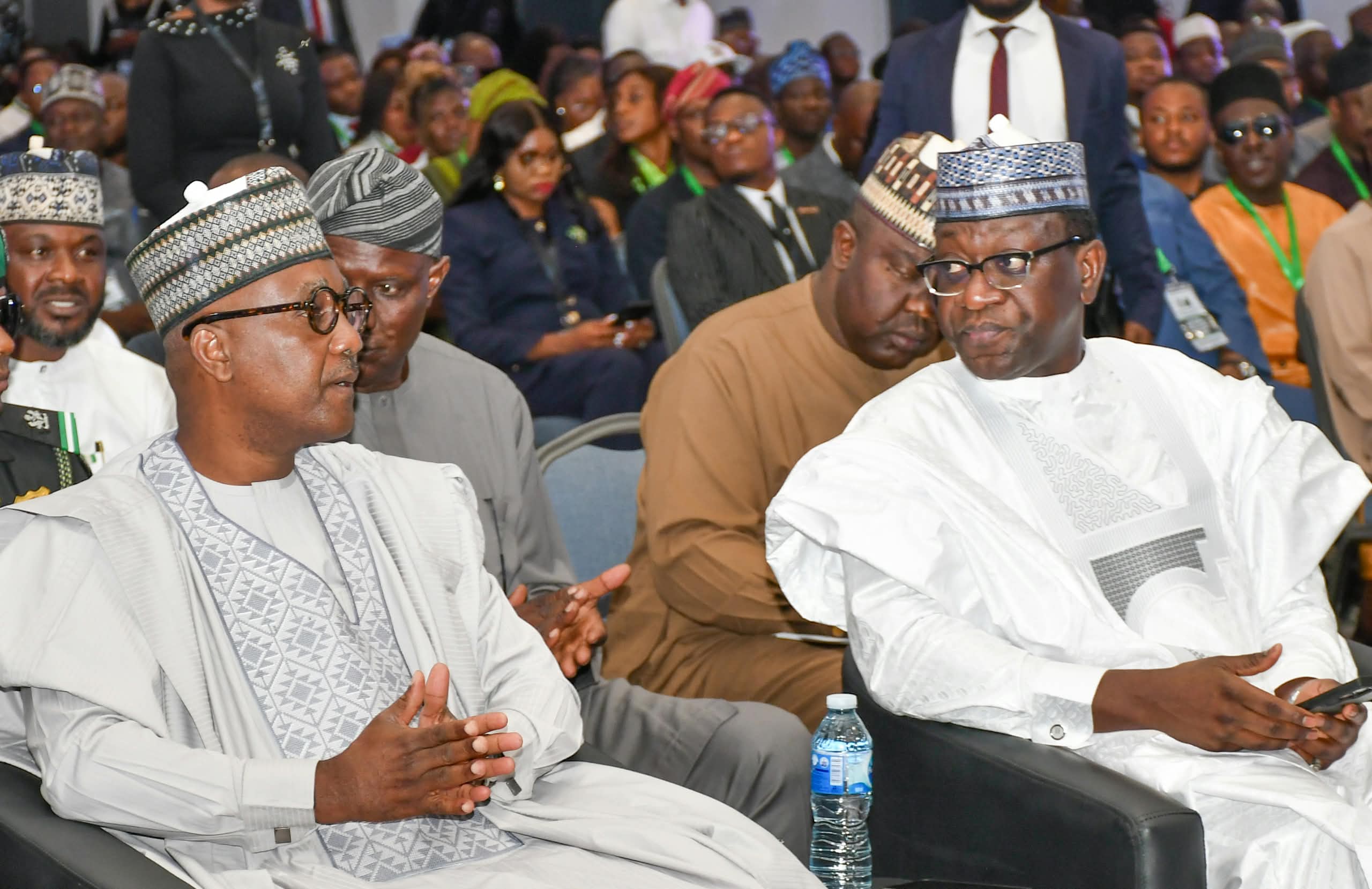
The Speaker of the House of Representatives Mr. Abbas Tajudeen has called for centralised and digitised real estate administrative systems that make processes less cumbersome for investors.
Speaker Abbas also called for a linkage between the digital identities of the owner and a property, and between the seller and the buyer.
The Speaker made the call in his keynote address at the stakeholders conference on the proposed National Real Estate Regulatory Authority in Abuja.
The stakeholder engagement, themed ‘One Vision, One Ecosystem, One National Housing and Real Estate Plan,’ was organised by the Office of the Speaker in collaboration with the House Committee on Housing and Habitat.
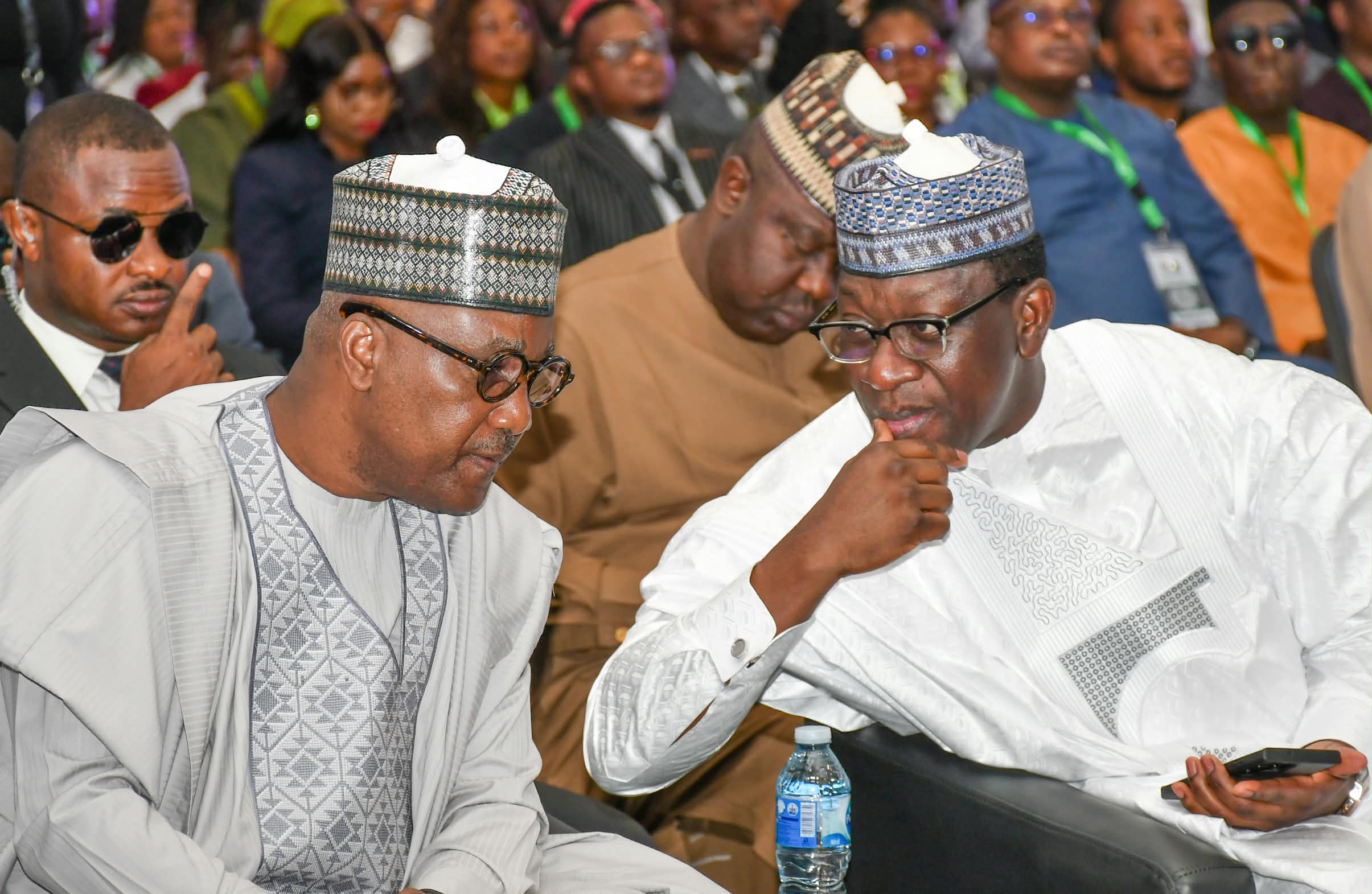
In the address titled ‘Building a Trusted and Investable Nigerian Real Estate Market,’ Speaker Abbas said, “Nigeria does not lack property. Nigeria lacks enough trust in property.”
READ ALSO: Speaker Abass Urges Reform Continuity, Legislative Stability
He added, “A buyer cannot always confirm who owns the land. A developer may spend years seeking approvals from offices that do not share information. A bank may reject a sound project because the title is difficult to verify. A family may commit its savings to a house that is sold twice, never completed, or never legally existed.
“These failures increase housing costs, discourage investment, and reward fraud. The purpose of regulation must therefore be clear.
“We are not here to create another agency. We are here to protect property, protect capital, and protect citizens. We are here to build a trusted market that attracts investment and delivers more affordable homes.”
Speaker Abbas stated that good regulation “is not a burden on honest business” but protection from dishonest competition.
He said, “We must also modernise title verification. Nigeria should develop Decentralised Identity Verification for Land Titles. This means connecting trusted records, not creating another isolated database‘.
“A secure digital identity should link each property to its state registry, survey, registered owner, planning status, and encumbrances. States would retain authority while common standards make verification possible across institutions.
“A title that cannot be verified cannot fully support credit. A market that cannot verify ownership cannot attract capital at scale.”
The Speaker stated that the first task is to treat real estate regulation as an instrument for protecting assets.
“For most families, a home is their largest investment. Developers commit substantial capital. Banks and pension funds need property assets they can trust. Yet, titles remain difficult to verify. Approvals are fragmented. Off-plan buyers lack adequate protection. Unqualified agents operate freely. Regulation must reduce these risks,” he said.
Speaker Abbas noted that the proposed National Real Estate Regulatory Authority should maintain a verifiable register of regulated developers, agents, and projects. He said buyers should be able to confirm an operator’s identity, licence, project approvals, and compliance history before making payment.
For qualifying off-plan developments, the Speaker said buyers’ funds should enter protected accounts and withdrawals should follow verified construction milestones.
He added, “A serious developer should not face endless approvals or rules that change without notice. Regulation must provide predictable timelines, transparent fees, and a clear appeal process.”
He therefore proposed a Legislative Sandbox Framework for PropTech.
The Minister of Housing and Urban Development, Mr. Muttaqha Darma, decried the lack of coordination among agencies and stakeholders in the housing sector, warning that fragmented policies and operations could undermine efforts to address the country’s housing challenges.
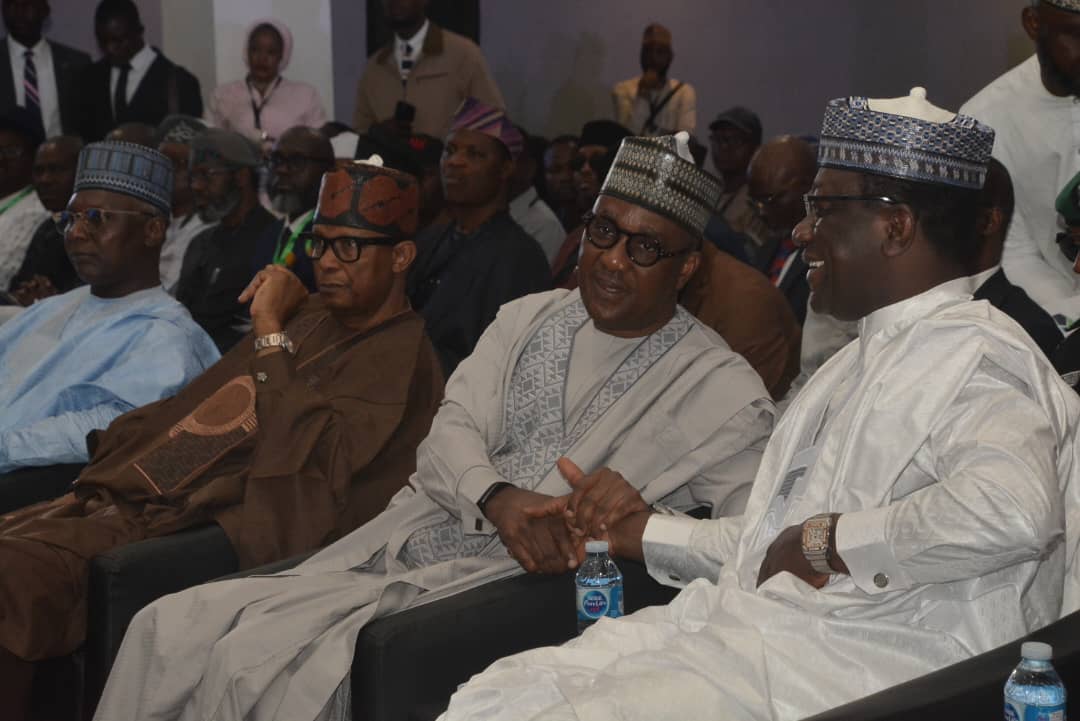
The Chairman of the House Committee on Housing and Urban Development, Abdulmumin Jibrin, said that the proposed authority will provide a lasting framework for the Housing sector without competing with state governments or existing players.
The Managing Director of the Ministry of Finance Incorporated, MOFI, Armstrong Takang, has warned that Nigeria’s ambition of building a one-trillion-dollar economy may remain unrealised without effective regulation of the real estate sector.
The proposed authority is expected to improve regulation and coordination among housing agencies, mortgage institutions and other stakeholders in the real estate industry.

