

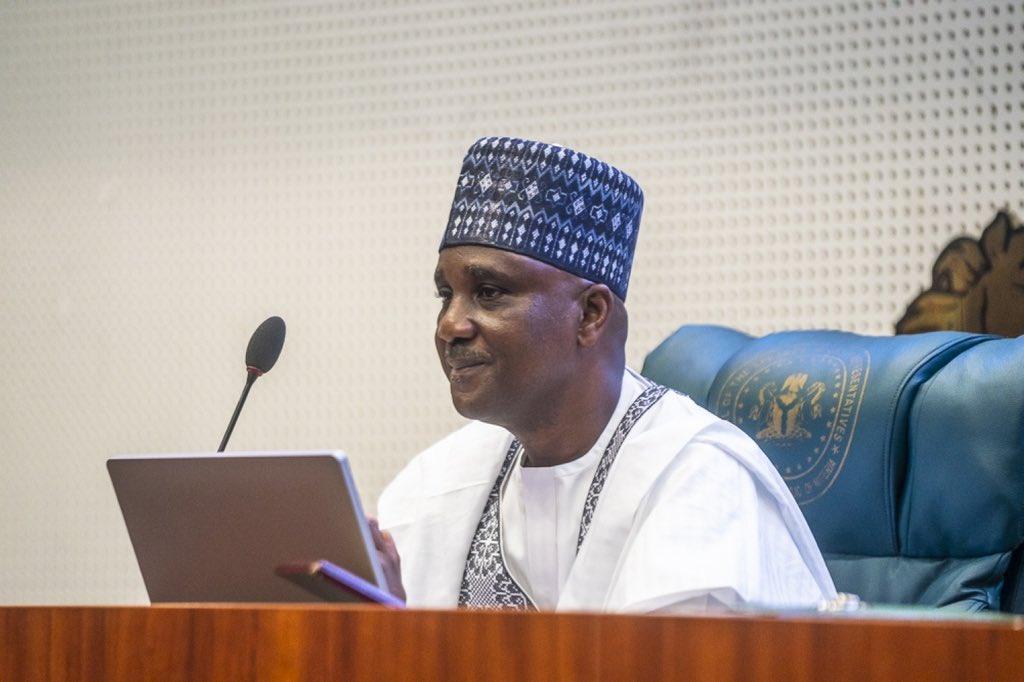
Speaker of the House of Representatives, Mr Abbas Tajudeen, says the National Assembly is committed to eliminating all forms of religious and racial discrimination to foster peaceful coexistence among Nigerians.
He gave the assurance on Monday while declaring open the 2025 Interfaith Legislative Roundtable Engagement organised by the House of Representatives in Abuja.
Represented by Deputy Speaker Mr Benjamin Okezie Kalu, the Speaker said the Roundtable builds on the global momentum of the Second Parliamentary Conference on Interfaith Dialogue held in Rome in June 2025, where over 100 countries, including Nigeria, pledged to defend democratic values and counter divisive rhetoric through interfaith collaboration.
According to him, the initiative is rooted in the conference communique, which emphasised proactive peace-building anchored on ethics, accountability, and solidarity.
“This Roundtable draws from those recommendations and seeks to localise them within the Nigerian context. It is instructive to mention also that the United Nations Alliance of Civilisations has reinforced these efforts, warning that the rising tide of online hate speech and the normalisation of dehumanising rhetoric present existential threats to democratic societies,” he stated.
“The House of Representatives is committed to combating all forms of religious and racial discrimination with equal urgency. In the light of this, the House, through this engagement, aims to identify legislative gaps, propose frameworks, and create tools that can meaningfully curb these threats while promoting civic education and peaceful coexistence,” he added.

Speaker Tajudeen said the initiative aligns with the Legislative Agenda of the House, which prioritises rule of law, dialogue, and inclusion, particularly for youth and marginalised groups.
“From hate speech regulation in digital spaces to faith-based education for tolerance, we aim to evolve policies that not only protect freedom of belief but also inspire a generation of responsible citizenship,” he said.
He also stressed the need to explore faith-based education as a strategic response to extremism and divisive ideologies, warning that misinformation, indoctrination, and poor civic awareness continue to fuel religious conflicts.
“Many of the vulnerabilities that breed religious conflict are rooted in misinformation, indoctrination, and poor civic understanding. By supporting reforms that integrate constitutional literacy, critical thinking, and peace studies into religious curricula across madrasas, seminaries, and faith-based schools, we can build a generation that is both spiritually grounded and civically informed,” he explained.
“Similarly, there is a need to enhance digital literacy among faith influencers and clerics, who now command significant followings online. Empowering them with responsible digital communication skills, content moderation ethics, and conflict-sensitive engagement strategies will help de-escalate online tensions and prevent the manipulation of religious sentiment on social media,” he added.
Speaker Tajudeen reaffirmed the House’s commitment to constitutional rights.
“No citizen should be discriminated against politically, economically or socially on the basis of his faith or persuasion. As a responsible House, we remain firmly committed to defending the Constitution and ensuring, through appropriate legislative actions and oversight, that this constitutional provision is enforced at all levels of governance,” he stated.
PIAK