

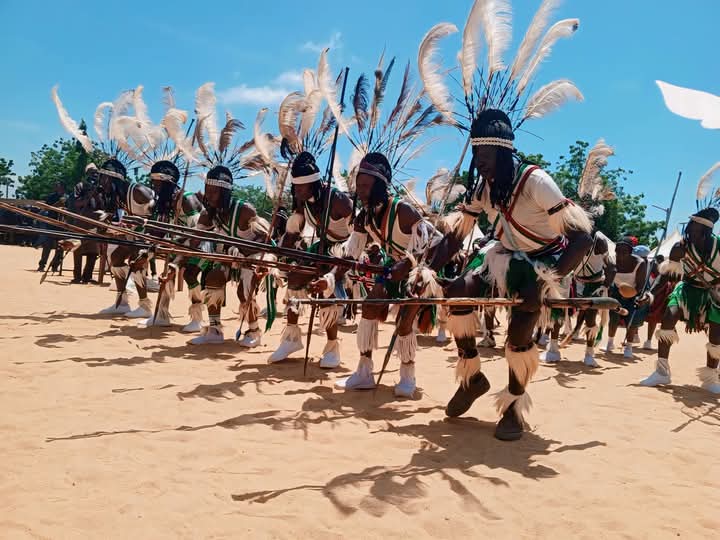
A political aspirant for Guyuk/Shelleng Federal Constituency, Mrs Golfa Mallim, has advocated the preservation of cultural heritage in promoting peace, tourism, and development in Adamawa state.
Mallim stated this in an interview with newsmen at the 2025 Sinmi-Lalama Cultural Festival in Guyuk.
She said promoting Adamawa’s cultural traditions would strengthen unity, attract investments, and enhance peace and development across the state.
Malim expressed appreciation to Gov. Ahmadu Fintiri and the World Ethnologue Organisation for correcting her tribe’s name from “Lunguda” to “Nungura.”
According to her, the correction restored historical accuracy and reaffirmed the cultural identity of her people, which had been misrepresented by early traders.
Mallim commended the government for its commitment to preserving cultural values through the revival of festivals, traditional institutions, and indigenous arts.
“The governor has worked closely with traditional rulers to strengthen unity, peace, and social harmony among the diverse ethnic groups in the state.
“Festivals such as the Njuwa Fishing Festival, Mbula Cultural Day, and Kilba Day have been revived to promote tourism and cultural pride.
“Other major festivals are; Sinmi-Lalama, Pulaaku, Bwatiye Kwete, Sukur, and Yandang, as symbols of Adamawa’s vibrant cultural heritage.
“Such events create economic opportunities for artisans, dancers, and performers while empowering youths and fostering community development,” she said.
The aspirant pledged to promote culture-driven leadership that united communities, empowered youths, and advanced peace and sustainable development in Adamawa state.
READ ALSO: Adamawa’s Fufore Emirate Inducts 16 New Council Members
Through these events, local artisans, dancers, and musicians are given the opportunity to display their talents, thereby preserving age-old traditions while creating avenues for tourism and economic growth.
She said the governor’s administration has also encouraged youth participation in cultural activities, ensuring that younger generations understand and value their roots.
During the 2025 Sinmi-Lalama Cultural Festival in Guyuk, Mallim had urged leaders at all levels to become passionate advocates for the preservation and promotion of the state’s diverse traditions and cultural assets.
According to her, embracing cultural heritage will fast-track community development, empower young people, and enhance Nigeria’s cultural visibility on the global stage.
She called on political aspirants to move beyond conventional campaign strategies and instead leverage the state’s cultural wealth to foster peace, unity, and social progress.
“Adamawa State is a land of deep cultural wealth, where traditions and festivals serve as both a reminder of identity and a bridge to the future. From the annual Sinmi-Lalama Cultural Festival in Guyuk every September to the famous Menjauli Dera Kanakuru to Njuwa Fishing Festival in Yola each March, our people celebrate history, art, and communal spirit,” Golfa said.
Highlighting other notable cultural events such as the Bwatiye Kwete Festival, Koma Hills Festival, Pulaaku Festival, Sukur Cultural Festival, and the Yandang Cultural Festivals, including Herra Yawhithi and Bhoki Tuka, Mrs. Mallim described Adamawa as one of Nigeria’s most vibrant centers of cultural expression.
Recognizing the importance of this cultural heritage, Mallim noted that her political vision centers on inclusive development through cultural promotion.
“Our culture is our greatest asset. It tells our story, binds us together, and reminds us of the values that unite us. By celebrating who we are, we can build peace, inspire pride, and open new economic opportunities for our youth,” she said.
Mallim acknowledged that the northeastern region has endured years of conflict and displacement, leaving many communities in need of healing and restoration.
She cited reports from UNESCO and global peacebuilding organizations emphasizing that preserving indigenous languages, traditions, and festivals reinforces social cohesion, gives voice to marginalized groups, and supports inclusive economies.
Building on this, she called on political leaders, traditional rulers, and cultural custodians to integrate culture into local governance and development planning.
According to her, such collaboration could attract tourism, create jobs, and strengthen peaceful coexistence in Adamawa and beyond.
She praised Fintiri for promoting the teaching of local languages and history in schools and investing in the renovation of cultural centers across the state.
” Recognizing and preserving our true identity is the first step toward preserving our culture,” Golfa Mallim added.
Mallim’s aligns her vision with UNESCO’s mission to safeguard intangible cultural heritage and promote peace through cultural diversity.
Foluke Ibitomi/UO