

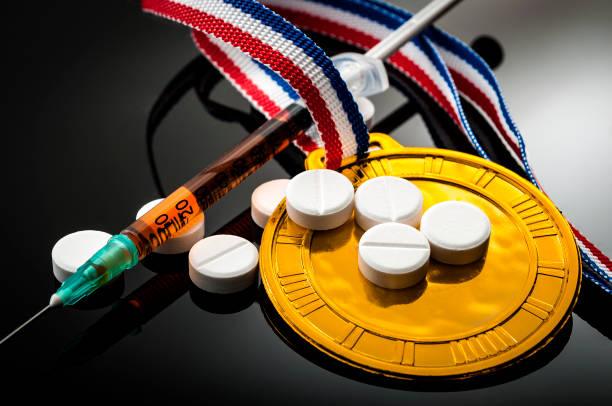
The proposed bill to establish the National Institute on Drug Awareness and Rehabilitation has received strong support from key stakeholders across Nigeria’s security, health, and drug administration sectors.
This development came during a public hearing organised by the Senate Committee on Drugs and Narcotics, chaired by Senator Ibrahim Dankwambo (Gombe North), on the 2024 National Institute on Drugs Awareness and Rehabilitation Bill (HB449).
According to Senator Dankwambo, over 34 individuals and organisations submitted memoranda and made presentations in support of the bill, underscoring the urgent national need to address the growing menace of drug abuse.
Military Voices Support
The Nigerian Army (NA), represented by Lt Col Majeri, a psychiatrist, endorsed the establishment of the institute, stressing its relevance in supporting research and rehabilitation efforts for victims of substance abuse.
“Given the experience of the Army in handling mental health issues, especially in conflict zones, it is essential that the NA is represented on the governing board of the institute,” Majeri noted.
Similarly, the Nigerian Navy representative stated that drug abuse among the youth contributes to widespread insecurity and deteriorating mental health, particularly in conflict-prone regions.
“We support the bill wholeheartedly and insist that military representation on the board is vital to guide strategic response,” the Navy official added.
Read Also: Africa’s Transformation Crucially Linked to Health Infrastructure – Experts
Civil Society and NGO Advocacy
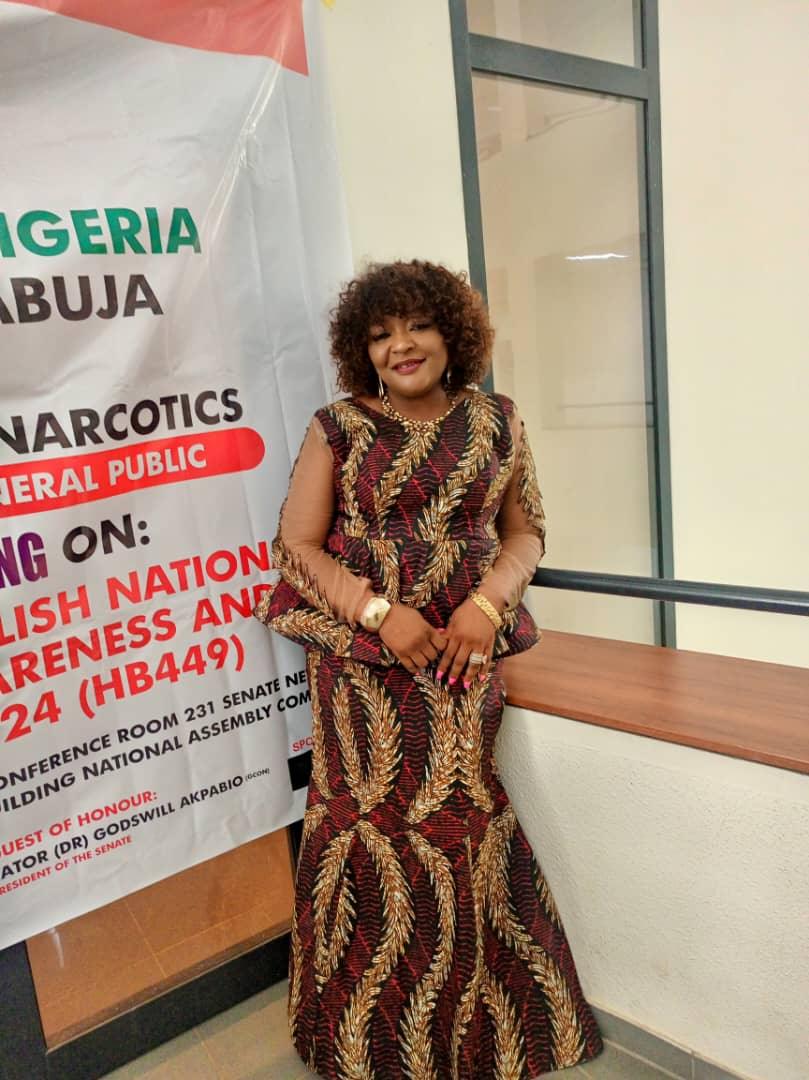
Dr Christabel Okoye, Executive Secretary of the National Association on Nigerian Drug Monitoring (NANDROM) and operator of a rehabilitation centre, gave one of the strongest endorsements for the bill. Drawing from years of field experience, she called the bill a transformative step for Nigeria.
“This will be the best thing to happen to Nigeria. So many youths are ‘gone gaga’. Violence and lack of focus are direct results of drug abuse,” she said.
She decried the severe shortage of rehabilitation centres, revealing that fewer than 200 functional centres serve a population of over 200 million.
“We need more—hundreds, even thousands. The current situation is inadequate, and this bill will provide the framework for scaling solutions,” Dr Okoye added.
NDLEA Raises Concerns
However, Mr Haruna, who represented the National Drug Law Enforcement Agency (NDLEA), expressed reservations, suggesting that existing institutions under NDLEA’s mandate were sufficient to handle awareness and rehabilitation functions.
In response, Dr Okoye clarified that the proposed institute would not duplicate the NDLEA’s work but complement it, especially as the new agency is expected to operate under the NDLEA’s supervision, according to clarifications made by Senator Ibrahim Hanga during the session.
“The NDLEA simply wants to avoid distractions, not oppose the bill outright,” she explained.
“When senators throw their weight behind such a cause, there’s a higher chance of dedicated funding and effective implementation.”
Legislative Assurances
In closing, Senator Dankwambo assured stakeholders that the 10th National Assembly, under the leadership of Senate President Godswill Akpabio, would give due consideration to the views expressed at the hearing.
“Your oral and written submissions will form a critical part of our deliberations as we work towards strengthening drug prevention and rehabilitation systems in Nigeria,” he affirmed.