

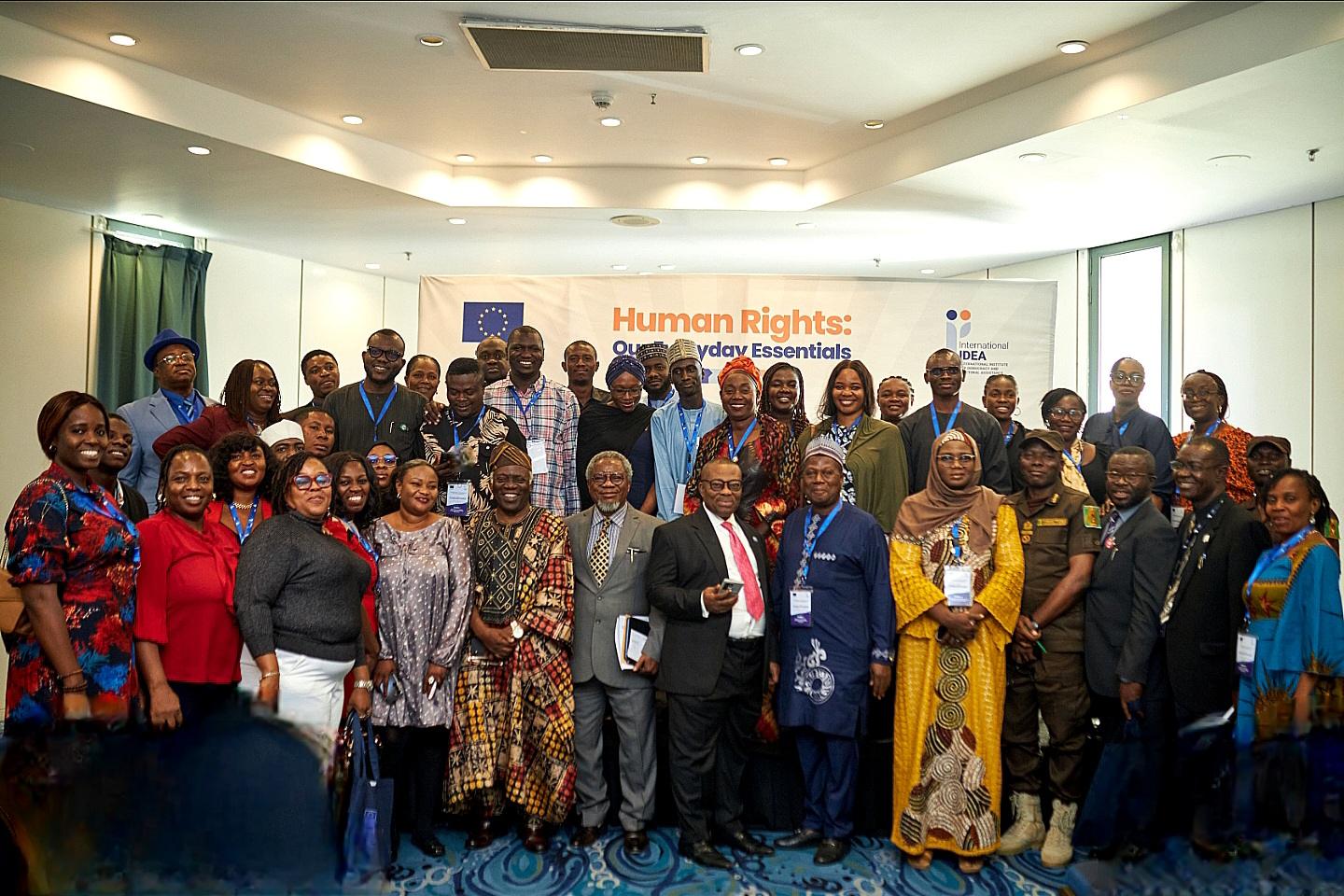
Stakeholders at an International Human Rights Day have called for transparency in Freedom of Information to safeguard the right of Nigerians.
The submission was made at a National Conference organised by the International Institute for Democracy and Electoral Assistance (IIDEA) in Abuja, under the EU-supported Rule of Law and Anti-Corruption (RoLAC) Programme, focused on advancing free expression and access to information.
In five panel sessions, spanning Legal Exceptions, Constitutional Tests and Judicial Responsibility, panelists highlighted persistent structural barriers, gaps in implementation, and the need for urgent policy reforms as pertinent in advancing the rights of Nigerians.
Submissions from Panel 1 warned that the Freedom of Information (FOI) Act’s extensive exemptions especially Sections 11 to 19 continue to limit transparency.
Representing the panel, Dr. Monday Ubani urged public officers not to treat official records as private assets: “People want to have information…We know how public officers were hiding information, believing it’s a private property… ”
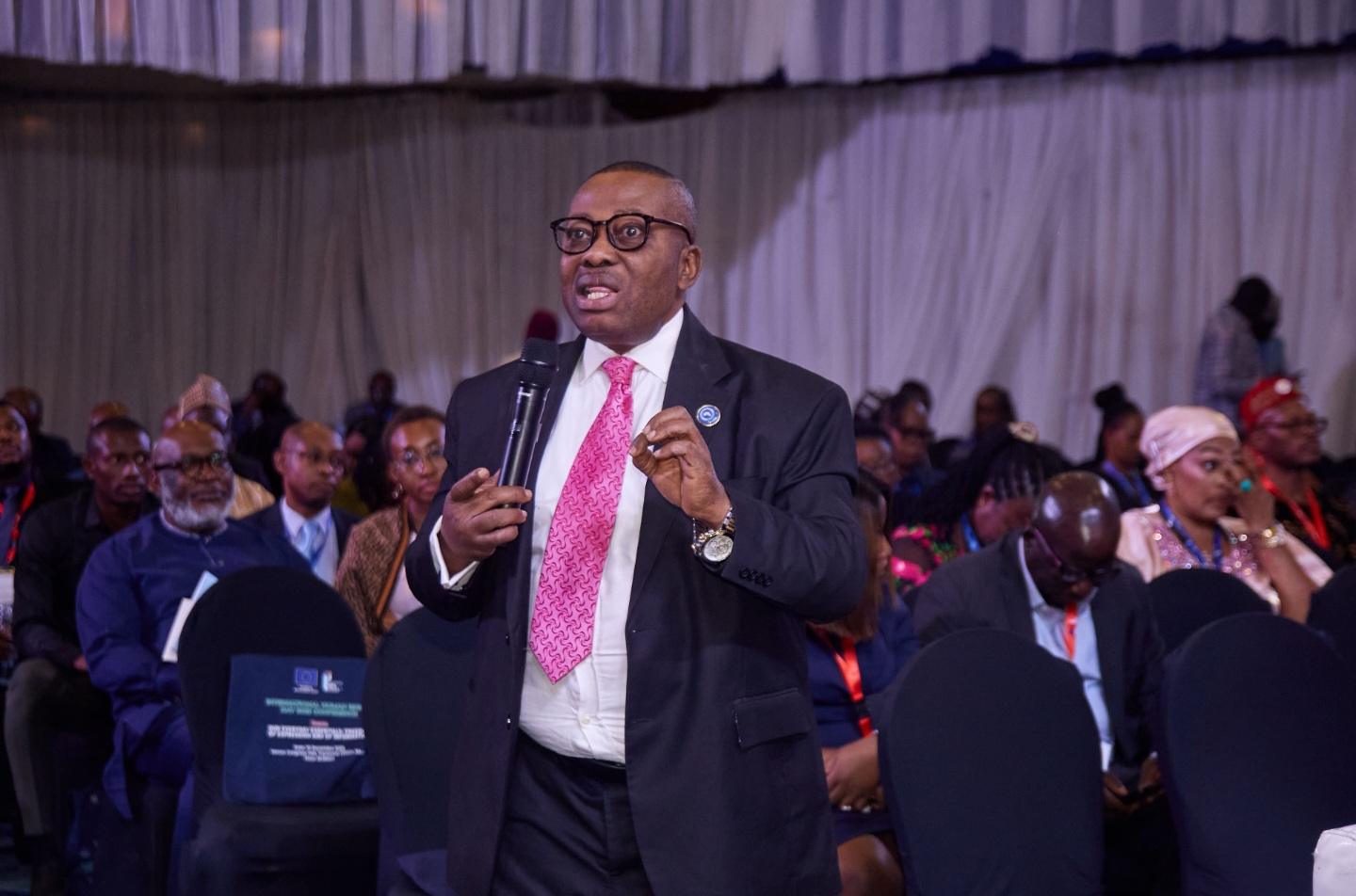
The panelists questioned the constitutionality of the FOI Act’s exemptions in light of Section 45 of the Constitution, which sets strict conditions for limiting rights.
They emphasised that any restriction must be “under a written law,” tied to grounds such as “morality, public safety, and… privacy, and reasonable in a democratic setup.”
According to Ubani: “These three-way test is the only thing that can make any judge to refuse to other information to be divulged… The judges must look at it.”
He stressed that government agencies must justify any exemption: “You must prove it. It must be in the public interest that you are denying public information… So the judges have a role to play.”
Legislative Review
The panel further called for legislative review and proposed an independent FOI Commission to improve compliance.
Panel 2 representative, Kenechukwu Agwu underscored the need for free, reliable legal information rooted in “Courage, balance, respect and knowledge,” arguing that “government needs to take responsibility for putting out information and not let citizens keep hunting for information…”
From Panel 3, Mrs. Maria Badeva emphasised sustainable nationwide rollout, starting with digitalised courts and top-down policy reforms: “…where courts and government printers etc., set a policy that there should be public access to legal information and a discussion on how we make it sustainable.”
Presenting submissions from Panel 4, Mr. Soji Apampa assessed FOI implementation, saying, “Our progress on the journey is still like two miles out of 10…”, though over 100 MDAs disclose information, this remains a small share of more than 1,000 MDAs.
He questioned physical-appearance requirements: “Those who are successful are those who know people who know people… why should that be the case?”
The panel proposed digital dashboards and commended President Tinubu’s growing political will: “This government appears to have some will…”
Panel 5’s Mr. David Ugolor, flagged cost barriers, legal complexities and the need for stronger citizen–government collaboration: “The current information act is difficult to use… they need to be reformed.”
He stressed technology’s value, information asymmetry and civil society capacity: “Civil society need to increase their capacity… particularly when they make a request that request need to be specific…”
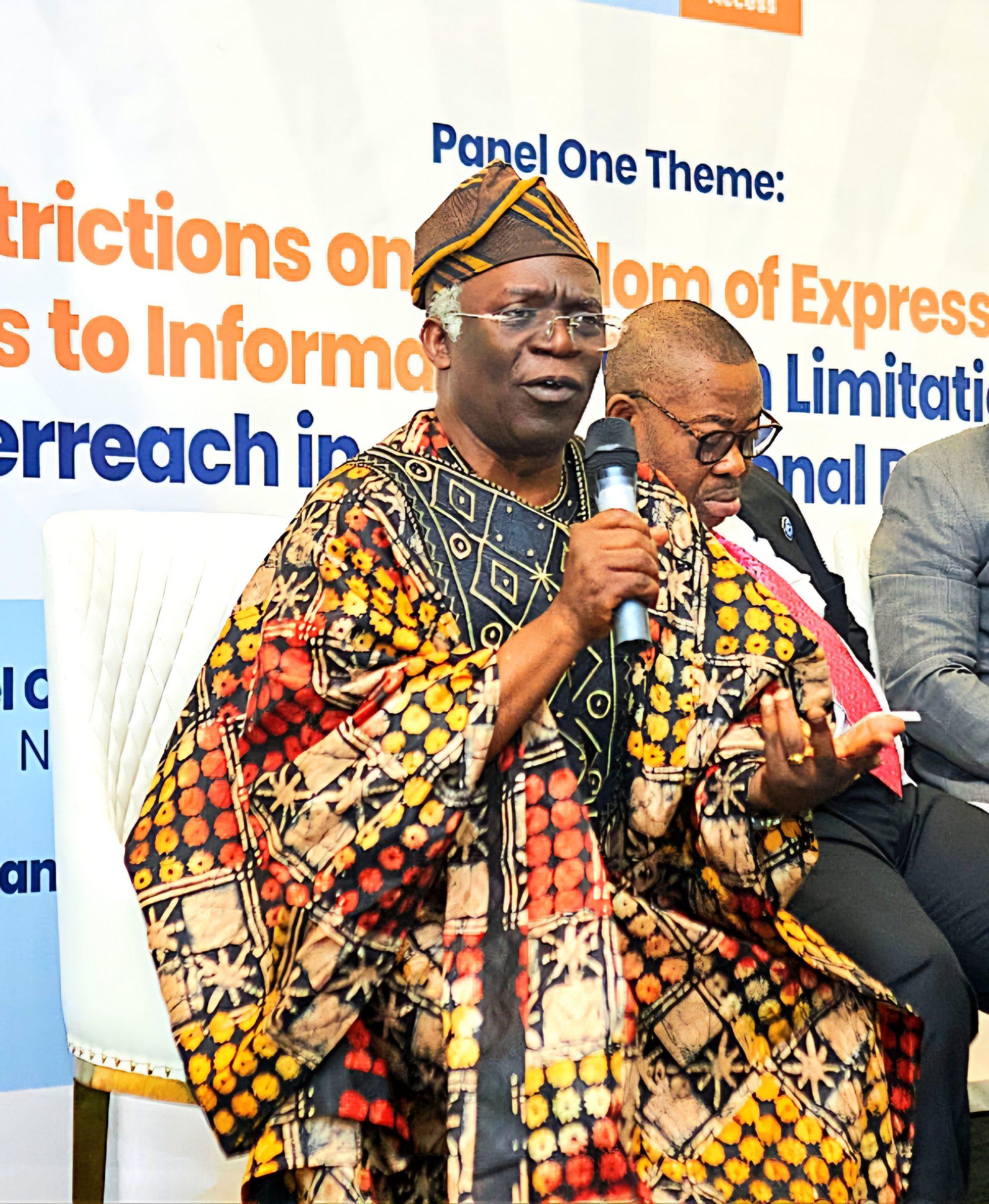
In an interview, Senior Advocate of Nigeria Femi Falana urged Citizens to use existing laws;
“Nigeria has made a lot of progress… but in terms of implementing… the government must educate our people to become aware of their rights.” He said.
He also emphasised citizens’ responsibility saying; “Nigerians themselves must begin to fight for the implementation of welfare laws… to fight poverty, to fight unemployment.”
Falana called on NGOs to deepen grassroots engagement: “We must now go out to the masses… and see how we can conscientise them… so that they can hold the government accountable.”
In attendance were stakeholders from civil society, the judiciary and the media, who examined the state of digital rights, justice-sector reforms and constitutional challenges under the theme “Our Everyday Essentials: Freedom of Expression and Access to Information.”