


Stakeholders have pledged to strengthen the digital safety of persons with disabilities as Nigeria joins the world to mark the International Day of Persons with Disabilities.
The commitments were made at a convergence in Abuja themed “Digital Inclusion, Safety, Access and Literacy: Amplifying Voices of Women with Disabilities in Peace and Security,” convened by the Federal Ministry of Women Affairs and Social Development in collaboration with SPRiNG Nigeria and the Network of Women with Disabilities.
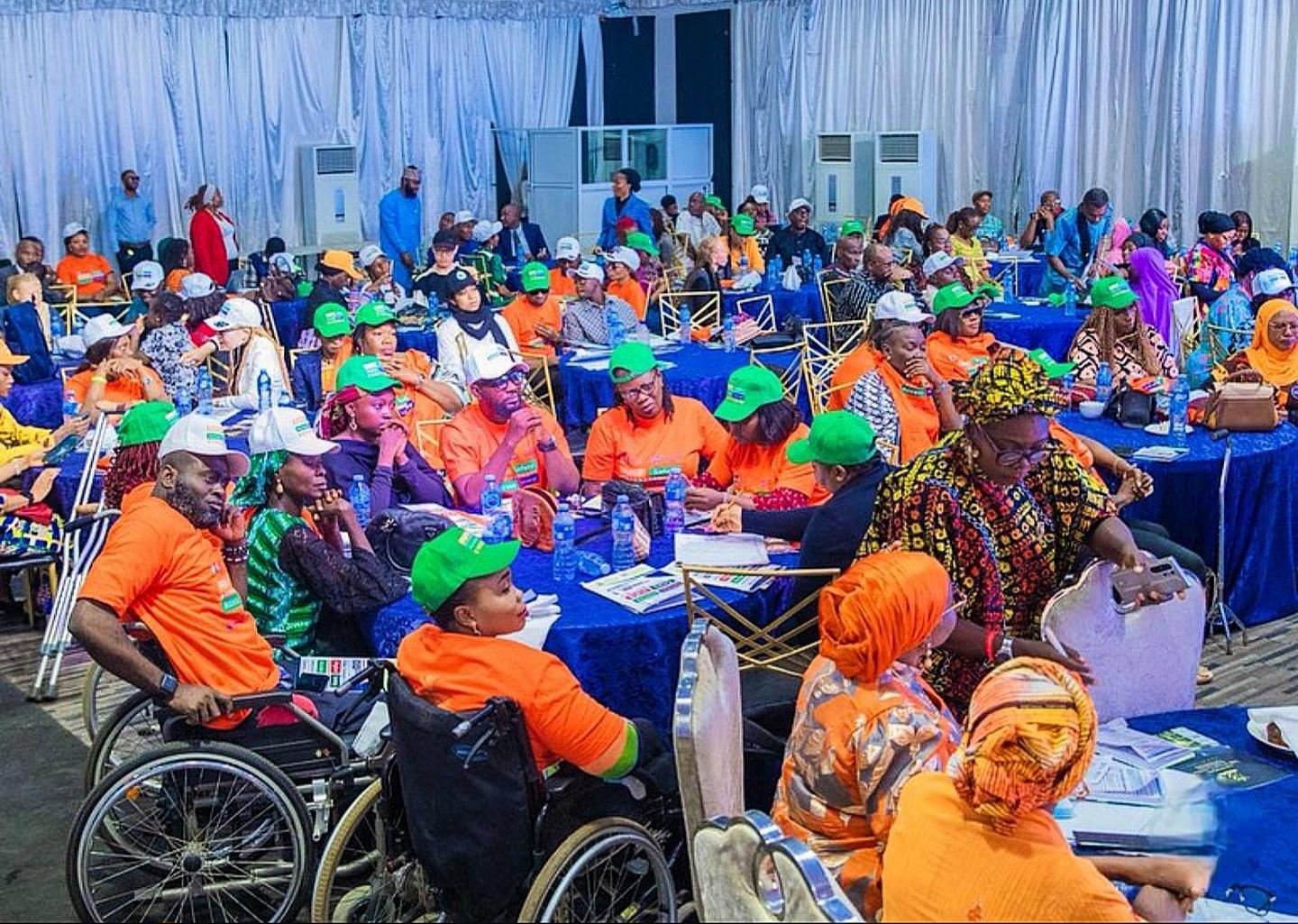
The dialogue brought together government officials, security agencies, legislators, humanitarian actors, and disability-rights advocates to address the rising threat of technology-facilitated gender-based violence (TFGBV), particularly against women and girls with disabilities.
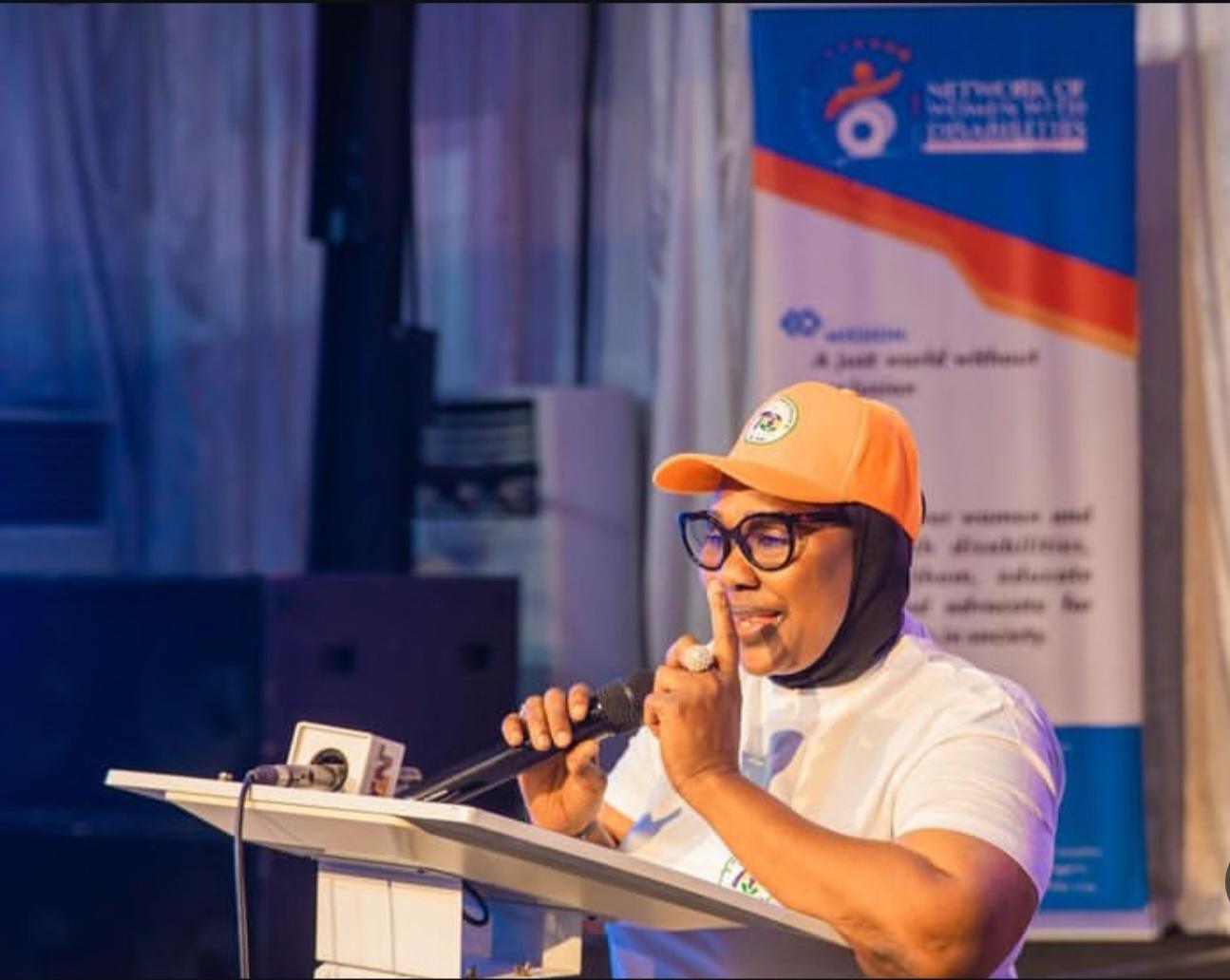
Speaking at the one-day multi-stakeholder policy dialogue in Abuja, the Chairman of the House Committee on Women’s Affairs, Hon. Kafilat Ogbara, called for stronger representation and structural support for persons with disabilities, urging inclusive policies and accessible systems across national institutions.
“There is so much ability in this room, I want to continue to encourage them, remain resilient, remain strong, we are working for them in the National Assembly”, she declared.
AIG Aishatu Abubakar Baju, Force Gender Advisor, reaffirmed the Nigeria Police Force’s commitment to protecting vulnerable populations.
She announced plans to revive the People Living with Disability Desk to provide targeted support. “I just want to assure you of the commitment of the Nigerian police to protect all Nigerians, especially the vulnerable ones amongst us, women, girls and boys and also our special people with determination,” she said.
On data privacy, Saratu Samande from the National Data Protection Commission underscored the need to safeguard the personal data of persons with disabilities.
She said women with disabilities, as sensitive data subjects, retain rights to access, erasure, consent withdrawal and objection.
“When citizens know their rights, your rights can’t be trampled.” She emphasised
From the FCT administration and humanitarian sector, Dr Dayo Benjamin-Laniyi, FCT Mandate Secretary, announced the forthcoming implementation of the Disability Act within the territory.
“I’m already working with the entire disability community right now. With the implementation, assistance, and intervention of the World Bank, we’re working on the implementation of the Disability Act for the FCT…” she said.
She added, “The FCT mandate on disability is full inclusion.Nothing about them, without them! If they’re not in the room, not on the table at the event where you’re discussing their cause, then it has not yet been engaged.”
Similarly, Deborah Manase, representing the Minister of Humanitarian Affairs and Poverty Reduction, stressed the urgency of strengthening protective safety nets for vulnerable women.
“Their lives matter, and the world must stop, think, and join in taking proactive measures,” she said.
From the peacebuilding community, Susan Uwakwe, representing the Institute for Peace and Conflict Resolution (IPCR), described the dialogue as “a necessary interruption of business as usual,” warning that excluding women with disabilities from digital spaces weakens the foundations of peace.
Representing the Executive Secretary of the National Commission for Persons with Disabilities (NCPWD), Esio Michael announced the unveiling of the National Disability Certificate of Compliance under the Discrimination Against Persons with Disabilities Prohibition Act, describing it as a new benchmark for inclusivity, peace and safety.
Communiqué
A communique read by Musa Muazu Musa, Acting Chairman, Arewa Disability Forum, observed that women and girls with disabilities face disproportionately high levels of online violence driven by digital exclusion and inadequate protective mechanisms.

Key gaps highlighted include weak data-protection awareness, insufficient legal frameworks addressing disability and digital GBV, and limited institutional capacity to respond to TFGBV.
To address these gaps, the communique called for intensive digital-safety awareness campaigns, enforcement of privacy protections, establishment of dedicated disability desk officers, deployment of voice-activated safety tools, capacity-building for justice and security institutions, disability-disaggregated data collection, and sustained advocacy for digital inclusion and justice.
The resolution reaffirmed a national commitment to building a society where “digital spaces, safety, access and literacy” ensure the full participation of women and girls with disabilities in peace and security, free from violence.
The theme of 2025 International Day of Persons with Disabilities is “Fostering Disability-Inclusive Societies for Advancing Social Progress.”
Olusola Akintonde