


Stakeholders in Nigeria’s gender and digital rights ecosystem have called for stronger legal frameworks, improved collaboration, enhanced digital literacy, and sustained public sensitisation to curb the rising incidents of Digital Gender-Based Violence (DGBV) in the country.
Speaking at a high-level breakfast dialogue and policy roundtable in Abuja, Dr. Osasuyi Dirisu, Executive Director of the Policy Innovation Centre, said “online engagement had become inevitable.”
The event focused on promoting survivor-centred justice, pushing for legal reforms, and strengthening awareness of rights and justice pathways.
Dr. Dirisu noted that this growing digital engagement makes online safety an urgent necessity.
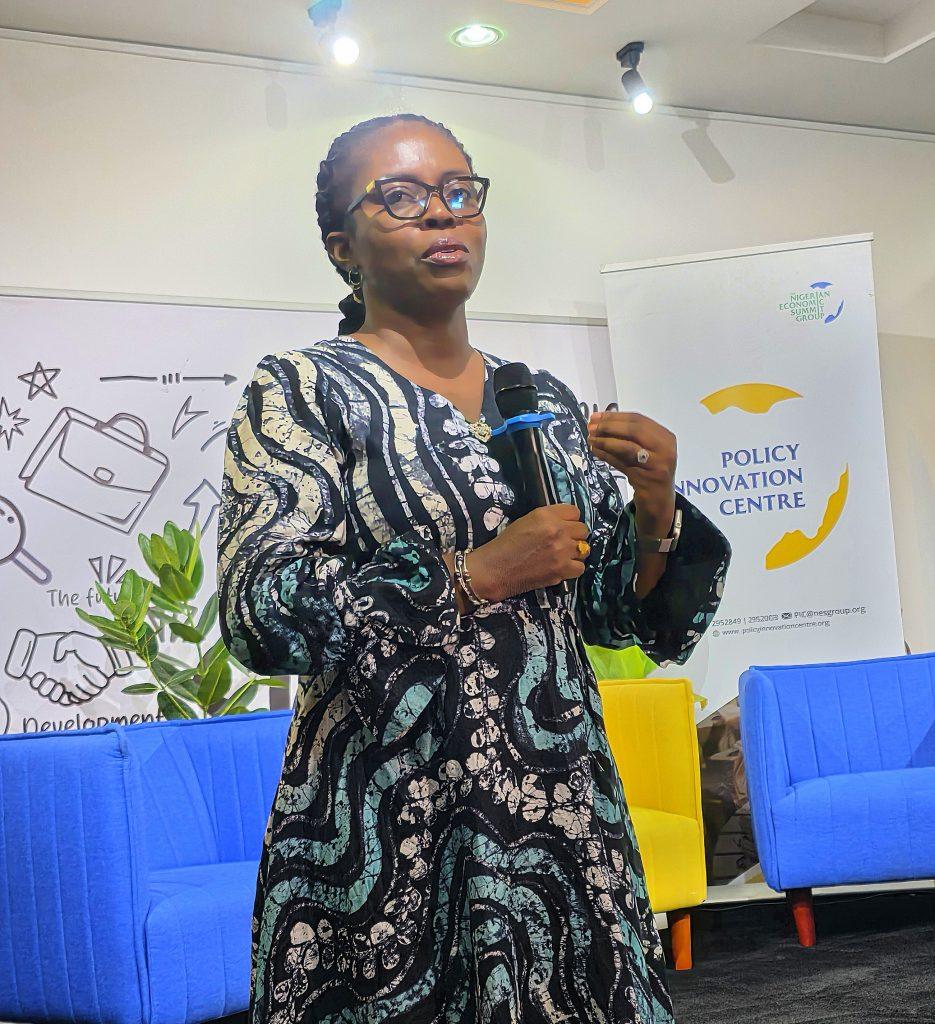
She said: “Because our lives are online, you can’t say I’m going to avoid the Internet, you have to engage. And in the process of engaging, you find out that you have to think about your safety.”
Recalling a research study on rape in crisis settings, she narrated the traumatic experiences of survivors in Borno, Adamawa and Yobe States and stressed the need for empathy.
“Gender based violence is traumatising, it’s an affront against human rights, and it’s something that at every opportunity we have we should continue to speak out… and ensure that we are the change that we want our society to be like,” she stated.
Making submissions during a fire side chat, Mr. Olusegun Medupin representing Youth Hub Africa, identified critical gaps in the legal and institutional response, particularly within the VAPP Act.
Medupin said: “The law and the institutional framework are somewhere down here, while the rate and the rate of advancement at which this is perpetrated is somewhere up there… These gaps are what we have to bridge.”
He warned about the dangers of AI-generated harmful content and pledged civil society action:
“Our organisation has… a formidable online audience and we will ensure that key messages reach them around access and safety online,”Medupin said.
On collaboration, Mrs. Evelyn Madu representing the Federal Ministry of Women Affairs & Social Development emphasised sustained public education.

She said: “We as government will continue sensitisation… even in the schools, in higher institutions, in the marketplaces, so that everyone will be abreast of what is happening in society.”
From Tech-Her Africa, Mr. Peter Akinosi stressed the need for intentional design, digital literacy and forward-thinking regulation.
He said: “Safety should be a design principle… digital literacy is more about reducing risk… and we must recognise that a lot of technological tools were not originated from Nigeria or Africa.”
He added four priority actions: “research… public education and advocacy… response… and multi-stakeholder engagement.”
Also Media professionals highlighted the role of journalists in reshaping online safety culture, saying “Digital laws, digital etiquette, safe digital use must be infused into information, news and programmes… education has to find an intersection in entertainment to educate this Gen Z…”
Participants agreed on key takeaways, including early education on consent and boundaries, bringing men into prevention efforts, demanding accountability, equipping girls with information, and driving community-level change consistently.
The Open Town Hall conversation was a Post-Gender and Inclusion Summit 2025 event, organised by the Policy Innovation Centre, in commemoration of the 2025 16 days of activism against gender based violence themed “UNiTE to End Digital Violence Against All Women and Girls”