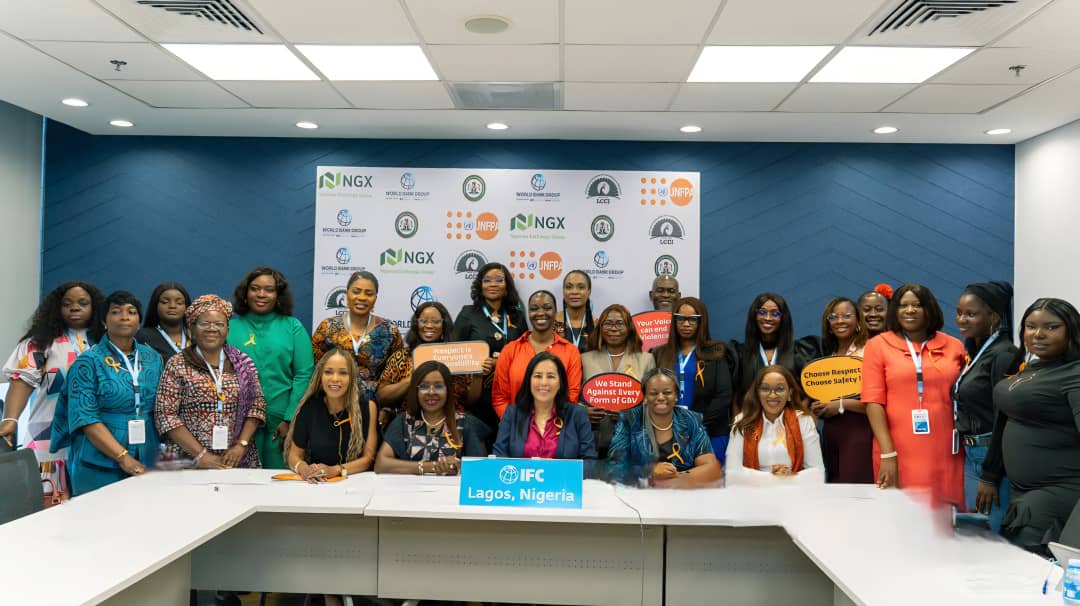
Stakeholders across development institutions, civil society, and the private sector have proffered solutions to end gender-based violence (GBV) in Nigeria, insisting that stronger systems, better coordination, and sustained funding are essential to achieving measurable progress.
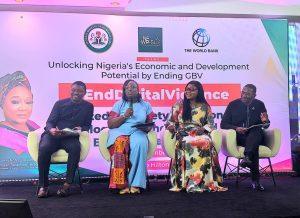
Their positions emerged at a high-level panel on “Integrating GBV Response into Nigeria’s Development Agenda: Systems, Synergies, and Solutions”, where they warned that GBV remains both a human rights crisis and a major constraint to national development.
At a National Dialogue marking the close of the 16 Days of Activism Against Gender-Based Violence, themed “Unlocking Nigeria’s Economic and Development Potentials By Ending GBV”, moderator and economist Ayodele Fashogbon noted that prevalence remains alarming, with “one out of four, one out of five women in Nigeria” experiencing violence due to weak systems that continue to limit progress.
Founder of the Women At Risk Foundation, Dr Kemi Da-Silva Ibru, highlighted Nigeria’s demographic realities, noting that women make up half of the population and dominate 70% of the informal sector, yet remain under-represented in leadership.
She warned that the economic cost of GBV is enormous. “Nigeria loses an average of 2% of our national GDP… about $9 billion lost as a result of gender-based violence,” she said.
On the VAPP Act, Dr Bukola Shonibare of Invictus Africa disclosed that although all states except Kano have domesticated the law, “50.7% of Nigerians are not aware of the VAPP law,” and only “29% of those who know about the VAPP law know its contents.”
She noted that the Act criminalises 26 offences and corrected gaps in older legislation, which recognised only penile-vaginal rape. “If people don’t know the law, they cannot use it,” she said, adding that enforcement remains weak.
Speaking on Sexual Assault Referral Centres (SARCs), Dr Rhoda Robinson of HACEY Health Initiative stated that Nigeria’s “48 SARCs across the country” remain insufficient for 774 LGAs.
She warned that inconsistent services, understaffing, and a lack of dedicated funding undermine their effectiveness. “When we are developing SARCs, state ownership must be heavily promoted… We do not want a situation where the only service they can provide is based on how much they have,” she said.
UNFPA Deputy Representative Koesan Kwawu emphasised the need for a “whole-society approach,” noting inconsistent implementation due to conflicting community norms.
“We need to have a consensus… and consistent application of the law,” he said, adding that workplace GBV policies must be integrated into organisational culture. “Any law… that is not funded is as good as not having them at all.”
Earlier, World Bank Country Director Mathew Verghis described GBV as “a fundamental violation of human dignity and human rights that causes lifelong harm” and “a key barrier to women’s equal participation and advancement in the labour market.”
He said the Bank’s new Gender Strategy prioritises prevention and response, with Nigeria among 16 fast-track countries implementing an integrated intervention model.
“Let this gathering be more than a ceremony… Let it be a pledge to ensure that every girl can walk to school without fear, every woman can pursue her ambitions without harassment, and every community can thrive free from violence,” Verghis said.
The hybrid National Dialogue was organised by the Federal Ministry of Women Affairs and Social Development in collaboration with the World Bank.