


In commemoration of the 2025 World Humanitarian Day, Non State actors in Nigeria have called for stronger solidarity and support for vulnerable populations across the country.
Speaking to Voice of Nigeria, they posit that humanitarian assistance must extend beyond emergency relief to long-term recovery; recommending disaster preparedness, psychosocial support, education, healthcare, and livelihood empowerment.
They also emphasised that collaboration between government, NGOs, international partners, and local actors are key to restoring dignity and building resilient communities.
Country Director of Action Against Hunger (ACF), Thierno Diallo, urged stronger global and national solidarity to tackle hunger and malnutrition in Nigeria, stressing that displaced families and vulnerable children face a worsening crisis.

“Every day is World Humanitarian Day for us, because every day we are in the field, close to those mothers whose children are severely malnourished, and the next day they can see their life improved,” he said.
Diallo emphasised that the fight against hunger cannot be won alone, but requires collective action with government, civil society, and international partners.
“We do everything alongside the government of Nigeria, including the United Nations, our other fellow international and national and local organisations, for a collective action to end hunger, because no child should die caused by any preventive, anything that we can prevent, including hunger, diseases, or severe or even moderate malnutrition.
“Today, solidarity is at stake — needs are increasing while funding is decreasing. My call is for the world to come back to our solidarity, because this is who we are as humans, and we must ensure no one is left behind,” he appealed.
The Founder of the Helpline Social Support Initiative, Jummai Ahmadu, said the commemoration should inspire action at home.

“This year’s World Humanitarian Day reminds us that solidarity is not just a word, it is a lifeline. In Nigeria, millions still face challenges of displacement, poverty, hunger, and lack of access to basic healthcare and education,” she noted.
She emphasised that humanitarian assistance must go beyond emergency relief urging investment in disaster preparedness, healthcare, education, and livelihoods.
“By working together — government, civil society, and individuals — we can ease the burden of widows, orphans, and vulnerable families, and build communities of dignity and hope,” Ahmadu said,
Also speaking, Gender Advocate, Ene Obi underscored the plight of internally displaced persons across the country.
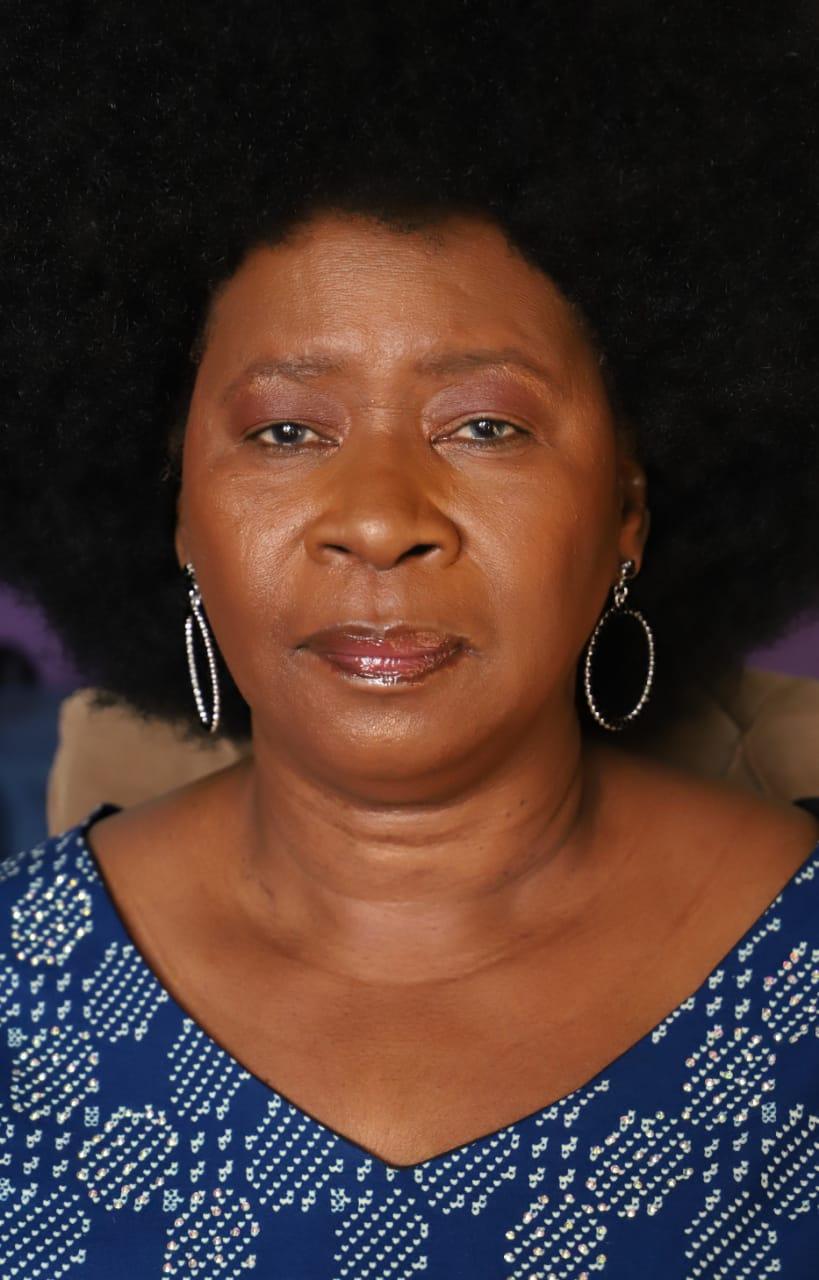
“Nigerian governments and Nigerians should remember the women, children, girls, boys, and men in IDPs across the country. They are suffering. Many children are dying of malnutrition…It is an emergency call,” she said.
A peace, Security and Justice expert, Dr. Paul Nyulaku-Bemshima wants State and non-State actors to deepen collaboration in tackling insecurity by jointly identifying its root causes, setting priorities with affected communities, and launching coordinated humanitarian initiatives with clear role mapping, joint monitoring, and inclusive approaches to ensure sustainable impact.
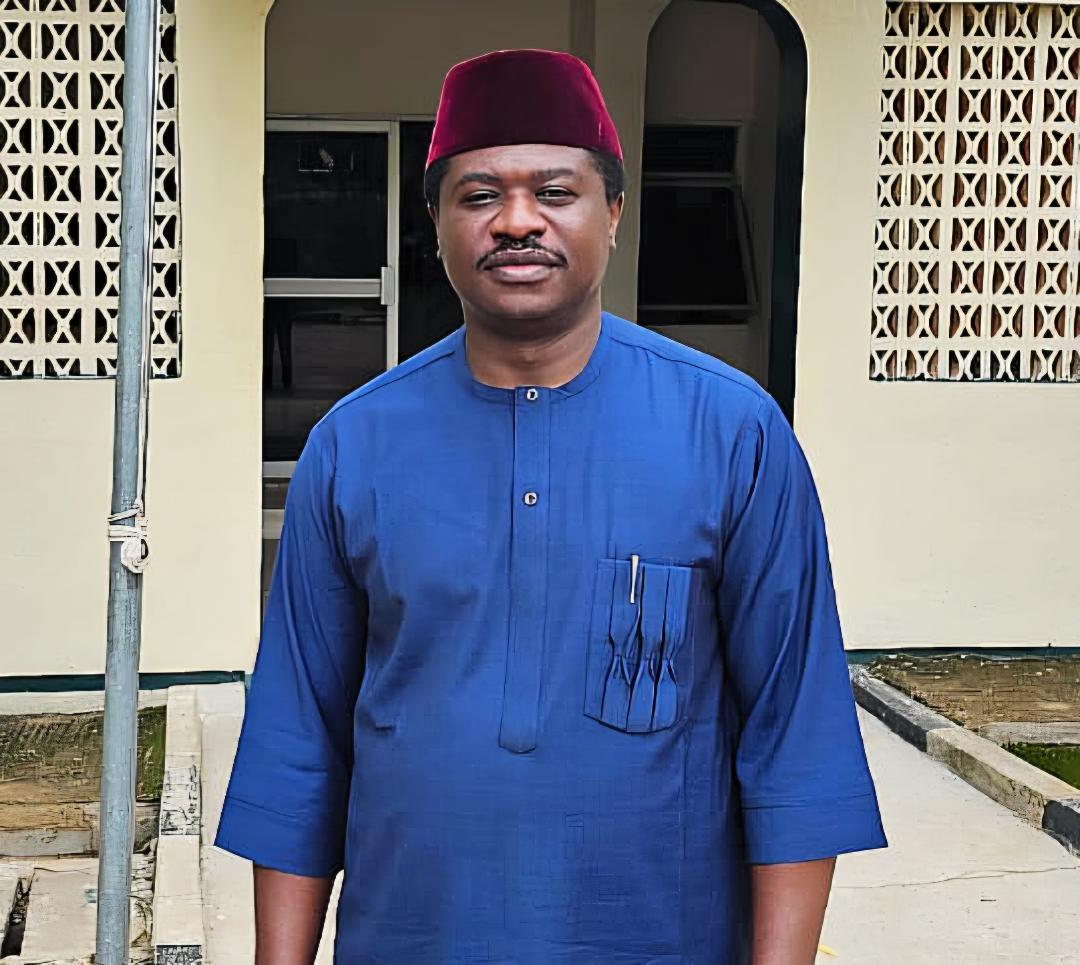
“Solidarity is not rhetoric; it is about state and non-state actors working together, complementing one another, and empowering communities to overcome insecurity and rebuild with dignity,” he said.
Meanwhile, Interim Country Director, CARE Nigeria, Jennifer Orgle while highlighting their lifesaving works across Borno, Yobe, Adamawa, Kogi, Niger, and Jigawa, stated that since 2017, the organisation has strengthened state institutions, empowered women-led groups to lead in crisis response and reached hundreds of thousands with food security, nutrition, gender-based violence (GBV) prevention, protection, and WASH services, while
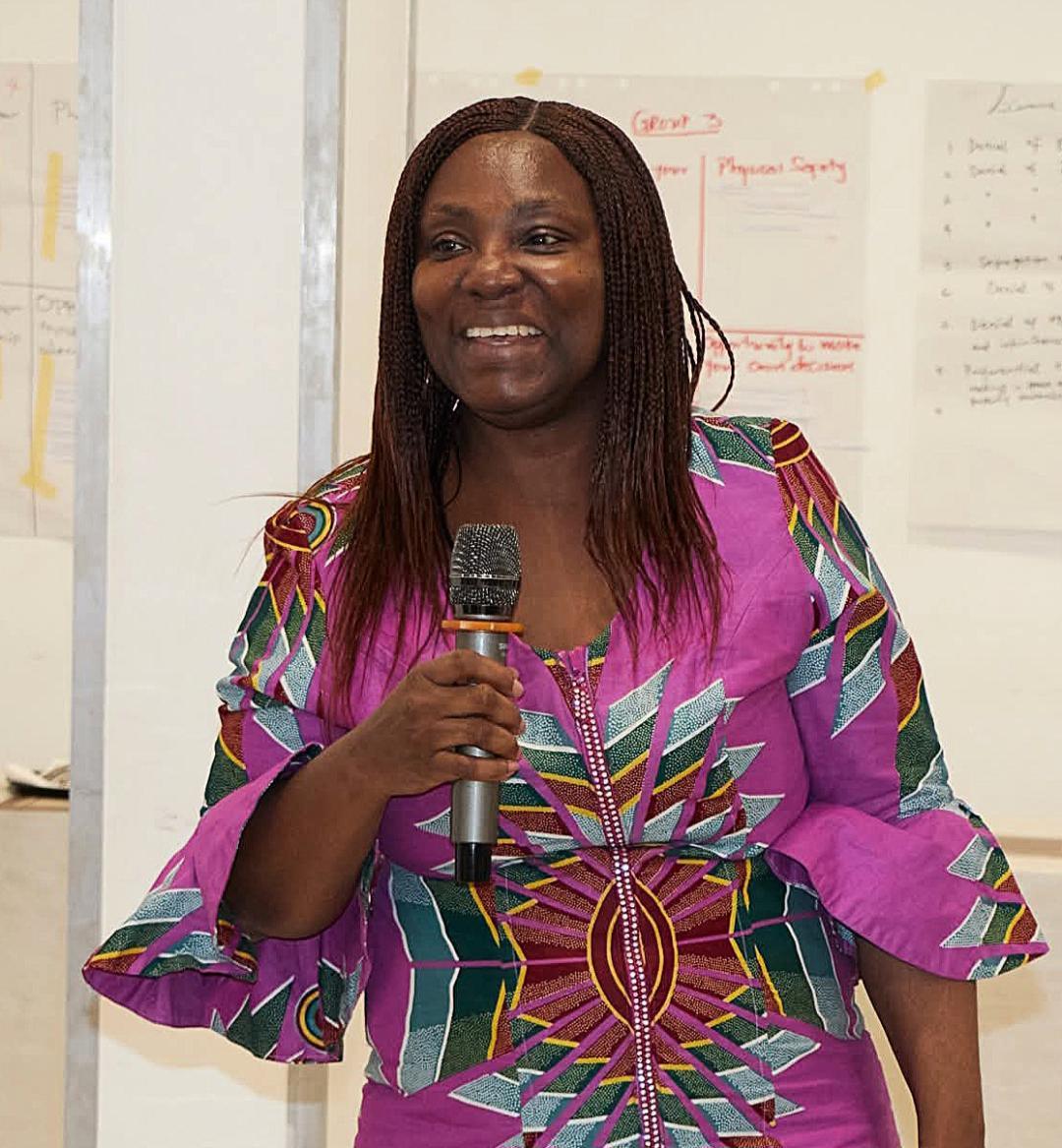
Orgle reaffirmed CARE’s commitment to saving lives and building resilience in crisis-affected communities, stressing that “in fragile contexts, humanitarian aid must go hand-in-hand with building local resilience and amplifying women’s voices, so that no vulnerable person is left behind.”
This year’s theme, Strengthening Global Solidarity and Empowering Local Communities, served as a call to action to deepen commitment to inclusive , collaborations in humanitarian response.
The Speakers agree that by uniting efforts at local, national, and international levels, Nigeria can build resilience, protect vulnerable populations, and foster communities of dignity, hope, and shared responsibility.
Hauwa Abu