

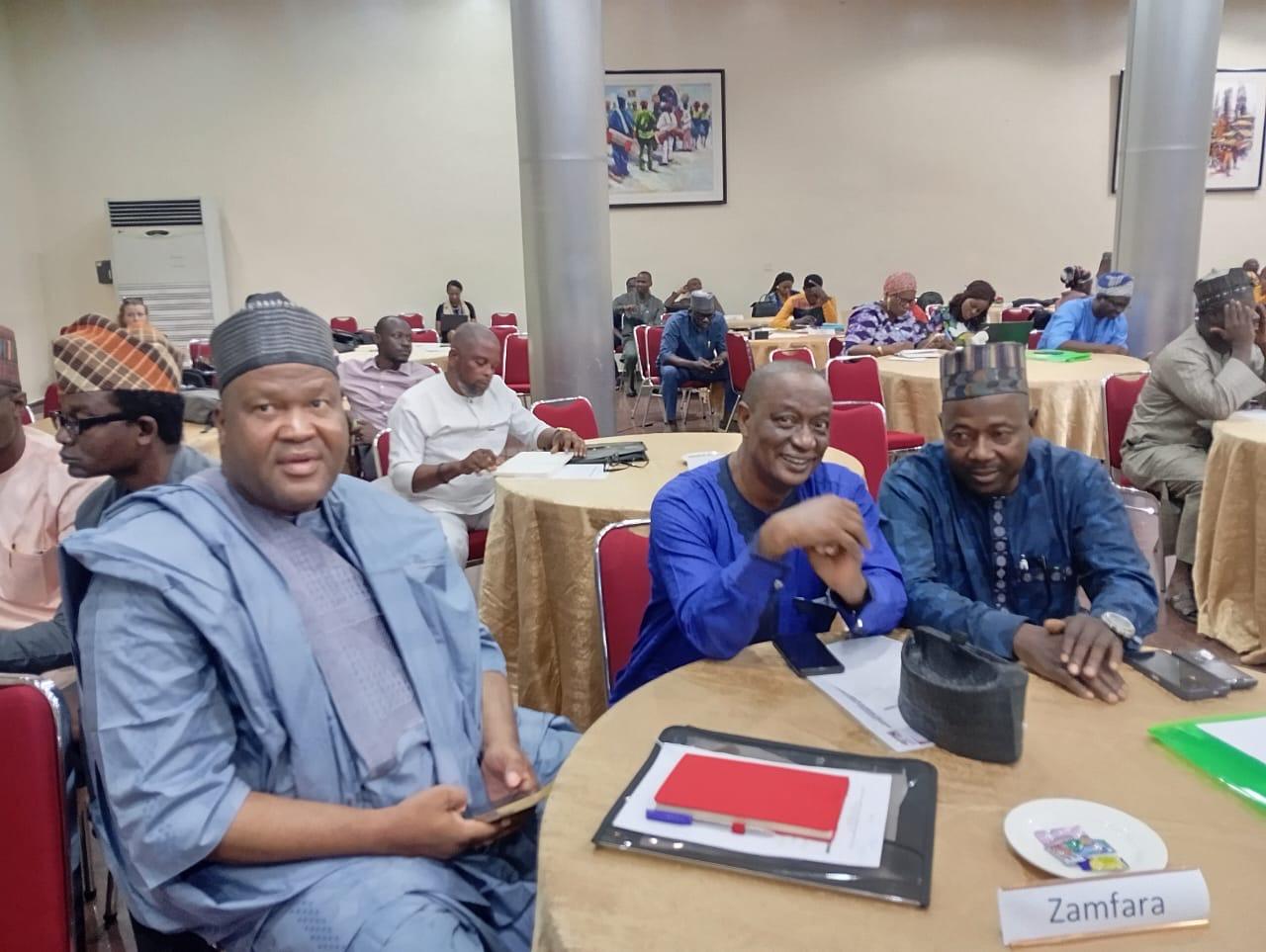
State health officials across Nigeria have described the ongoing National Oxygen Stakeholders’ Meeting as timely and critical to consolidating gains recorded in medical oxygen infrastructure, particularly following lessons from the COVID-19 pandemic.
The officials said the engagement provides an opportunity to safeguard recent investments and chart a sustainable pathway for oxygen production and distribution nationwide.
Speaking on behalf of the North-West zone, the Medical Oxygen Desk Officer for Zamfara State, Mr. Isyaku Sabo Tsafe, noted that the three-day meeting enabled states to exchange ideas, strengthen collaboration and engage key private-sector players.
Tsafe said; “deliberations at the forum underscored the need for oxygen delivery systems to be increasingly driven by the private sector to guarantee efficiency, sustainability and long-term impact.”
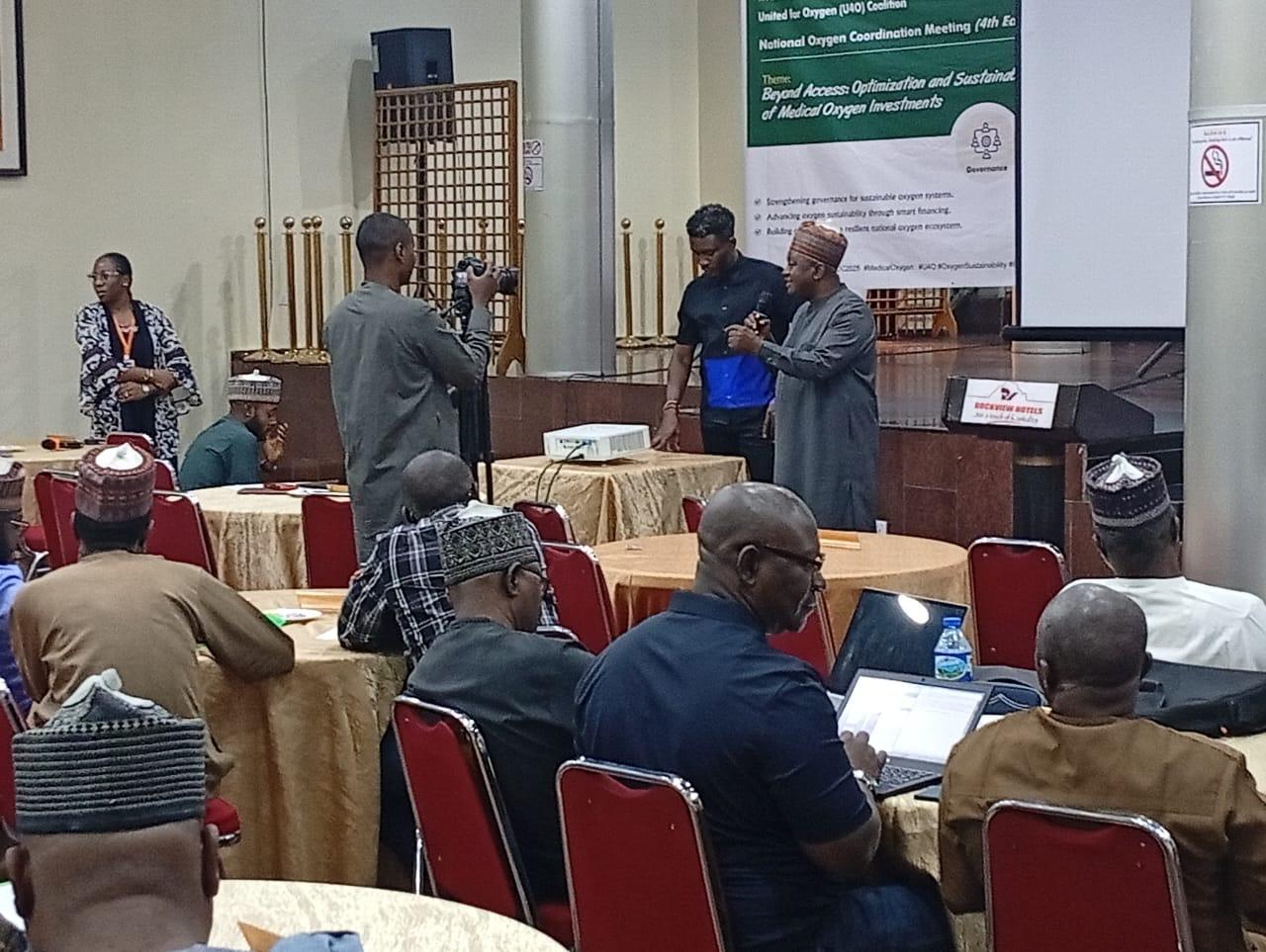
Tsafe said that states are already planning follow-up meetings with donors and partners at sub-national levels.
He explained that misconceptions about medical oxygen remain a major challenge in Zamfara and across the North-West, where many communities still perceive oxygen administration as a “death sentence.”
According to him, efforts are underway to sensitise communities that oxygen is an essential medicine used to manage conditions such as hypoxaemia, a condition marked by low oxygen levels in the blood.
On infrastructure, he said that 109 Pressure Swing Adsorption (PSA) oxygen plants have been distributed across states, with most at 80–90 per cent completion.
He added that Nigeria currently has only four cryogenic oxygen plants nationwide, with two operational — one in Lagos operated by Afrix Gas and another owned by the Zamfara State Government producing liquid oxygen which is working to supply liquid oxygen to neighbouring states and expand capacity through partnership arrangements.
Similarly, the Director of Hospital Services and Training at the Ekiti State Ministry of Health and Human Services, Obe Olumide Tolulope, speaking on behalf of South-Western states, described the meeting as apt and timely, saying “COVID-19 exposed significant oxygen gaps across the country.”
Tolulope said that although states now have at least two to three oxygen plants each, sustainability remains the key concern as donor funding may not be permanent.
According to him, “discussions focused on governance, stewardship, continuous capacity building for biomedical engineers and strengthening public-private partnerships.”
He stressed the need to reposition oxygen as an essential commodity rather than a crisis response item and to integrate it fully into essential medicines lists to guarantee uninterrupted access.
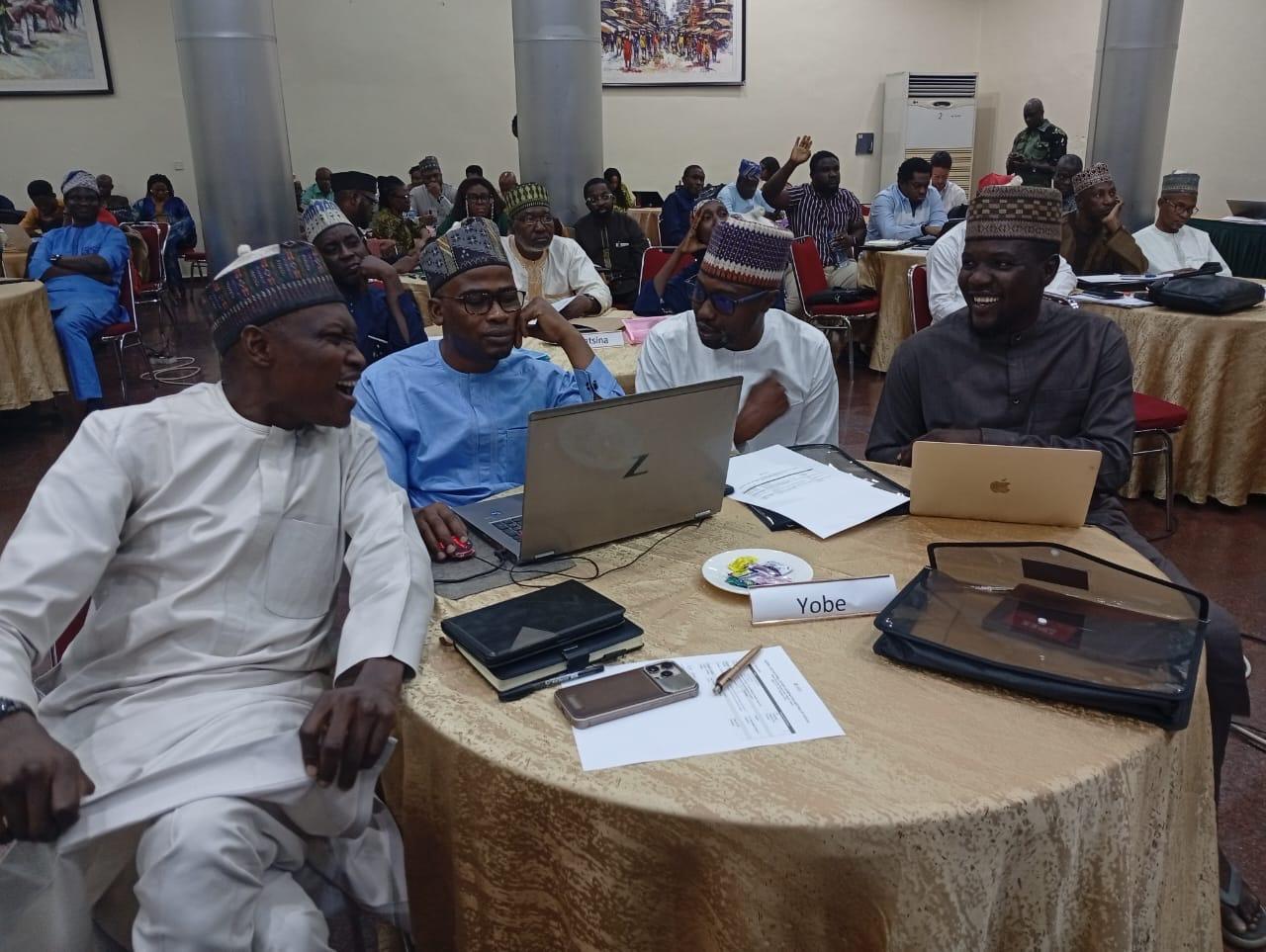
Also speaking, Dr Abdulhamid Mohammed, Oxygen Desk Officer from Yobe State in the North-East, said his state had only one functional oxygen plant during COVID-19 but now operates about seven functional plants.
He said the priority going forward is optimising and sustaining the investments already made.
Dr Mohammed identified poor timing in oxygen administration and inadequate training of healthcare workers as contributors to negative public perception.
He explained that “delayed oxygen therapy in critical cases sometimes leads to poor outcomes, reinforcing community fears. He emphasised the need for continuous training and early administration based on clinical indications.”
He added that partners including UNICEF have trained over 1,000 healthcare workers nationwide, but noted that more training is required to address existing gaps.
The Secretary of the National Oxygen Desk Office at the Federal Ministry of Health and Social Welfare, Eno Edem, said durable oxygen access can only be achieved when state hospital management boards and Ministries of Health work together to generate accurate data, strengthen governance and secure sustainable financing.
“We have focused on strengthening governance, planning and sustainable financing. When the voices in the political class speak, resources are allocated and there is community buy-in. With that validation from the top, we are confident we will build systems that are efficient, functional and financially viable for years to come,” she said.
Edem stressed that sustainability goes beyond listing oxygen projects in policy documents, urging states to include oxygen services in their Annual Operational Plans and ensure the actual release of funds.
“It is one thing for it to be captured in a document; it is another thing for funds to be released. Many states have not operationalised their plans because there are no releases. Ownership means maintenance, funding and accountability,”
“We are reorienting frontline health workers because of body language and confidence matter. If a clinician administering oxygen does not convey hope, patients may already assume the worst, even though oxygen is life-saving,” Edem explained.
She said the Ministry conducts national training for master trainers who cascade knowledge to healthcare workers and biomedical engineers across states, while State Oxygen Desk Officers are mandated to monitor facilities and sustain advocacy efforts.