

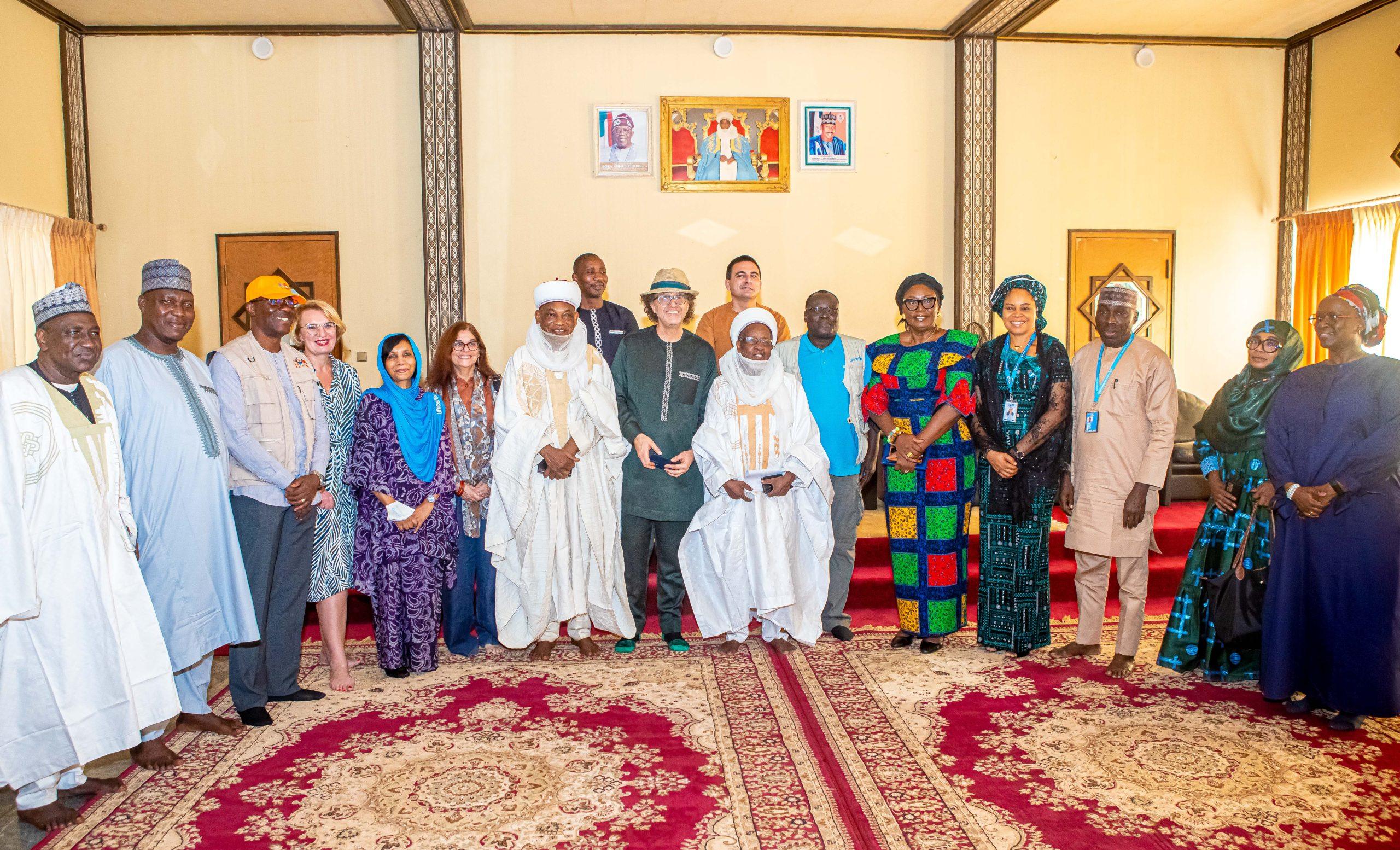
UN, EU, UNICEF, and other partners have reaffirmed a shared commitment to strengthening systems that support children, women, adolescents, and vulnerable families in Nigeria.
The commitment was made at the conclusion of a mission to Sokoto State, North West Nigeria, by a delegation from the EU in Abuja, together with UNICEF, UNFPA, ILO, and partners: Plan International Nigeria, Action Against Hunger Nigeria (ACF Nigeria), CARE, and Danish Refugee Council (DRC).
A statement by the Communication Specialist of UNICEF, Susan Akila, noted that during the visit, the delegation held a meeting with the Governor of Sokoto State Dr. Ahmed Aliyu, who underscored the State’s determination to deliver essential services to communities.
“Our administration is committed to practical solutions that uplift our people, consistent with the Renewed Hope Agenda and our state priorities.
“We will continue to prioritise the well-being of women, children, and vulnerable families and to work with partners to sustain results,” said the Governor.
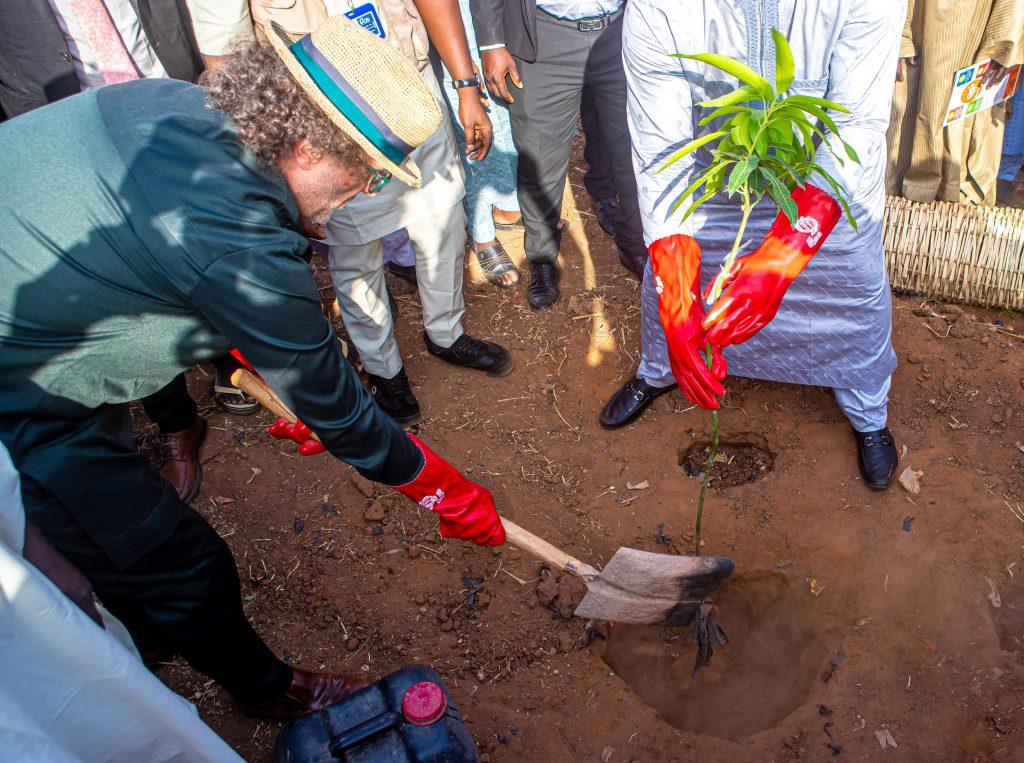
The mission provided an opportunity for the EU delegation, Sokoto State Government, and partners to observe progress across EU-supported initiatives in schools, primary health care facilities, Internally Displaced Persons (IDPs) camps, and community-based services.
Reflecting on the visit of the delegation, the Head of Cooperation at the EU, Massimo De Luca, who led the mission, said the visit has shown how critical it is to invest in systems that protect and empower people.
At schools and community sites, the delegation saw how safe learning environments, teacher support, and community engagements are helping children access inclusive education.
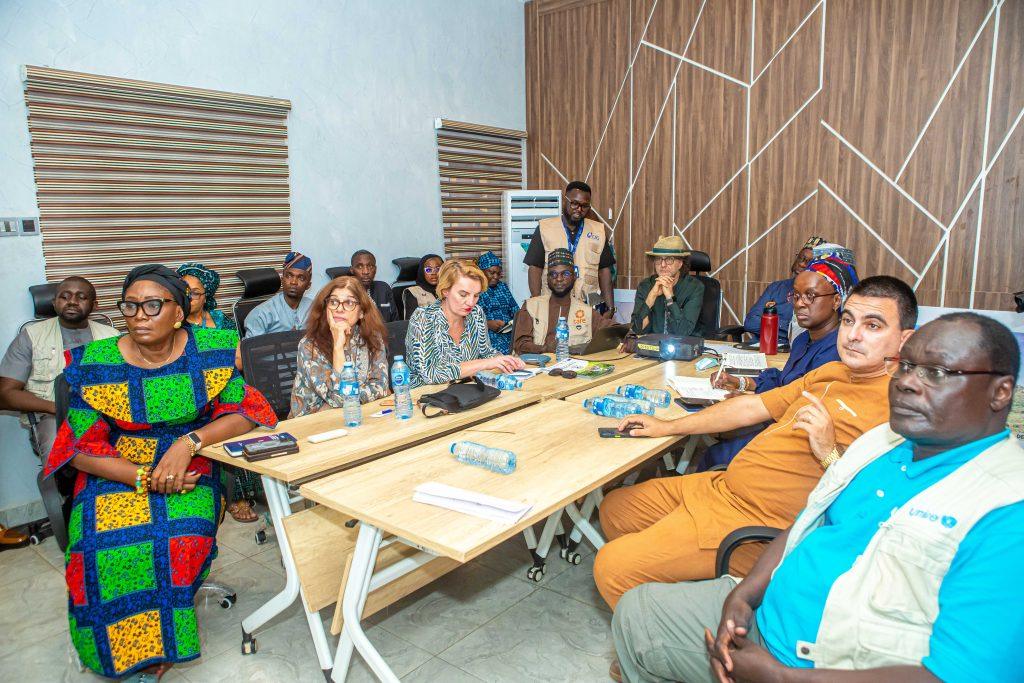
Speaking on UNICEF’s role, the UNICEF Deputy Representative Program, Rownak Khan, said UNICEF’s mandate is to support the rights and well-being of every child and to support women, families, and communities who care for and guide them.
“In Sokoto, that means strengthening education, primary health care, and adolescent services through EU-supported programme for health and education and helping families withstand shocks through social protection so that children not only survive but thrive,” said Khan.
As part of the visit, government and its partners also presented a new tool to capture all dimensions of poverty into the National Social Register as part of the EU-funded “Supporting Sustainable Social Protection Systems in Nigeria (SUSI)” program.
With $14 million from the EU, SUSI will improve social protection policy and budget and help create a social registry in Sokoto that focuses on children and families in need, including those without birth registration or NIN, out-of-school children, families facing malnutrition, and those with limited access to primary health care.
Emphasising the systems dimension of SUSI, the ILO Country Director noted, “Sustainable social protection requires strong institutions, clear policy, and coordinated financing. Through advancing program-based budgeting and an interoperable social registry, Sokoto can better identify need and deliver support where it matters most.”
At primary health facilities, the EU delegation and partners observed efforts to make services more adolescent-friendly and gender responsive. The UNFPA Nigeria Resident Representative said, ‘Women and adolescents must be able to access quality, respectful care close to home. The dedication of frontline healthcare providers in Sokoto shows what is possible when we invest in the people and use data to reach the most vulnerable communities.”
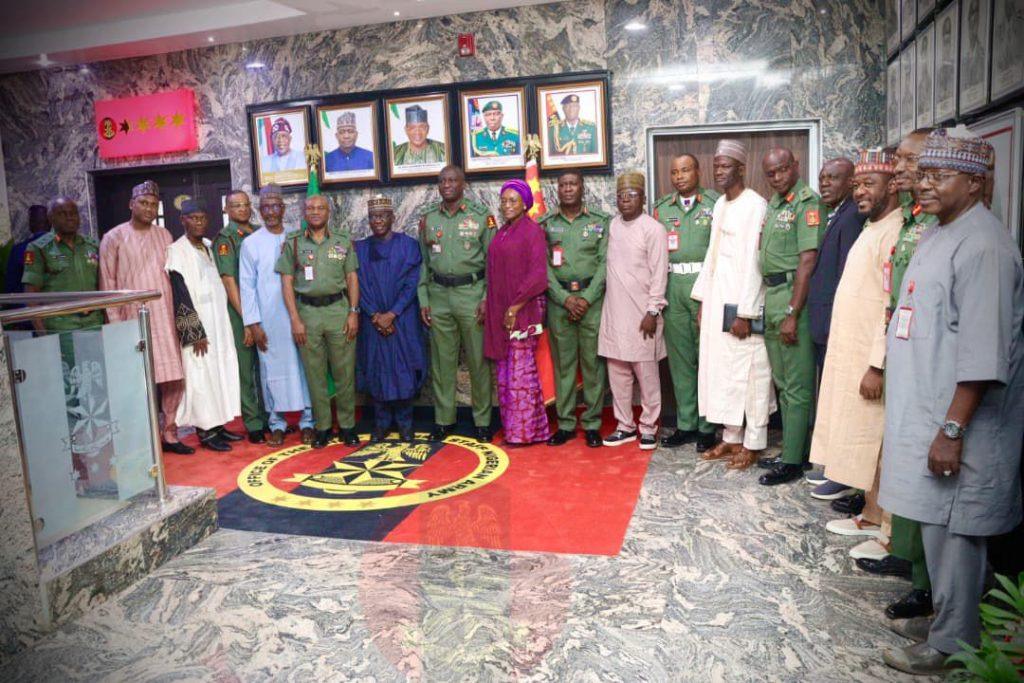
Community organisations are central to sustaining progress, the CARE Nigeria Country Director remarked, “Communities are the engine of lasting change. We remain committed to approaches that strengthen local leadership and accountability, ensuring that services reach those who need them most.”
Partners working on education highlighted the importance of safe, supportive learning environments.
The mission renewed the joint commitment to support Sokoto State in achieving it’s social and economic development.