

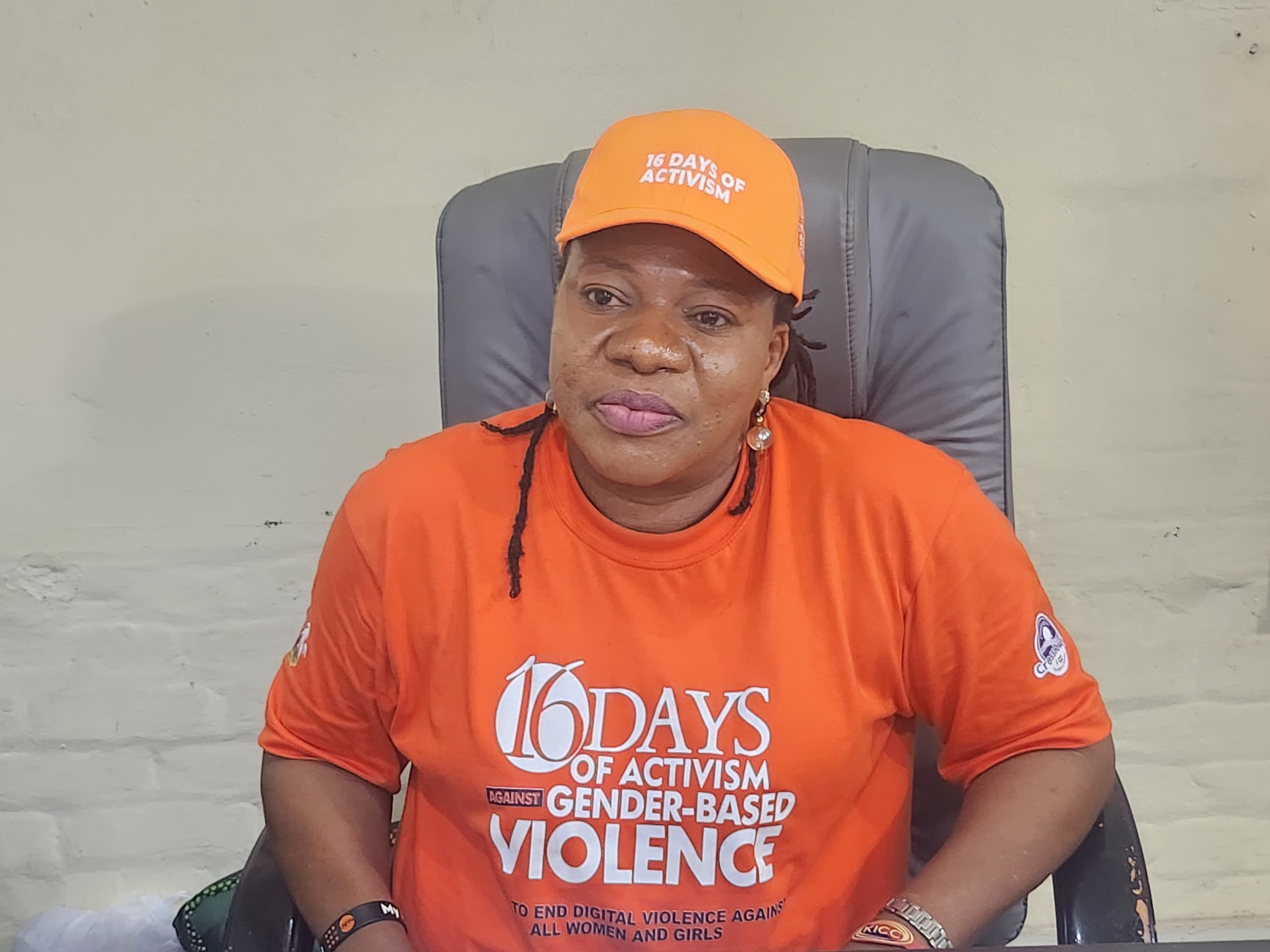
The Cross River State Ministry of Women Affairs has taken its 2025 campaign to end digital violence against women and girls to the grassroots, in a bid to curb the rising tide of online abuse and exploitation.
The Ministry in collaboration with UN Women launched the awareness campaign in Akamkpa Local Government Area of Cross River State, southern Nigeria, as part of efforts to protect vulnerable women and girls across rural communities.
The launch, which was held through a media briefing in Akamkpa, was designed to deepen community sensitisation on Gender-Based Violence (GBV) and the Violence Against Persons Prohibition (VAPP) Law. This has now been adapted into a locally relevant guideline to address digital and physical forms of abuse at the community level.
The Commissioner for Women Affairs, Edema Irom, said; “the collaboration between UN Women and the Cross River State Government was already gaining ground among rural dwellers, noting that sustained engagement with traditional rulers, women groups and youth leaders was helping to break long-standing silence around abuse and harmful practices.”
Irom described the 16 Days of Activism as a powerful global movement for mobilising communities, institutions and governments towards ending violence against women and girls.
She noted that the 2025 theme, “Unite to End Digital Violence Against All Women and Girls,” hinged directly on emerging patterns of abuse within the digital space.
The Women Affairs Commissioner stated, “over the years, UN Women has worked closely with us to strengthen our institutional capacity, support survivors and promote gender-responsive policies.
“Their interventions have been instrumental in the fight against gender-based violence, particularly in rural communities where harmful traditional practices have historically endangered women and girls,” the Commissioner said.
According to Irom, “UN Women’s intervention had been instrumental in providing many communities with the relevant assistance to confront cultural practices such as early marriage, widowhood rites and female disinheritance, which undermine the dignity and wellbeing of women.”
“We are especially grateful for their efforts in developing community guidelines and frameworks that challenge and discourage these practices. Through collaborative sensitisation, capacity building and community dialogues, our people are embracing modern, rights-based approaches for protecting vulnerable groups,” she said.
“As a government, we remain fully committed to intensifying prevention, strengthening response systems and ensuring stricter enforcement of laws that safeguard the rights of women and children,” Irom stated.
Institutional responses
She reaffirmed the readiness of the state government to deepen its partnership with UN Women and other stakeholders to improve institutional responses to rape, child abuse, molestation, trafficking and other harmful practices rooted in tradition.
Continuing, Irom emphasised, “financial empowerment remains one of the strongest protections against exploitation. We are also intensifying partnerships with traditional institutions, faith-based organisations and civil society groups to accelerate behavioural change and sustain the gains already recorded.”
She urged communities, families and institutions to join in the fight against GBV, adding “it is a collective responsibility; every voice counts and every action matters. Together, we can build a safer, fairer and more equitable Cross River State.”
Lateefah Ibrahim