


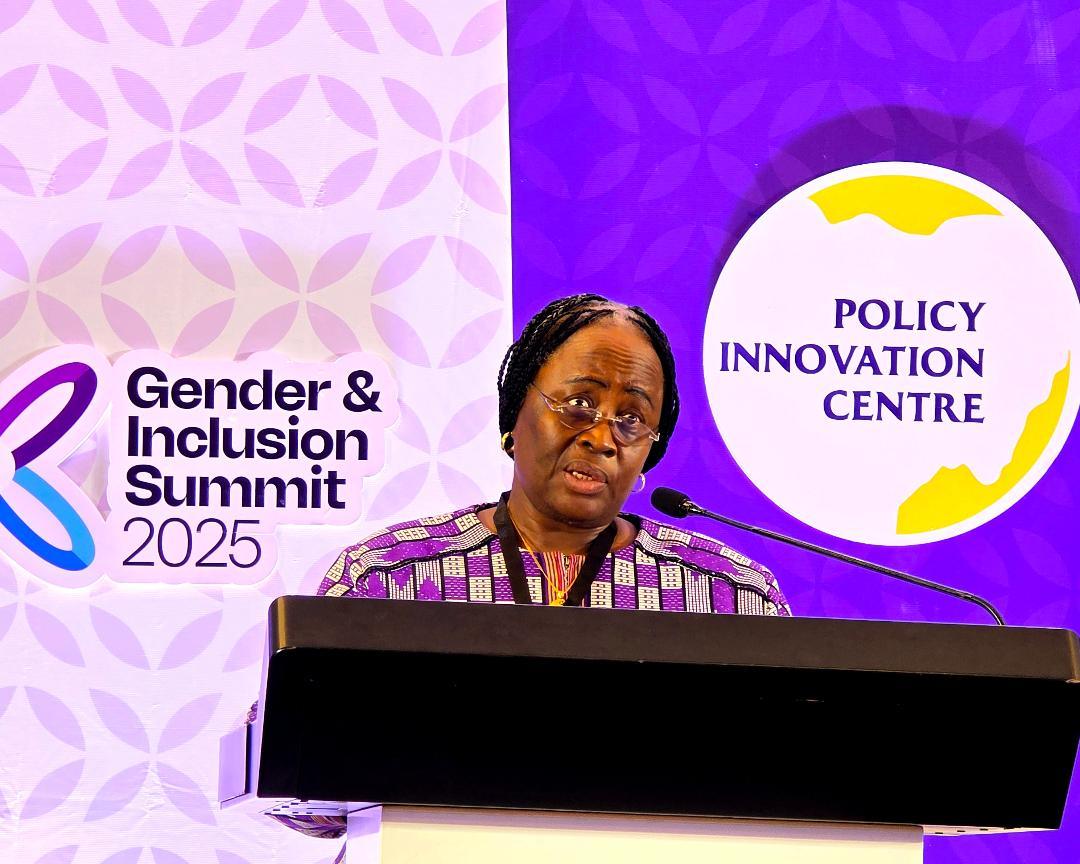
The United Nations Women Country Representative to Nigeria and ECOWAS, Beatrice Eyong, has urged for bold structural reforms to accelerate gender equality and inclusive development.
Speaking at the 2025 Gender and Inclusion Summit in Abuja, themed “New Voices and New Approaches for Accelerating an Inclusive Society,” Eyong reaffirmed UN Women’s commitment to working with government, civil society, and the private sector to expand opportunities for women across sectors, insisting that equality is not charity but justice and sound economic policy.
“UN Women has effectively integrated gender-responsive planning and budgeting into the Federal Budget Call Circular, influencing allocations across multiple ministries,” she explained.
She also highlighted partnerships with Kaduna and Lagos States on affirmative procurement policies, which have opened access for women-owned businesses in public procurement.
“In Kaduna and Lagos States, we supported affirmative procurement to expand women-owned businesses’ access to public contracts, while also promoting women’s participation in peacebuilding,” she said.
On peacebuilding, she underscored UN Women’s contribution to policy frameworks.
“We have supported the formulation and execution of the National Action Plan and several State Action Plans, establishing robust frameworks to safeguard and advance women’s involvement in peacebuilding efforts,” she stated.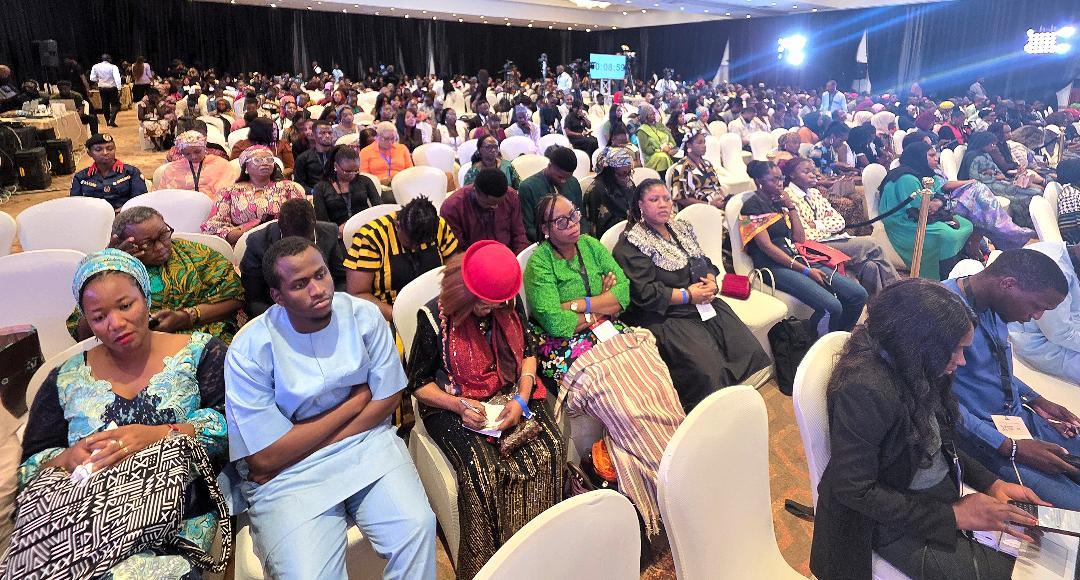
While acknowledging progress, Ms. Eyong stressed that challenges remain.
“Fiscal pressures have restricted funding for gender initiatives; gender-based violence remains remarkably high; women are underrepresented in political and economic leadership; and women-led businesses face ongoing barriers in gaining access to credit, markets, and investment opportunities,” she said.
To address these gaps, she called for transformative reforms, including reserved seats for women in legislative houses, a private sector–led Gender-Based Violence Fund, and a national accountability framework to track Nigeria’s commitments. She also emphasised the care economy.
“It is equally important to recognise unpaid care and domestic work as vital to economic growth and social cohesion,” she argued.
Eyong further recommended a philanthropic fund to support grassroots women’s organisations and blended financing models to expand affordable credit for women-owned businesses.
She concluded: “Gender equality should not be regarded as an act of charity but rather as an essential component of sound economic policy, national development, and justice. Empirical research suggests that addressing gender disparities could potentially enhance Nigeria’s Gross Domestic Product. It is evident that investing in women yields the most substantial benefits for societal progress.”
Speaking, Director-General of the National Institute for Legislative and Democratic Studies (NILDS), Professor Abubakar Sulaiman, called for a collaborative reset in Nigeria’s political landscape to address entrenched gender gaps and exclusion of marginalised groups.
Represented by Dr. Shuaibu Danwaka, he observed that despite accounting for nearly half of the population, women occupy just 4.2% of parliamentary seats, while the youth, who make up more than 60% of the citizenry, remain largely excluded from decision-making.
According to him, these imbalances weaken democracy and stall development. “Exclusion fuels unemployment, insecurity, irregular migration and social vices, reinforcing cycles of alienation and poverty,” he cautioned.
Highlighting NILDS’s collaborations with the National Assembly and stakeholders on constitutional and electoral reforms, including the proposed Special Seats Bill for Women and the Diversity, Equity and Inclusion Bill, he affirmed that meaningful change is possible through shared commitment.
“Our Institute attaches great importance to co-operating with international organisations, civil societies and women’s networks towards ameliorating the plight of vulnerable and marginalised persons in Nigeria… I am personally committed to working with partners to advance gender inclusion as a cornerstone of our democratic journey,” he declared.
He urged stakeholders to see inclusion not as a burden but as a pathway to solutions, saying “gender and inclusion are not just about equity—they are about strengthening our democracy, unlocking development potential, and securing a better future for generations to come.”
Stakeholders at the summit noted that these calls reinforce President Bola Tinubu’s Renewed Hope Agenda, which prioritises women’s empowerment, social inclusion, and sustainable growth as key drivers of Nigeria’s transformation.