

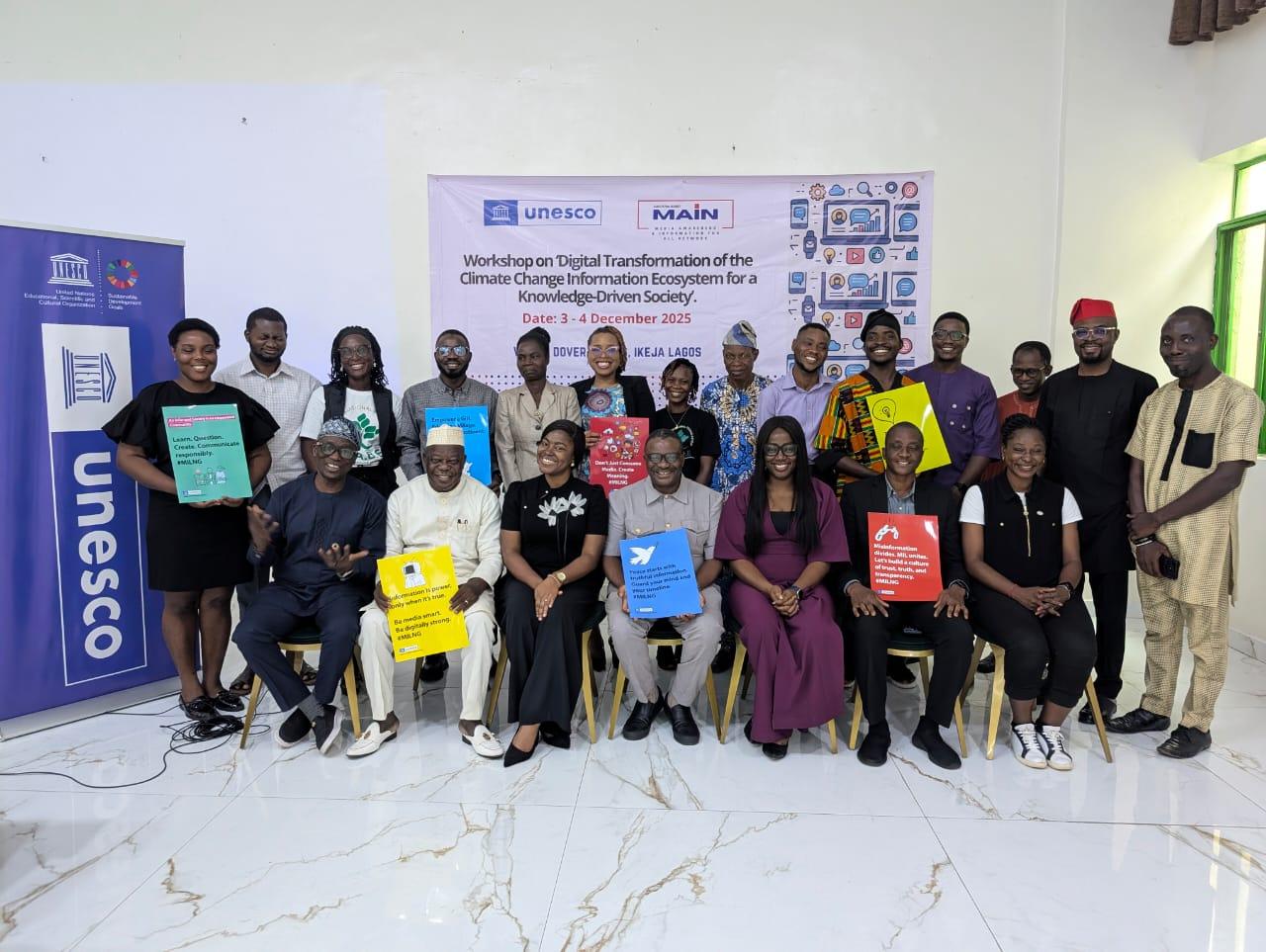
The UNESCO Abuja Head of Office and Representative, Mr. Jean-Paul Ngome Abiaga, has called for stronger collaboration between the media and other stakeholders in addressing misinformation on climate change.
He emphasised that responsible and factual reporting is critical for shaping public understanding and supporting effective climate action.
The call was made at a two-day workshop on “Digital Transformation of the Climate Change Information Ecosystem for a Knowledge-Driven Society,” following the launch of the Declaration on Information Integrity on Climate Change on 12 November 2025 during COP30 in Belem, Brazil.
The event forms part of UNESCO’s ongoing initiative on information integrity in climate change.
Mr Ngome Abiaga, represented by Ms Yachat Nuhu, noted that across the continent, climate-related misinformation has fuelled denial, delayed policy action, eroded trust in scientific evidence, and deepened community vulnerabilities which calls for holistic and collaborative approach.
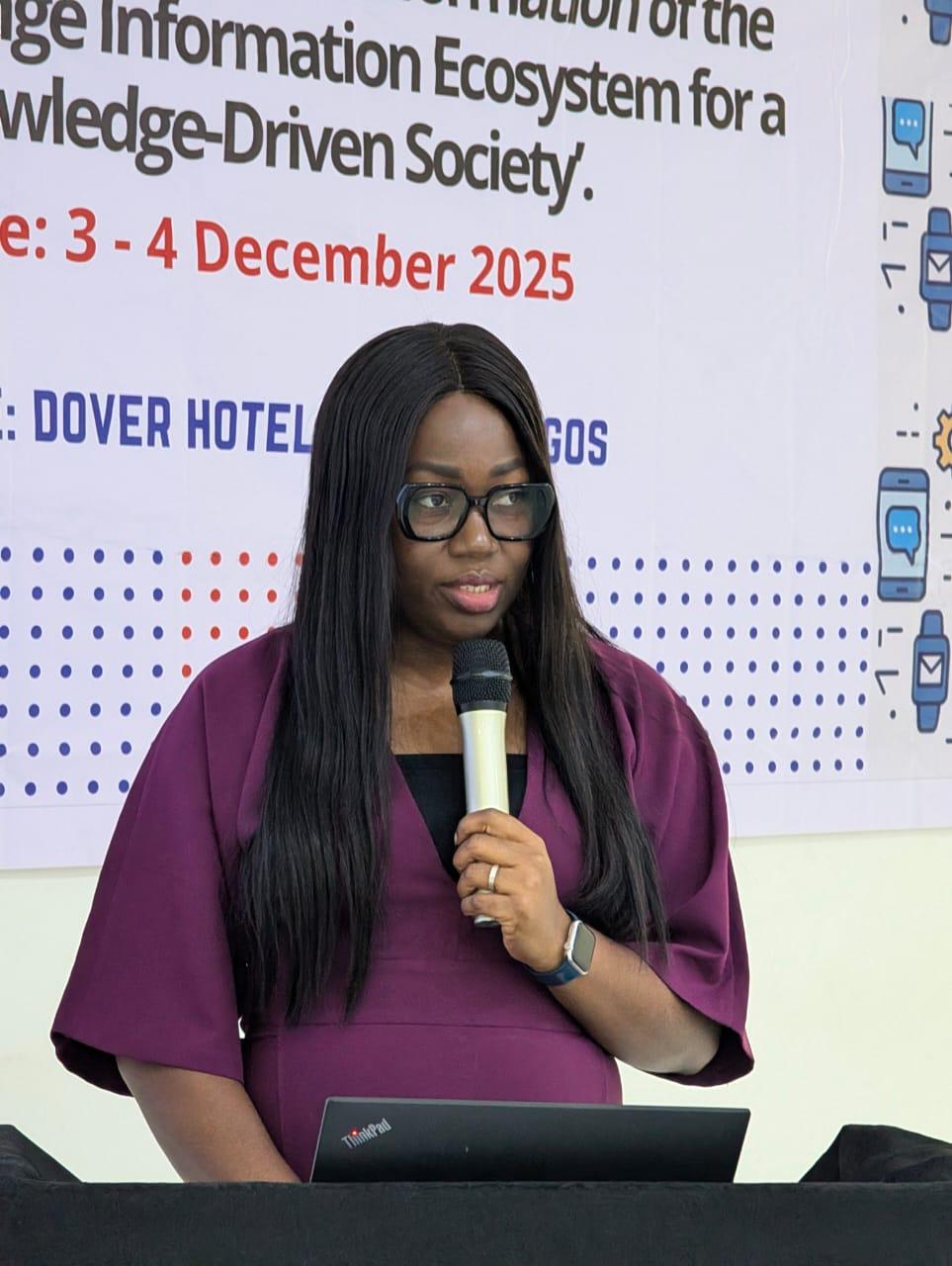
“Addressing misinformation, particularly on climate change, requires the collective strength of journalists, civil society, organizations, community leaders, youth groups, religious leaders, traditional institutions, and development actors. Each of you play a crucial role in ensuring that accurate, reliable, and responsible information shapes public discourse and inspires informed decision-making”, he said
According to him, “In many cases, misinformation spreads faster than corrective facts — creating real-world consequences for communities, especially those already grappling with environmental and socio-economic pressures.”
In his presentation titled, “Interrogating Climate Change Myths and Misinformation and the Pathways to Ensuring Behavioural Change”, the National Information Officer of the UN Information Centre (UNIC), Dr Oluseyi Soremekun, noted that Climate change myths and misinformation have become significant barriers to global efforts aimed at mitigating environmental challenges.
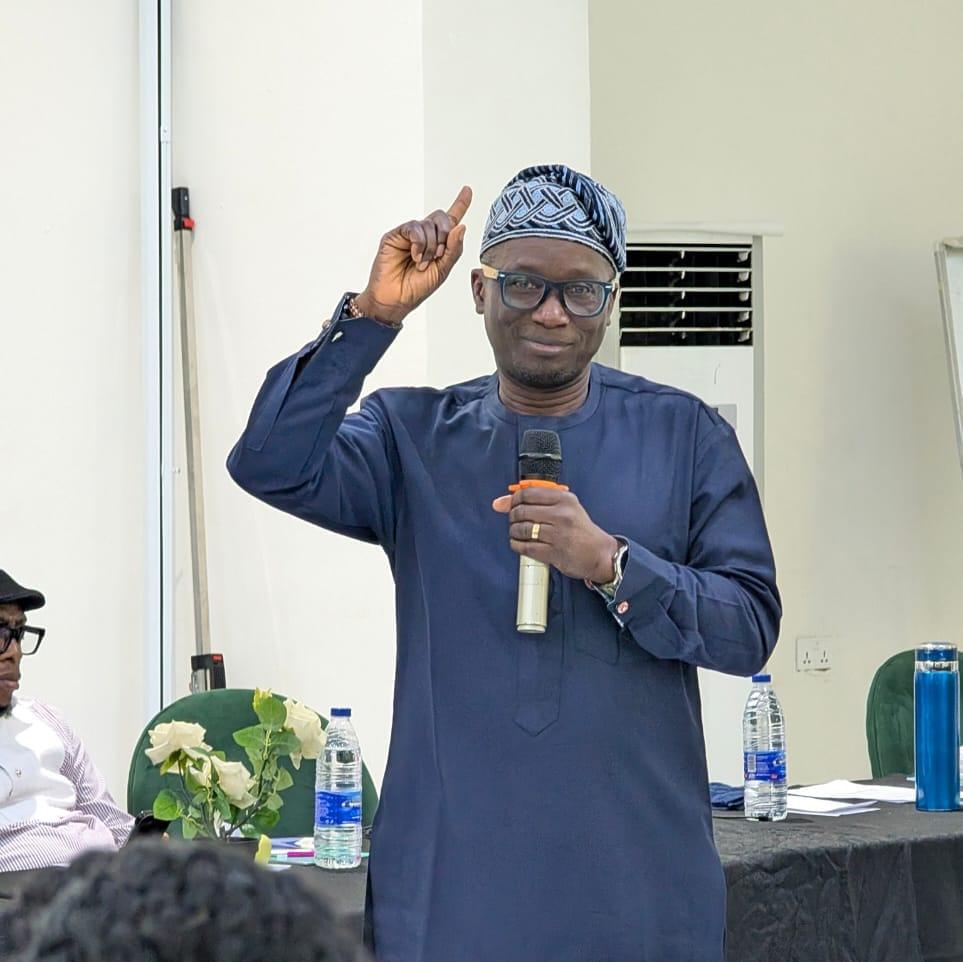
Dr. Soremekun, explained that misconceptions have often stemmed from misunderstanding scientific data, deliberate distortion by vested interests, and the rapid spread of false narratives through digital platforms.
“Myths undermine public trust in scientific consensus and create confusion among policymakers and citizens. Understanding these myths is crucial because they influence attitudes, behaviors, and policy decisions. When individuals believe inaccurate information, they are less likely to support climate-friendly initiatives or adopt sustainable practices”, he said,
The UNIC National Information Officer called for clear communication of scientific facts, contextualizing data to avoid misinterpretation, and highlighting the overwhelming consensus among climate scientists.
“As education increases, climate change resilience gets stronger. Climate literacy leads to climate action which will lead to resilient outcomes such as stronger food systems, reduced emissions, lower displacement, and green economic growth” he said.
On his part, A Consultant on Public Health, Dr Olumayomikun Soremekun underscored the impact of climate change on health.
“Climate change could increase heat-related illnesses, worsen air quality (asthma, lung issues), alter infectious disease patterns (malaria fever and dengue fever), threaten food/water security (cholera) and impact mental health. Identifying extreme weather like storms, heatwaves, floods, and wildfires as capable of disrupting basic needs like clean air, safe water, and food, creating new health challenges and exacerbating existing ones globally“, he added
Also speaking, the Chairman, Media Awareness and Information For All Network (MAIN), Professor Jide Jimoh, explained that the workshop was hinged on Media and Information Literacy principles to bridge the gap between scientific understanding of climate change and community perceptions shaped by cultural beliefs and myths.
Professor Jimoh, further explained, that the disconnection between scientific evidence and traditional worldviews, has fostered misgivings about climate change claims, with many not recognizing its tangible impacts on their health, food security, and livelihoods.
The workshop organised by UNESCO Abuja office in collaboration with Media Awareness and Information For All Network (MAIN), was attended by representatives of the media, factcheckers, civil society organisations, youth groups, academia and community leaders.