


The United Nations Children’s Fund (UNICEF), in collaboration with the Jigawa State Government, has pledged to improve Water, Sanitation and Hygiene (WASH) services in schools and healthcare facilities across the state.
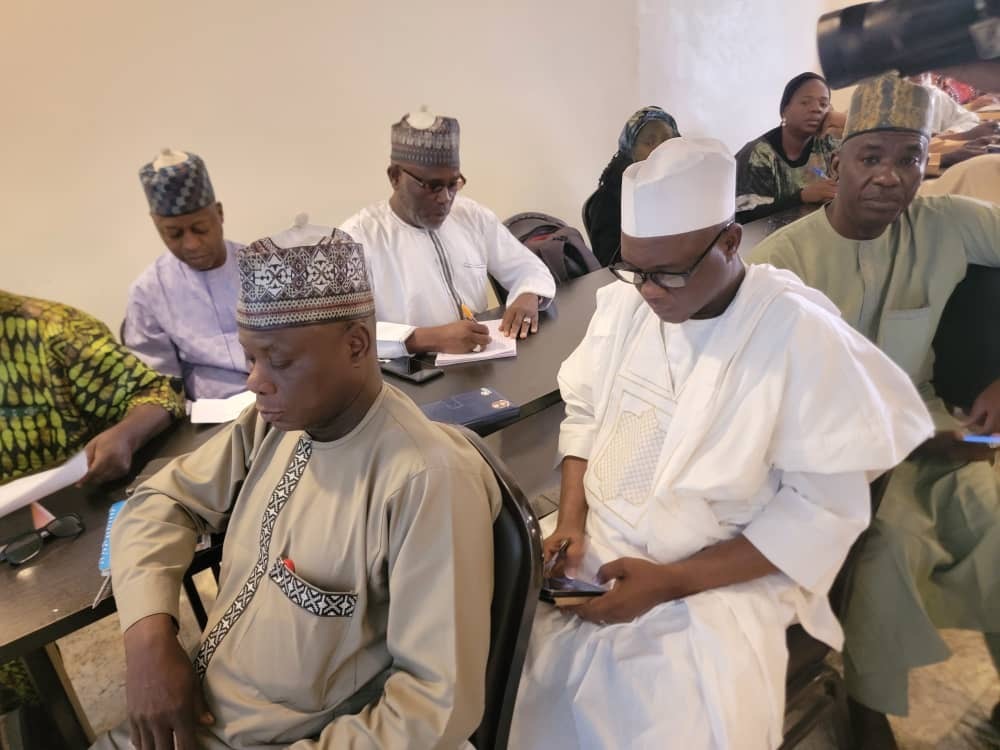
The pledge was made during a media dialogue with stakeholders, organised by UNICEF in partnership with the Child Rights Information Bureau (CRIB) of the Federal Ministry of Information and National Orientation.
The dialogue focused on assessing the state of Water, Sanitation and Hygiene services in selected schools and primary healthcare facilities across Jigawa State, with particular attention to the functionality or absence of WASH facilities.
As part of the programme, journalists embarked on a media tour to some schools and healthcare centres within metropolitan areas.
This also included visits to local government areas, where they witnessed the availability of water supply and the condition of toilet facilities.
The Officers-in-Charge of the Primary Healthcare Centres and schools, Mrs Zarah Laminu and Mr Ali Alhaji, spoke on the challenges and importance of functional WASH facilities.
Mrs Laminu disclosed to journalists that the WASH programme has benefited the schools; however, she called for more support from stakeholders.
Mr Ali Alhaji stressed the need for more hygiene facilities across schools in the state.
Speaking on behalf of UNICEF during the roundtable discussion with representatives of the Jigawa State Government, Ms Susan Akila commended the state for attaining and sustaining Open Defecation Free status, a milestone first achieved in October 2022 and maintained through late 2025.
Ms Akila, however, noted that despite the progress recorded, more effort is required to close the existing gaps in WASH services in schools and healthcare facilities.
The Technical Adviser to the Jigawa State Governor, Dr Hauwa Mustapha Babura, praised UNICEF’s commitment to improving children’s education, health, and overall well-being, and assured that the state government would intensify its support for WASH interventions.
The Chairman of the Jigawa State Universal Basic Education Board (SUBEB), Professor Haruna Musa, noted that “the state has 3,345 schools with 8,689 toilet facilities, adding that plans are underway to address identified gaps in WASH services.”
Stakeholders said improved collaboration and stronger implementation of WASH policies will significantly enhance the well-being of pupils, women and girls, while also strengthening healthcare delivery across Jigawa State.