

Global health partners, the World Health Organization (WHO) and the Global Fund, have pledged greater support for Nigeria’s health financing reforms, describing the country’s leadership as crucial to improving the well-being of over 223 million citizens and strengthening health security across Africa.
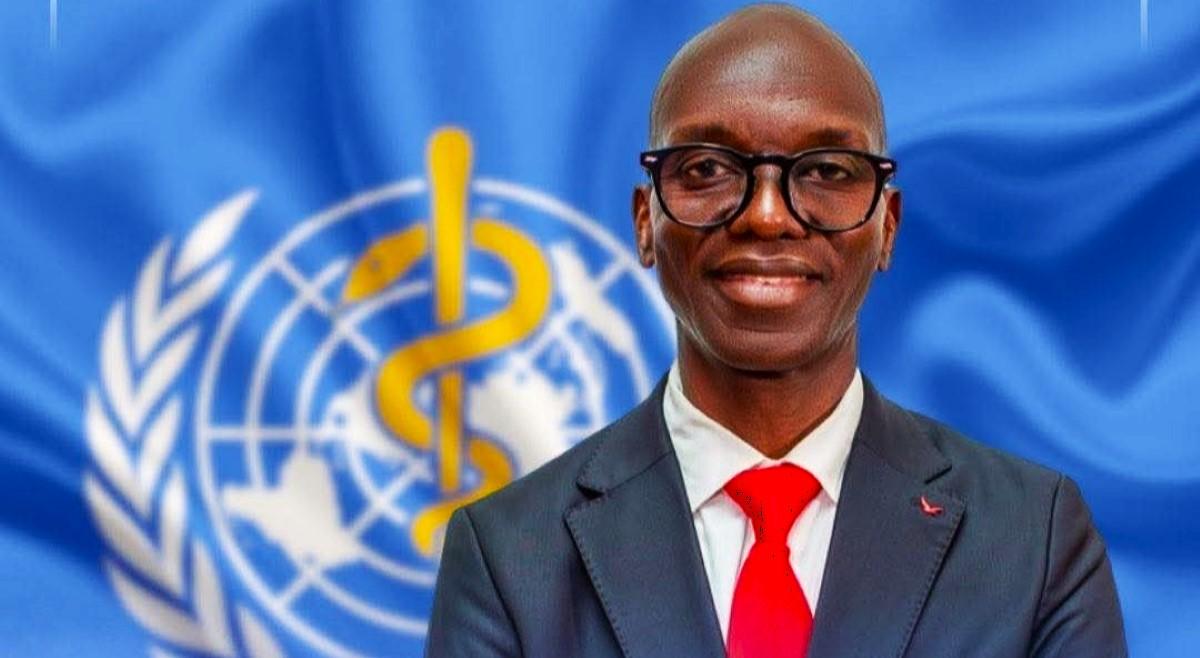
Speaking at the closing session of the National Health Financing Policy Dialogue in Abuja, the WHO Regional Director for Africa, Prof. Mohammed Yakub Janabi, commended the Nigerian government for its bold reforms.
“The Basic Healthcare Provision Fund, the National Health Insurance Authority Act, and the expansion of state-level insurance schemes, these efforts is a ‘steps in the right direction’ that provide inspiration for other countries on the continent,” he said.
Prof. Janabi stressed that sustainable financing is the backbone of resilient health systems. He called for an increase in public health spending to at least 20 percent of total health expenditure, a reduction in out-of-pocket payments, and stronger prepayment and pooling mechanisms.
He further urged that decisions be guided by evidence, such as cost-effectiveness and equity analyses, to ensure fair and inclusive outcomes. Noting that healthier populations are more resilient to shocks and better positioned to drive inclusive growth, he said: “Together, we can build a financing system that is inclusive, equitable, and responsive. WHO stands ready as a partner on this journey.”
Delivering a goodwill message, Maria Kirova, speaking on behalf of the Global Fund, reaffirmed the organisation’s commitment to Nigeria’s efforts to strengthen health financing and accelerate progress towards Universal Health Coverage (UHC).
Read Also: NHIA Reports 2.7 Million Nigerians Access Healthcare Scheme
She praised Nigeria’s leadership in tackling HIV, tuberculosis, and malaria, while also bolstering health systems and pandemic preparedness.
Kirova, however, cautioned that major challenges remain, particularly in sustaining human and financial resources, ensuring equitable access to care, and reducing reliance on external funding as international financing declines.
She highlighted the Fund’s investments in health insurance schemes across five states, oxygen therapy facilities in more than 60 hospitals, supply chain upgrades, disease surveillance, digitalisation, and primary healthcare revitalisation.
Some of these initiatives, she noted, were supported by the COVID-19 Response Mechanism, which will end in December 2025.
According to her, the Global Fund promotes sustainability through co-financing incentives, catalytic funding to leverage domestic resources, and partnerships with government, civil society, and the private sector.
“With Nigeria’s political leadership and the momentum generated by the dialogue, the country is well-positioned to mobilise additional resources and secure long-term health gains.
“The Global Fund is proud to be Nigeria’s partner on this transformation journey, and we look forward to working hand-in-hand to build a healthier, stronger Nigeria for all,” she affirmed.