

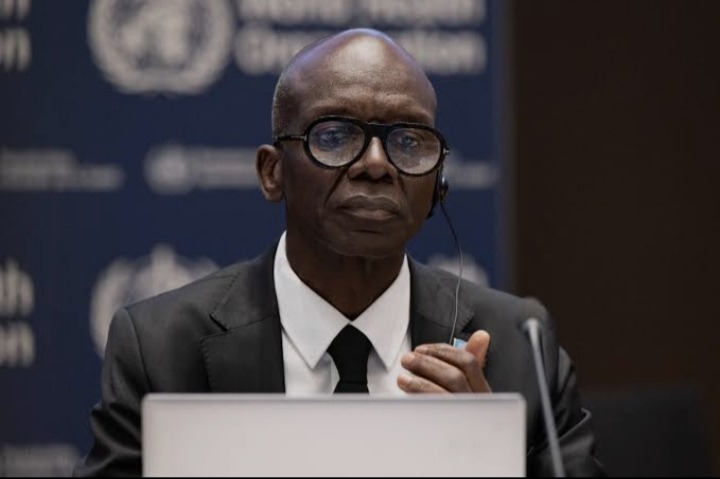
The World Health Organisation (WHO) has urged African governments and development partners to step up efforts to end AIDS across the continent, warning that recent funding disruptions threaten decades of progress.
The call was delivered by the WHO Regional Director for Africa, Dr Mohamed Janabi, in a message marking World AIDS Day 2025.
Dr Janabi noted that this year’s theme, ‘Overcoming Disruption: Transforming the AIDS Response,’ underscores the urgent need to reassess and strengthen HIV responses amid shifting global funding priorities.
He explained that reductions in external financing increases the risk of losing crucial gains, making strong domestic leadership and sustainable health systems more important than ever.
Despite these challenges, he highlighted the continent’s resilience, pointing to the integration of HIV services into primary healthcare and the advancement of people-centred, inclusive care.
He called for sustained investment in testing, treatment, and prevention infrastructure, as well as accelerated access to innovations.
Highlighting scientific progress, Dr Janabi commended South Africa for becoming the first African nation to license Lenacapavir, a long-acting HIV prevention medicine administered just twice a year. He encouraged other African countries to follow suit to expand prevention options, particularly for vulnerable groups.
He also stressed the importance of maintaining public trust in science, warning that misinformation remains a serious threat to public health.
“Community actors, especially youth networks played a crucial role during recent crises by using platforms like WhatsApp and local radio to promote adherence to HIV treatment and counter false narratives”.
Massive Reduction in AIDs-related Deaths
Dr Janabi acknowledged significant progress across the continent, noting that new HIV infections and AIDS-related deaths have fallen by more than half since 2010.
“Currently, 21.7 million people living with HIV are receiving lifesaving antiretroviral therapy, success stories such as Botswana’s Gold Tier status for eliminating mother-to-child transmission demonstrate what consistent political commitment can achieve”.
However, he cautioned that these gains are still fragile. He urged countries to increase domestic investment, strengthen health systems, combat stigma and discrimination, and prioritise services for key populations, adolescent girls, and young women.
Reaffirming WHO’s support, he said the organisation remains committed to helping countries transform HIV services into resilient and sustainable systems, particularly in the face of changing global dynamics.
Quoting an African proverb, he reminded the continent that lasting progress requires unity, “If you want to go far, go together.”