

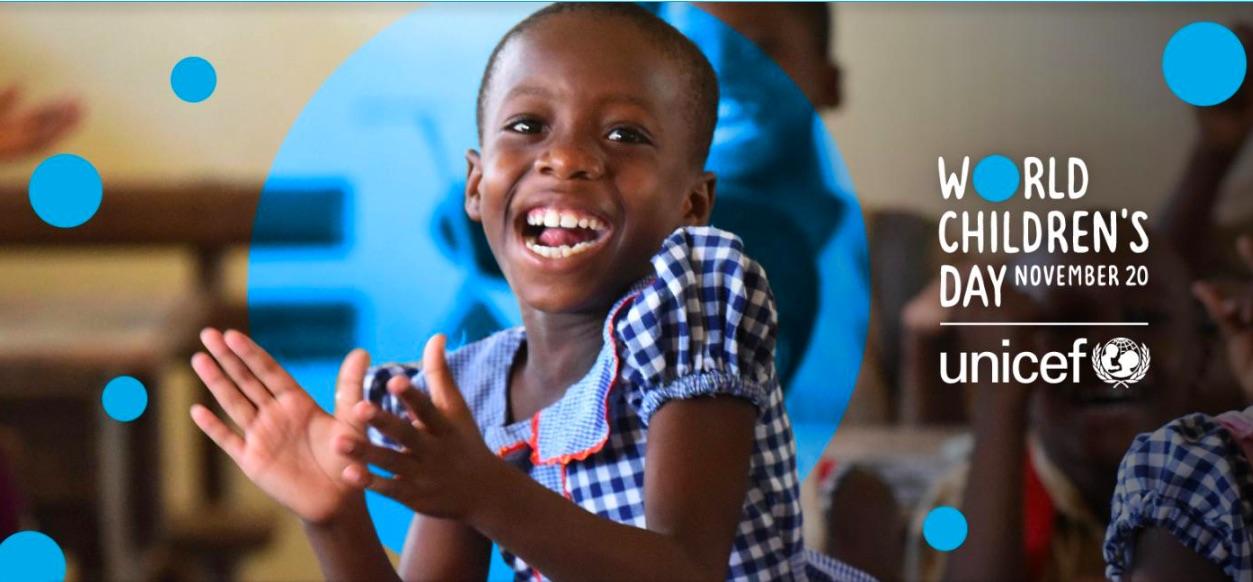
Leading voices from Nigeria’s media, government and development sectors have jointly called for stronger media advocacy to protect the rights and welfare of children.
The message was stated at the World Children’s Day Media Symposium held in Lagos, organised by UNICEF Nigeria in collaboration with the Nigerian Guild of Editors (NGE) and the Diamond Awards for Media Excellence (DAME). The event centred on the theme “Reinforcing the Role of Media in Mainstreaming Child Rights”.
A statement by UNICEF Communication Specialist Susan Akila noted that the event brought together editors, journalists, UNICEF Champions, development partners, civil society, and private sector representatives to explore how storytelling, accountability journalism, and public dialogue can shape a better future for Nigeria’s children.
The symposium followed the release of the “Nigerian Child 2025 Report”, which shows that many children in Nigeria live in multidimensional poverty, lacking access to education, healthcare, nutrition, and safety. The report also reveals that a significant number of children experience some form of violence before the age of 18, and some girls are married off before reaching adulthood.
UNICEF Nigeria Representative, Ms Wafaa Saeed, presented the key findings of the report and called on the media to be a driving force for change.
“The data tells us that millions of children are being left behind, but it also shows where progress is possible. The media can change how we see these children, from statistics to stories of strength and hope. Every time a journalist gives voice to a child, the nation takes a step forward,” she said.
The President of the Nigerian Guild of Editors, Mr Eze Anaba, underscored the power of media in shaping perception and driving accountability.
“Editors decide what the nation pays attention to. We must ensure that the struggles and dreams of Nigeria’s children remain part of our everyday conversation. That is how societies grow more humane, more honest, and more hopeful,” he said.
In his remarks, Mr Lanre Idowu, Chairman of DAME, reminded participants that powerful journalism can transform children’s lives.
“Good journalism does not just inform; it saves lives. When the press asks why a child is out of school or why a health centre is closed, it triggers solutions. Today is a call to all of us in the media to be the steady voice that speaks for those who cannot yet speak for themselves,” he said.
One of the major highlights of the event was a panel discussion moderated by Dr Chinonso Egemba, popularly known as Aproko Doctor, on “Equipping the Nigerian Child for the Future: How Prepared Are We?” The session brought together government officials, media leaders, and UNICEF representatives who stressed the urgency of turning policies into real impact for children in communities.
They called for stronger collaboration with the media to challenge harmful practices, promote ethical reporting, and keep child welfare at the centre of national priorities. The discussion also highlighted the need to equip young people with skills, mentorship, and opportunities that will prepare them for meaningful participation in Nigeria’s future economy.
The symposium concluded with a call to action for Nigerian media organisations to establish Child Rights Desks, build stronger partnerships with development agencies, and increase evidence-based reporting that highlights both challenges and solutions.
The symposium is part of activities marking World Children’s Day, celebrated every year on 20 November.