

The World Wide Fund for Nature (WWF) has called for a robust, binding agreement as the world convenes from August 5 to 14 in Geneva for the final round of negotiations to end plastic pollution (INC-5.2).
This is contained in a statement signed by Susan McCarthy, Media Officer, WWF, and made known on Monday in Lagos state, Southwest Nigeria.
The agreement encourages the global community to urgently explore every procedural pathway available to secure a legally binding agreement.
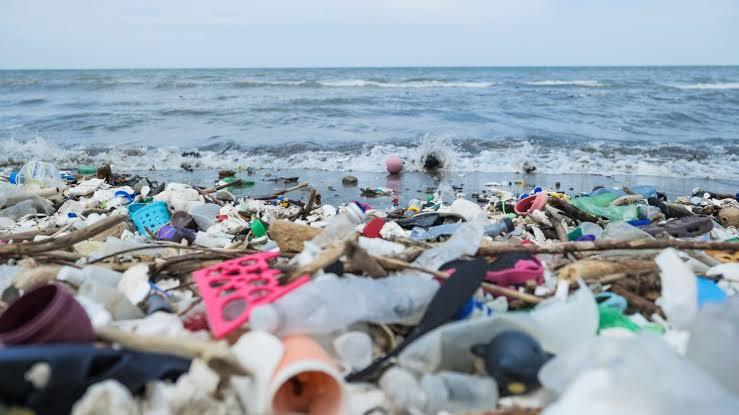
The statement said plastic pollution, which threatens the health of people, ecosystems, and economies, has reached critical levels, with an estimated 30,000 tonnes of plastic waste entering the ocean daily.
WWF warned that failing to deliver an ambitious treaty at INC-5.2 risks locking in a high-pollution future that will be far more costly and potentially irreversible.
The statement quoted Mr. Erin Simon, the Vice President and Head of Plastic Waste & Business, WWF, as saying that the treaty must be sealed as soon as possible.
“The speed at which the treaty went from conception to near completion is exactly what the planet needed, but it was never going to be without challenges.
“As we approach the final stretch, negotiators must remember why we’re here: Our planet is overwhelmed by plastic waste, and it’s impacting everything that calls this planet home.
A weak treaty is not an option.
“The world needs binding global rules to tackle plastic pollution at its root. Every day we delay makes this crisis more difficult and more dangerous to solve,” he said.
The statement noted that in spite of the strong momentum among a majority of countries, a small minority continues to stall the progress.
It said with consensus under strain, WWF urged negotiators to explore alternative procedural options that would ensure the treaty reflects the ambitious commitments made by the global community in March 2022.
“The WWF is calling for a treaty that includes: global bans on the most harmful plastic products and chemicals, mandatory product design requirements to enable a non-toxic, circular economy, and financial and technical support for developing countries, among others,” it said.
The statement said WWF emphasised the wide-reaching benefits of a strong treaty, including job creation, improved public health, reduced taxpayer burden, and enhanced global economic competitiveness.
“As the final round of talks begins, WWF reminds governments that the world is watching,” it said.
It noted that the decisions made in Geneva would shape the planet’s environmental and economic future for generations to come.