

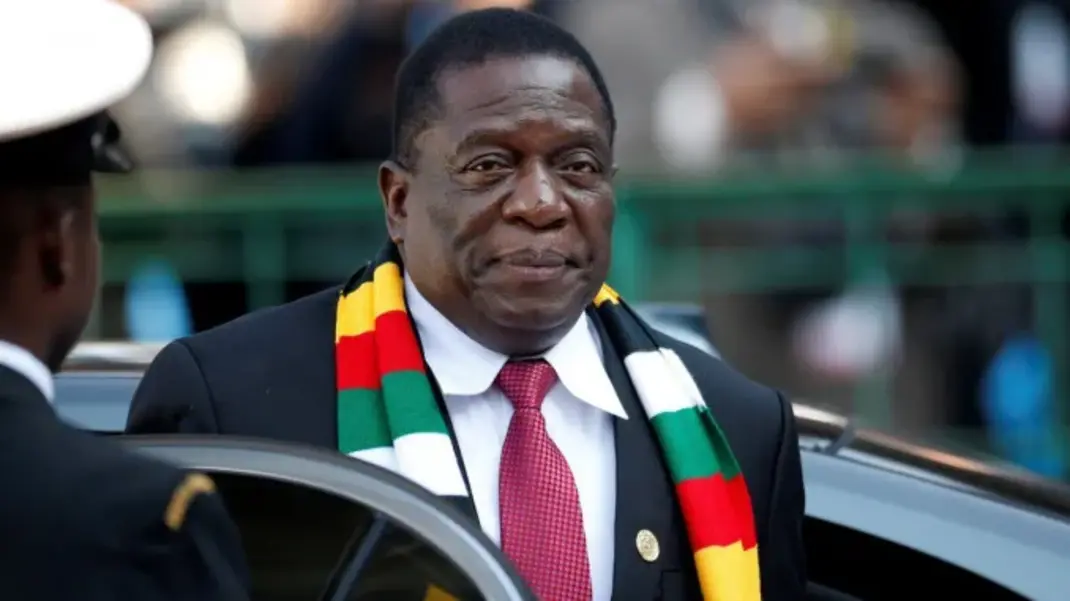
Zimbabwe’s cabinet has approved draft constitutional amendments that would allow President Emmerson Mnangagwa to remain in office until at least 2030 in a move that could fundamentally reshape the country’s political system and intensify debate over democratic governance.
The proposed legislation endorsement seeks to replace direct presidential elections with a system in which parliament selects the head of state.
It would also extend presidential terms from five to seven years, enabling leaders to serve two seven‑year terms instead of the current two five‑year terms.
If passed, the changes would permit Mnangagwa, 83, to stay in power beyond the end of his current term in 2028.
Justice Minister Ziyambi Ziyambi said the bill will undergo public consultations before being gazetted and tabled in parliament, where ZANU PF holds a commanding majority in both chambers.
However, legal experts and opposition figures insist that any change affecting presidential term limits must be subjected to a national referendum.
They also argue that constitutional amendments cannot benefit a sitting president, setting the stage for potential court challenges.
Mnangagwa came to power in 2017 after a military‑backed intervention removed long‑time ruler Robert Mugabe.
He won elections in 2018 and again in 2023 although both polls were disputed by the opposition.
Under the 2013 constitution, introduced after a national referendum, presidents are limited to two five‑year terms – a safeguard adopted when Mugabe’s decades‑long rule appeared unshakeable.
Speculation about Mnangagwa’s desire to extend his tenure began two years ago, when chants of “2030 he will still be the leader” surfaced at ZANU PF rallies.
Supporters argued he needed more time to complete his “Agenda 2030” development programme, though Mnangagwa publicly distanced himself from the slogan.
Internal resistance also emerged, most notably from party stalwart Blessed Geza, who sharply criticised any attempt to prolong Mnangagwa’s rule.
Civil society groups have also vowed to challenge the amendments domestically and through regional bodies.
AP